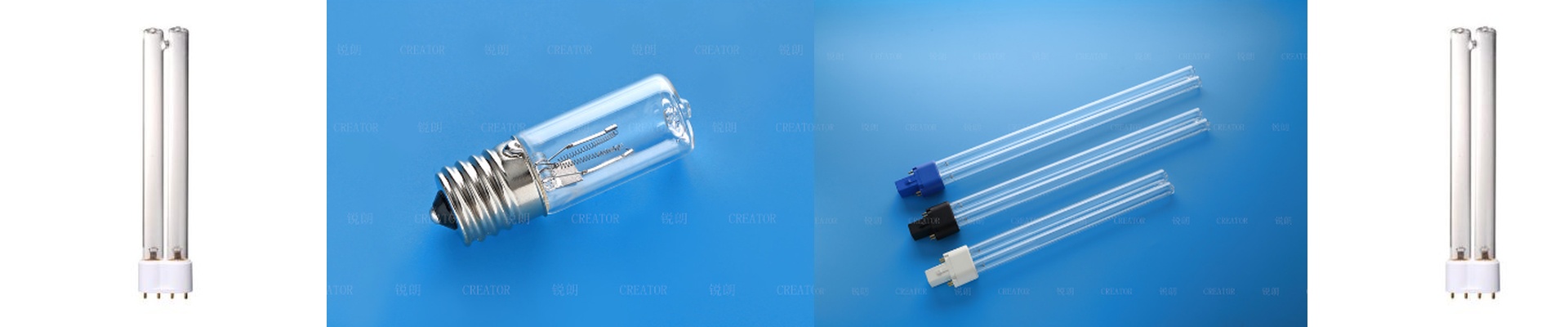
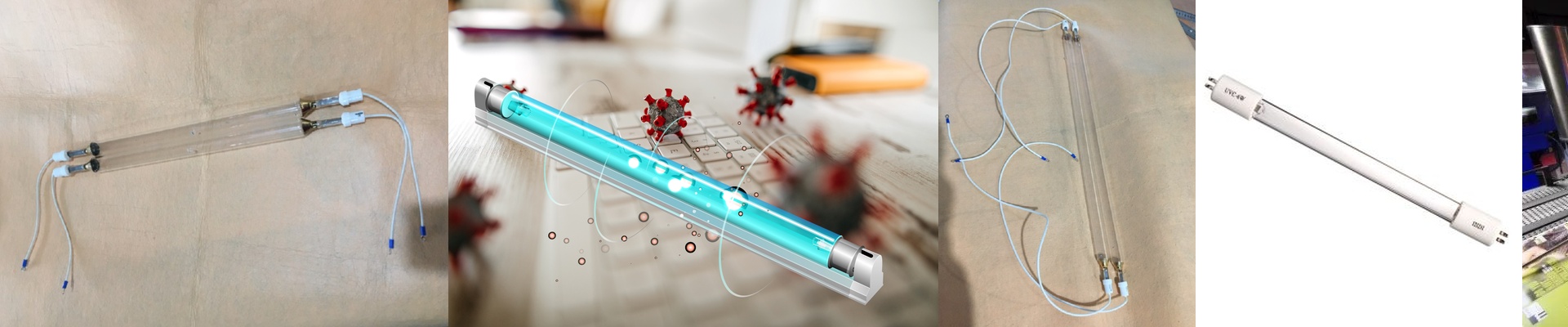
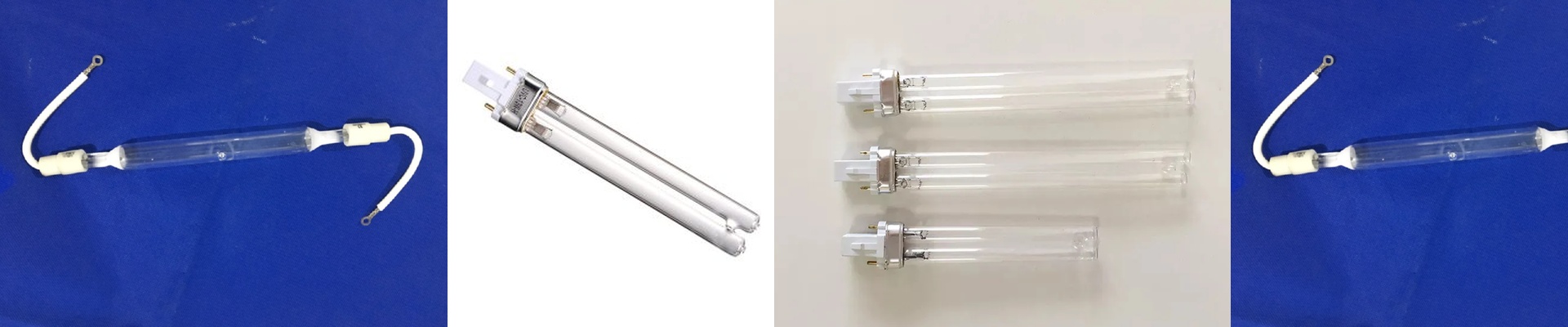
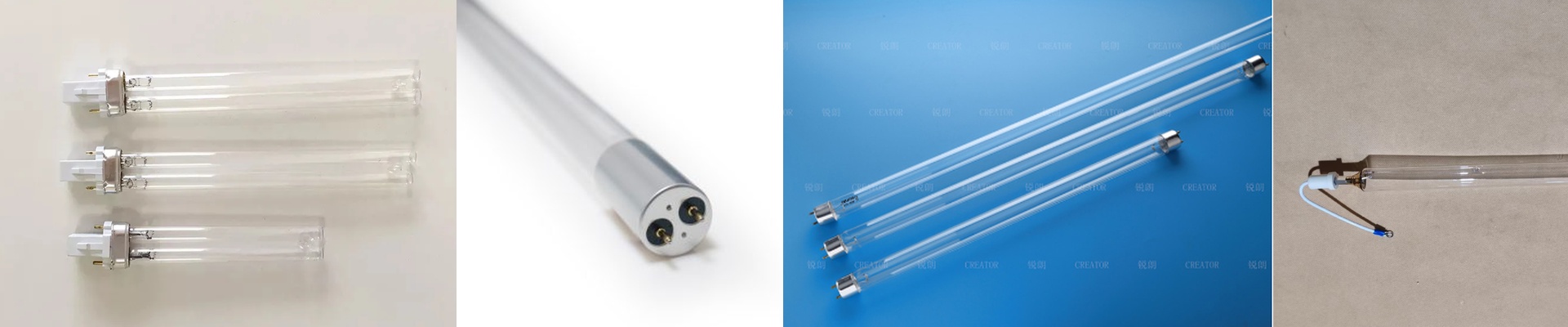
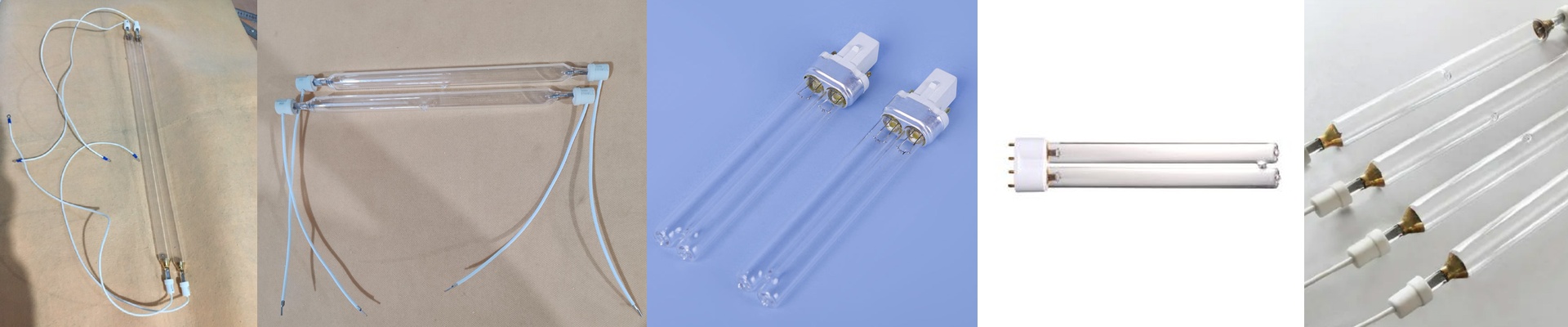
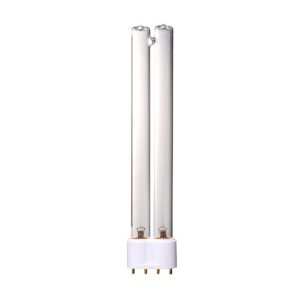
On heat-sensitive fabric lines, you’ve always been stuck with a lousy trade-off: crank up the mercury lamp to cure the ink, and the substrate warps. Our “cold source” UV germicidal lamp flips that equation. It delivers the curing energy with way less thermal load, so the fabric keeps its dimensional stability while the photoinitiators still cross-link. What actually matters under the hood It’s built around a high-pressure mercury vapor lamp, tuned for a stable spectral output centered on 365 nm. That wavelength lines up with the common UV ink photoinitiators, so you get a fast surface cure without over-penetrating the substrate. Peak irradiance stays consistent thanks to a dichroic-coated reflector and an ozone-free quartz envelope—energy goes forward, not wasted as heat. In production terms, that means steady mJ/cm² at the web, not spikes that scorch fibers. Why it works on textile lines For textile printers, the payoff is measurable. The lamp keeps substrate temperature rise low—enough to protect stretch fabrics, coated synthetics, and thin laminates from distortion, shrinkage, and edge curl. And curing stays repeatable job after job because output drift is limited; we see stable intensity over thousands of hours, which means fewer color shifts and less makeready. Energy use drops too, since the reflector and spectral control cut down on unnecessary broadband heating. The practical details you’ll want to nail This lamp is engineered for controlled integration. It needs a dedicated power supply matched to the arc characteristics and a reflector module aligned to the print width. If you run it outside the specified duty cycle, lamp life shortens and spectral variability creeps in. Set the lamp-to-web distance and dwell time around the ink’s required energy density, and double-check it plays clean with your printer’s lamp housing and cooling constraints.