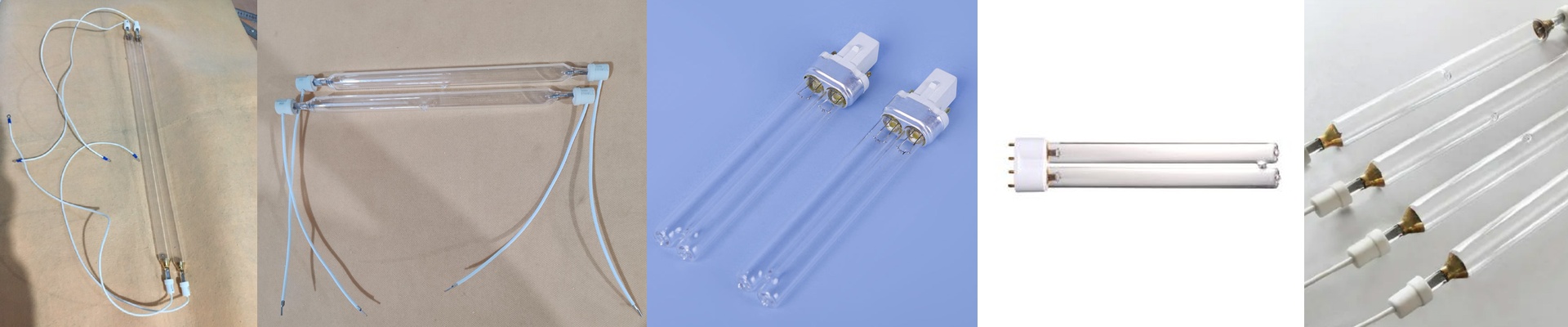
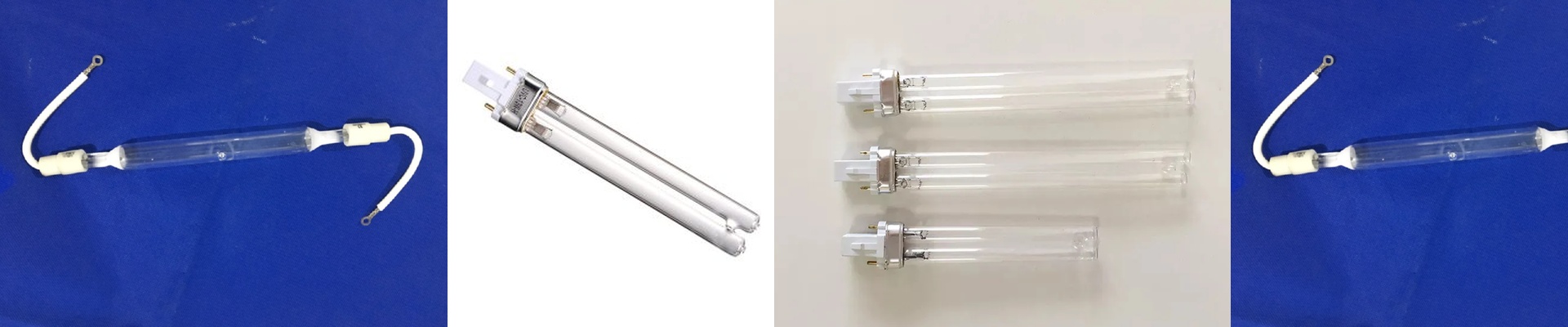
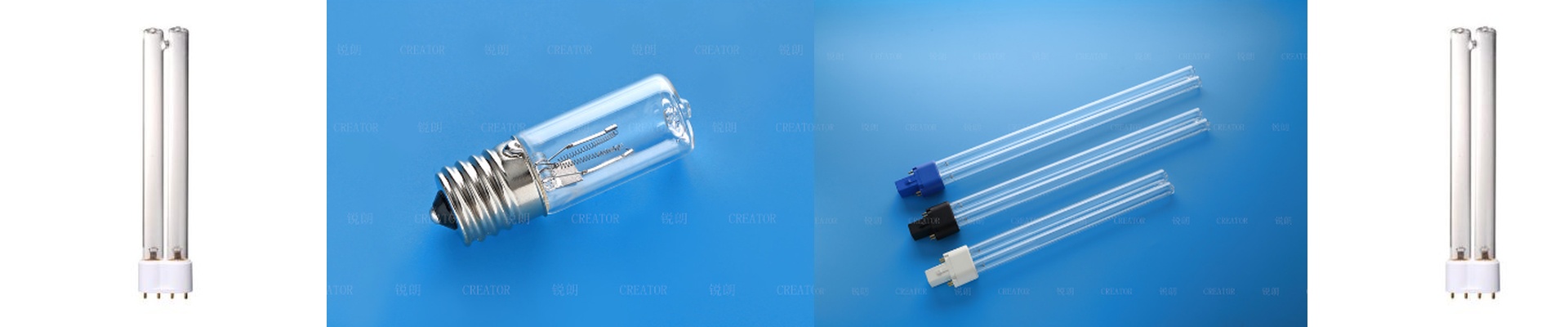
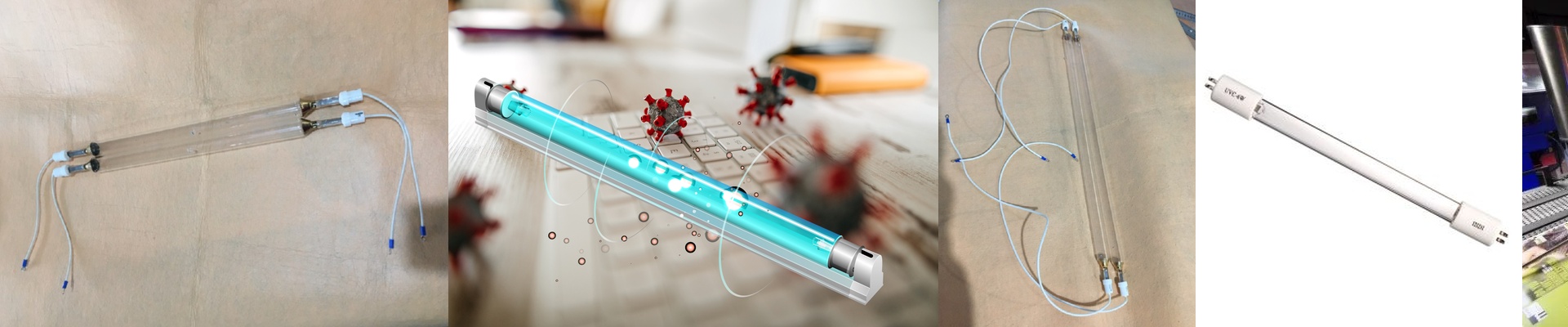
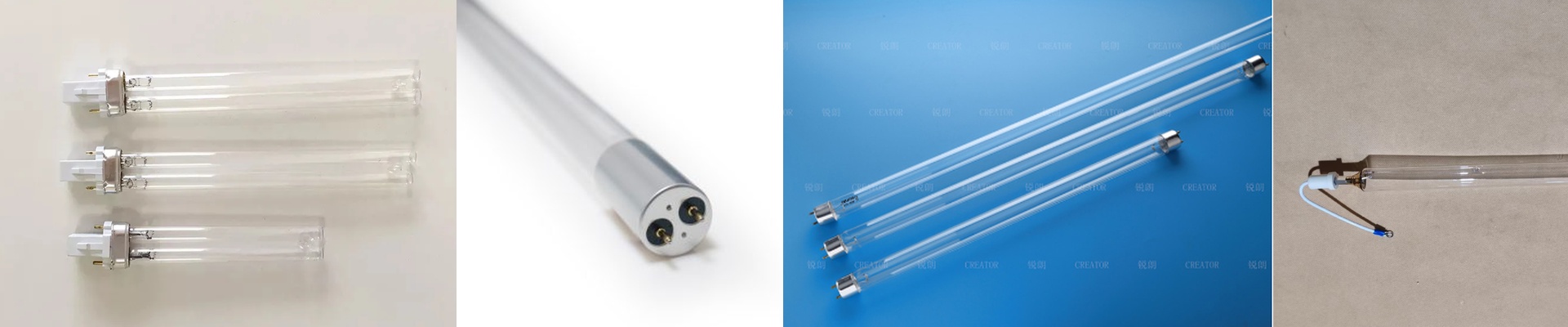
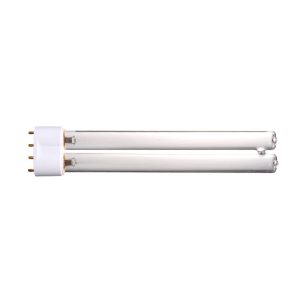
On the press floor, unstable UV output doesn’t just slow the line. It creates inconsistent cure—and then scrap. Heat is usually the root cause. If you’re not pulling the emitter’s thermal load off predictably, spectral output drifts, photoinitiator response goes all over the place, and lamp life collapses. We built our high-power gallium UV emitter around one simple idea: control temperature, and you control output. What matters under the hood Our gallium emitter is tuned for the 385–405 nm band, matched to the photoinitiator absorption you see in modern offset, flexo, and screen inks. It delivers stable peak irradiance above 12 W/cm²—enough energy density to drive deep cross-linking without cooking the substrate. The reflector uses a dichroic coating to bounce UV while letting IR pass, so heat doesn’t get re-radiated back onto the arc. Integrated cooling channels manage coolant flow and pressure drop, keeping junction temperature in a tight window. That thermal discipline holds spectral output within ±3% over the duty cycle, and the lamp maintains output for 5,000+ hours with less than 5% drop. Ozone-free operation keeps airflow and exhaust routing straightforward. Why it holds up in real presses In high-speed UV offset, the emitter has to hold output steady through repeated stops and starts. On wide-web flexo, it needs to cure uniformly across the full width—no hot spots. With thick-layer screen inks, it has to penetrate deep enough to cure all the way through. We engineered the emitter for these duty cycles and can match it to specific press widths and lamp housings. The payoff is consistent cure, fewer rejects, and maintenance you can plan around. Here is what you need to get right Matching the emitter to your press comes down to lamp length, arc gap, reflector geometry, and the existing coolant loop. Make sure your chiller can hold the required flow rate and temperature stability—without that, even the best emitter will drift. Confirm electrical compatibility too: the ballast and ignitor have to match the lamp’s voltage and current profile. And plan for reflector upkeep—dust and ink residue on the dichroic surface will cut irradiance and push operating temperature up.
در بخش چاپ، خروجی نامتعادل اشعه UV فقط باعث کندی خط تولید نمیشود. بلکه منجر به پخت ناقص و در نهایت ضایعات میگردد. حرارت معمولاً عامل اصلی این موضوع است. اگر بار حرارتی انتشاردهنده بهصورت پیشبینیشده دفع نشود، خروجی طیفی تغییر میکند، واکنش فوتواینیسیاتور ناپایدار میشود و عمر لامپ کاهش چشمگیری پیدا میکند. ما انتشاردهنده گالیم با توان بالا و فرابنفش خود را بر اساس یک اصل ساده ساختهایم: کنترل دما، یعنی کنترل خروجی. آنچه در اعماق دستگاه اهمیت دارد انتشاردهنده گالیم ما برای باند طول موج 385–405 nm تنظیم شده است که با جذب فوتواینیسیاتور در جوهرهای مدرن افست، فلکسو و اسکرین هماهنگ است. این دستگاه تابش اوج پایداری بالاتر از 12 W/cm² ارائه میدهد؛ انرژی کافی برای ایجاد پیوندهای عمقی بدون آسیب زدن به زیرلایه. بازتابنده با استفاده از پوشش دایکرویک، پرتوهای UV را بازتاب میدهد و در عین حال اجازه عبور IR را میدهد، تا حرارت به قوس بازتاب نیابد. کانالهای خنککننده مجتمع، جریان خنککننده و کاهش فشار را کنترل میکنند تا دمای محل اتصال در محدوده ثابتی حفظ شود. این کنترل حرارتی باعث میشود که خروجی طیفی در طی چرخه کاری در محدوده ±3% باقی بماند و عمر لامپ بالای 5,000 ساعت با افت کمتر از 5% حفظ شود. عملکرد بدون ازن، مسیر تهویه و جریان هوا را ساده نگه میدارد. چرا در چاپگرهای واقعی پایدار میماند در چاپ افست UV با سرعت بالا، انتشاردهنده باید خروجی را در توقفها و شروعهای مکرر بهصورت ثابت نگه دارد. در فلکسو با وب پهن، باید پوشش یکنواخت در عرض کامل داشته باشد و نقطههای داغ ایجاد نشود. در جوهرهای اسکرین با لایه ضخیم، باید به اندازه کافی نفوذ کند تا کاملاً پخته شود. ما انتشاردهنده را برای این چرخههای کاری طراحی کردهایم و میتوانیم آن را با عرض ماشین چاپ و محفظه لامپ خاص تطبیق دهیم. نتیجه پخت یکنواخت، کاهش ضایعات و امکان برنامهریزی برای تعمیرات است. نکاتی که باید درست انجام دهید تنظیم انتشاردهنده با چاپگر شما بستگی به طول لامپ، فاصله قوس، هندسه بازتابنده و حلقه خنککننده موجود دارد. مطمئن شوید چیلر شما قادر است نرخ جریان و پایداری دمای مورد نیاز را تأمین کند—بدون این شرایط، حتی بهترین انتشاردهنده هم دچار نوسان خواهد شد. سازگاری الکتریکی را نیز تأیید کنید: بالاست و ایگنایتور باید با ولتاژ و جریان لامپ هماهنگ باشند. همچنین برای نگهداری بازتابنده برنامهریزی کنید—گرد و غبار و باقیمانده جوهر روی سطح دایکرویک تابش را کاهش میدهد و دمای عملکرد را افزایش خواهد داد.