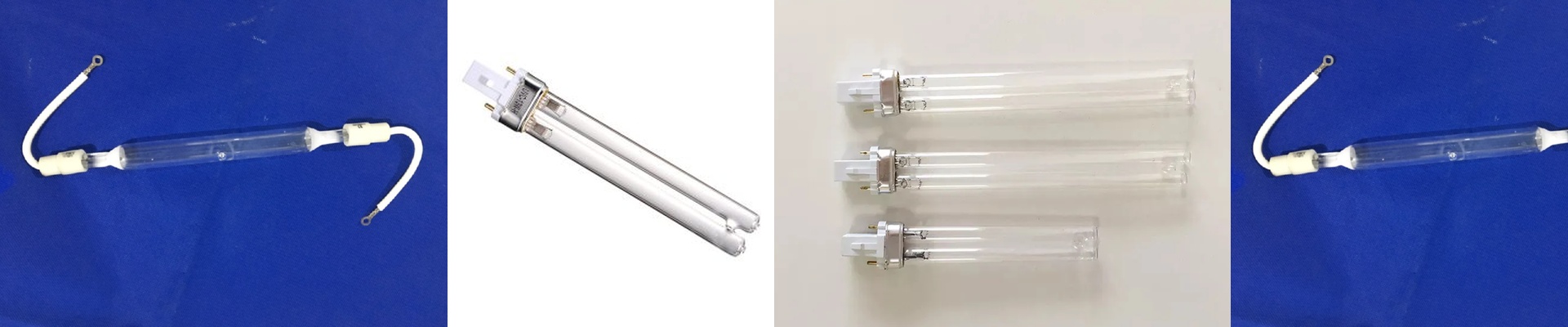
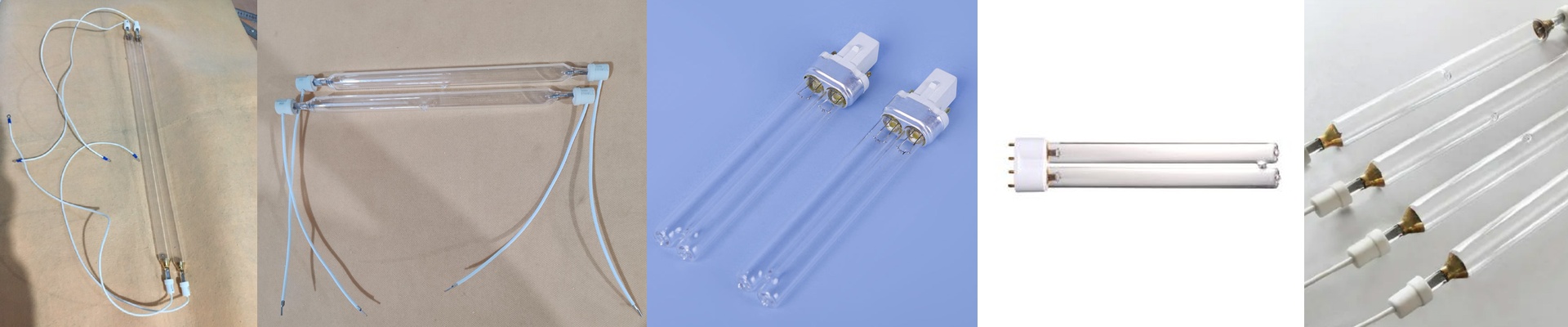
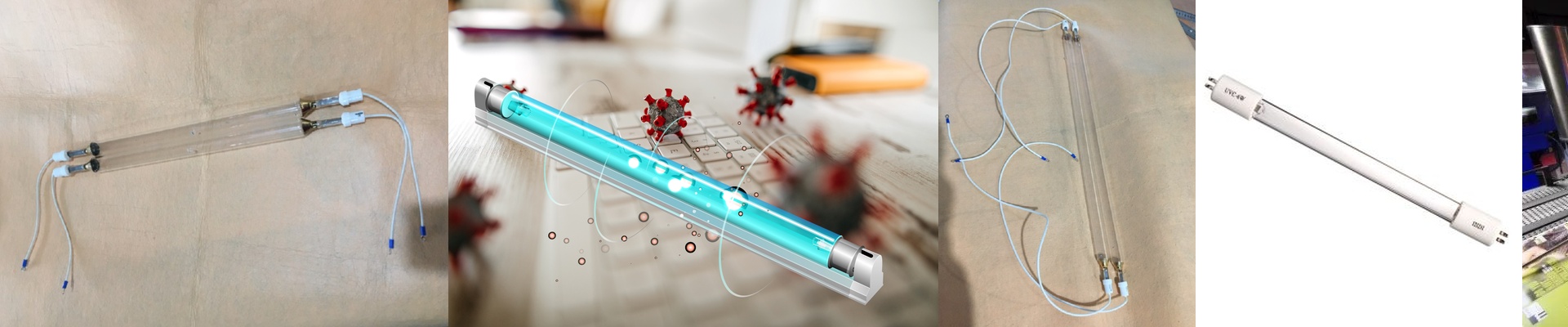
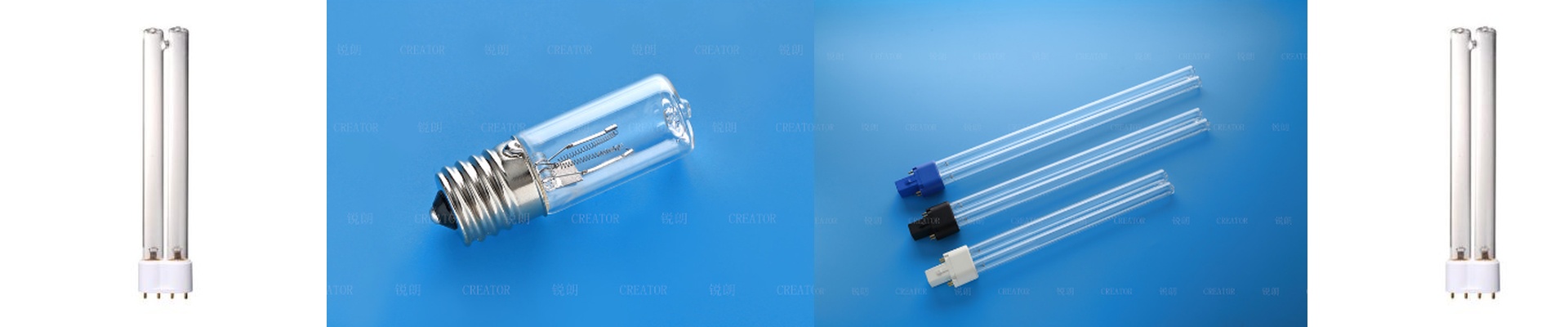
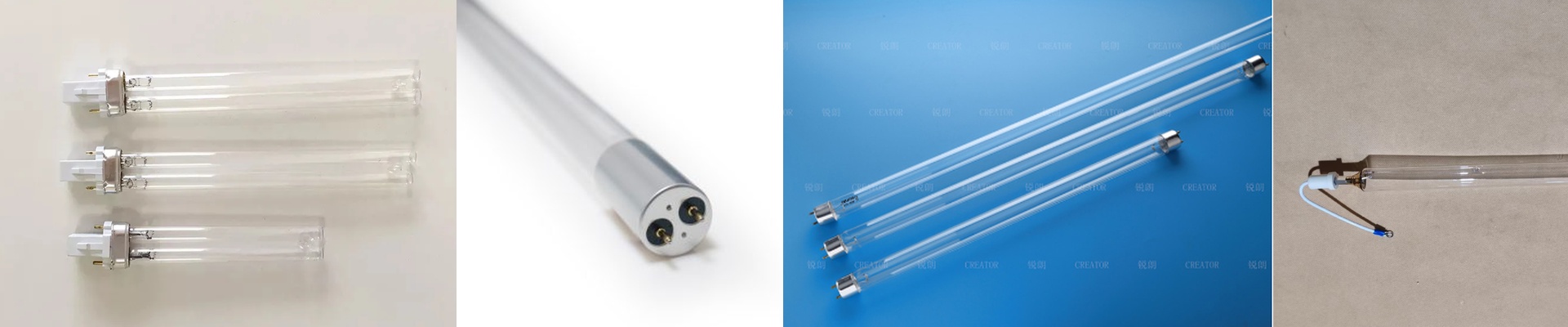
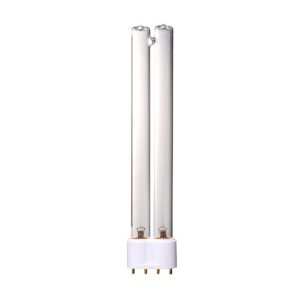
On heat-sensitive fabric lines, you’ve always been stuck with a lousy trade-off: crank up the mercury lamp to cure the ink, and the substrate warps. Our “cold source” UV germicidal lamp flips that equation. It delivers the curing energy with way less thermal load, so the fabric keeps its dimensional stability while the photoinitiators still cross-link.
What actually matters under the hood
It’s built around a high-pressure mercury vapor lamp, tuned for a stable spectral output centered on 365 nm. That wavelength lines up with the common UV ink photoinitiators, so you get a fast surface cure without over-penetrating the substrate. Peak irradiance stays consistent thanks to a dichroic-coated reflector and an ozone-free quartz envelope—energy goes forward, not wasted as heat. In production terms, that means steady mJ/cm² at the web, not spikes that scorch fibers.
Why it works on textile lines
For textile printers, the payoff is measurable. The lamp keeps substrate temperature rise low—enough to protect stretch fabrics, coated synthetics, and thin laminates from distortion, shrinkage, and edge curl. And curing stays repeatable job after job because output drift is limited; we see stable intensity over thousands of hours, which means fewer color shifts and less makeready. Energy use drops too, since the reflector and spectral control cut down on unnecessary broadband heating.
The practical details you’ll want to nail
This lamp is engineered for controlled integration. It needs a dedicated power supply matched to the arc characteristics and a reflector module aligned to the print width. If you run it outside the specified duty cycle, lamp life shortens and spectral variability creeps in. Set the lamp-to-web distance and dwell time around the ink’s required energy density, and double-check it plays clean with your printer’s lamp housing and cooling constraints.
ในสายการผลิตผ้าชนิดไวต่อความร้อน คุณมักต้องเผชิญกับทางเลือกที่ไม่ดี: เพิ่มความแรงของหลอดไฟปรอทเพื่อให้หมึกเซตตัว แต่ทำให้วัสดุรองรับบิดงอได้ง่าย หลอด UV ฆ่าเชื้อ “cold source” ของเรากลับคำตอบนี้ โดยให้พลังงานการเซตตัวด้วยภาระความร้อนที่ต่ำลงมาก ทำให้ผ้ารักษาความคงรูปได้ ในขณะที่ photoinitiator ยังคงเกิดปฏิกิริยา cross-link ได้
สิ่งที่สำคัญจริงๆ ภายในระบบ
หลอดนี้ถูกออกแบบบนพื้นฐานของหลอดไอปรอทความดันสูง ปรับค่าความยาวคลื่นให้ออกมาคงที่ที่ 365 nm ความยาวคลื่นนี้ตรงกับ photoinitiator ของหมึก UV ทั่วไป ทำให้เกิดการเซตตัวบนผิวได้รวดเร็วโดยไม่ทะลุทะลวงวัสดุรองรับมากเกินไป ความเข้มของรังสีสูงสุดคงที่เนื่องจากใช้ตัวสะท้อนเคลือบ dichroic และซองหุ้มควอตซ์ที่ปราศจากโอโซน—พลังงานจะถูกส่งไปข้างหน้า ไม่สูญเสียเป็นความร้อน ในเชิงการผลิตหมายความว่าค่าพลังงาน mJ/cm² ที่ผืนผ้าคงที่ ไม่เกิดการพุ่งสูงจนทำให้เส้นใยไหม้
เหตุผลที่ใช้งานได้ดีในสายการพิมพ์ผ้า
สำหรับเครื่องพิมพ์ผ้า ผลลัพธ์สามารถวัดได้จริง หลอดไฟช่วยควบคุมการเพิ่มขึ้นของอุณหภูมิวัสดุรองรับให้น้อยพอที่จะปกป้องผ้ายืด ผ้าเคลือบสังเคราะห์ และแผ่นบางจากการบิดเบี้ยว หดตัว หรือขอบม้วนงอ และการเซตตัวยังทำซ้ำได้อย่างสม่ำเสมอในแต่ละงานเพราะการเปลี่ยนแปลงของกำลังแสงถูกควบคุมอย่างจำกัด เราพบว่าแสงคงที่ในระยะเวลาหลายพันชั่วโมง ซึ่งหมายถึงการเปลี่ยนสีลดลงและเวลาตั้งค่าเครื่องน้อยลง การใช้พลังงานก็น้อยลงเช่นกัน เพราะตัวสะท้อนและการควบคุมสเปกตรัมช่วยลดความร้อนกว้างที่ไม่จำเป็น
รายละเอียดเชิงปฏิบัติที่ต้องควบคุมให้แม่นยำ
หลอดนี้ถูกออกแบบให้ผสานเข้ากับระบบอย่างมีการควบคุม ต้องใช้แหล่งจ่ายไฟเฉพาะที่เหมาะสมกับลักษณะของอาร์คไฟ และโมดูลตัวสะท้อนที่ปรับเข้ากับความกว้างการพิมพ์ หากใช้งานเกินรอบเวลาที่กำหนด ชีวิตหลอดจะสั้นลงและความแปรผันของสเปกตรัมจะเข้ามา หากตั้งระยะห่างหลอดถึงผืนผ้าและเวลาจับให้อยู่ในระดับพลังงานที่หมึกต้องการ และตรวจสอบให้แน่ใจว่าหลอดทำงานเข้ากันได้ดีกับตัวครอบหลอดและระบบระบายความร้อนของเครื่องพิมพ์ของคุณแล้ว จะช่วยให้ระบบทำงานได้ตามที่ออกแบบไว้อย่างมีประสิทธิภาพสูงสุด