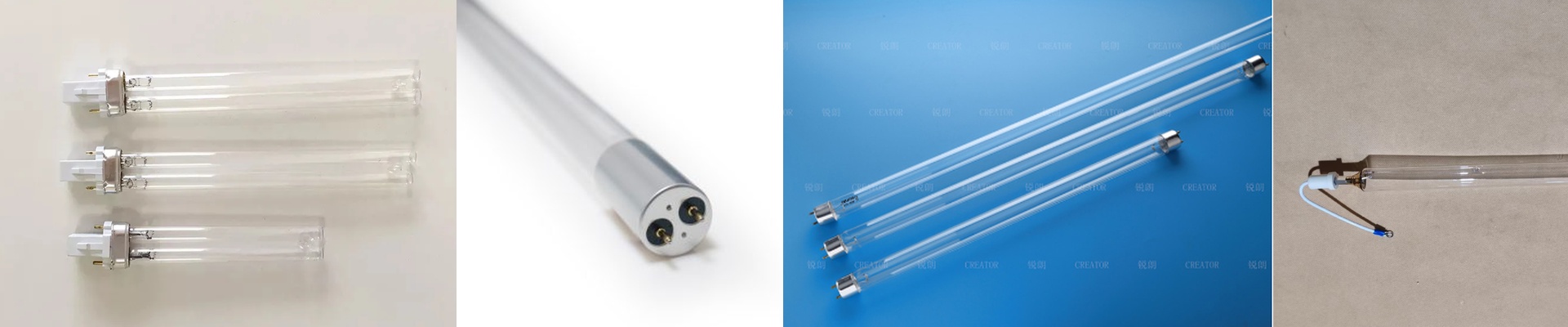
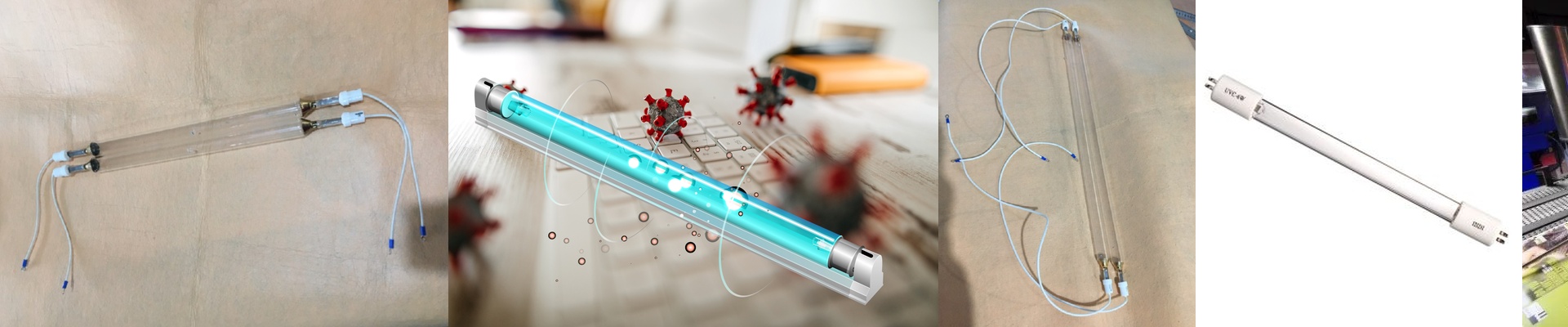
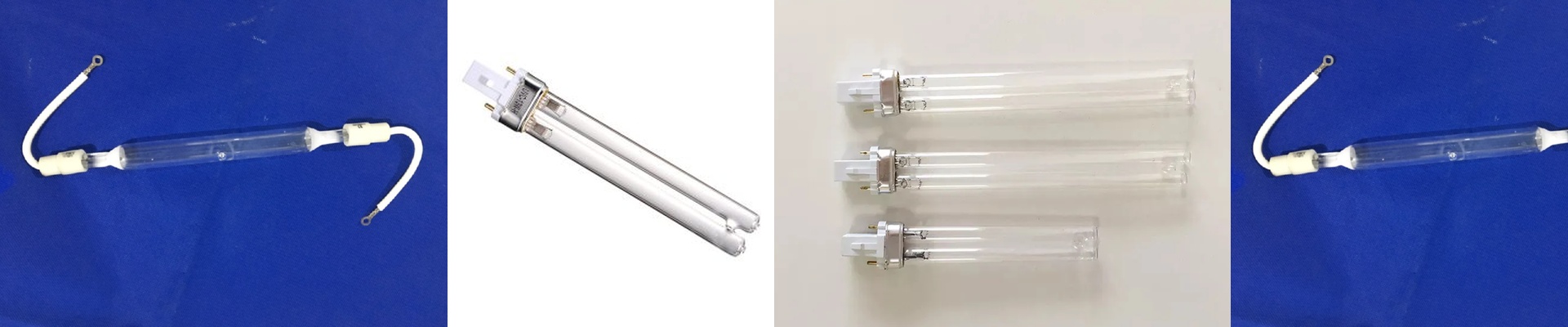
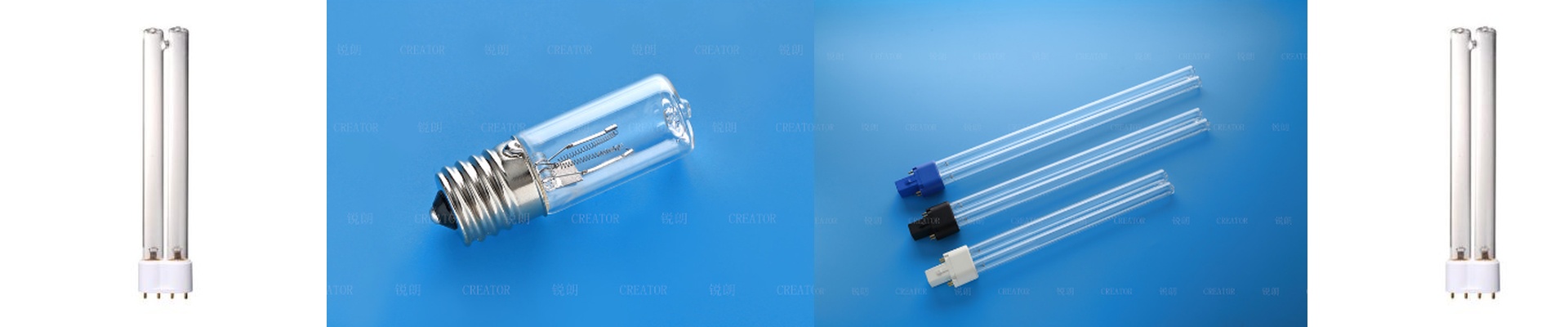
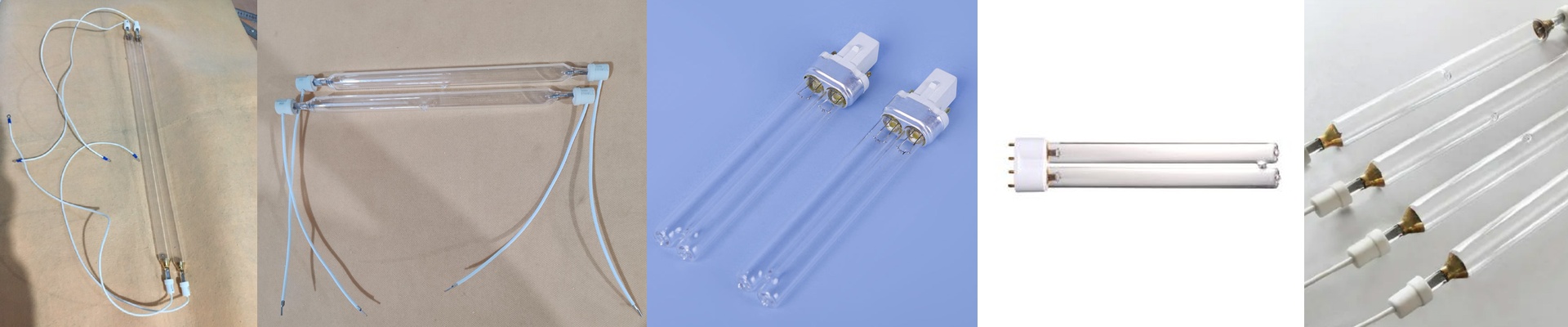
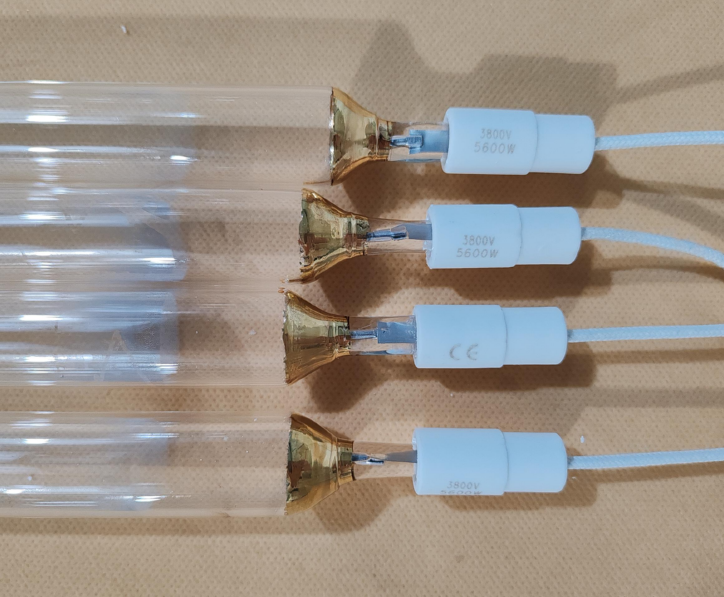
On the press, downtime is measured in wasted substrate and blown delivery windows. When the UV lamp goes down, the line stops—plain and simple. Here’s the fix: a modular lamp setup with a quick-swap connector that gets a failed lamp swapped in two minutes, not two hours. No tools. No realignment. No wrestling the reflector out. Pull the old module, seat the new one, and you’re back in curing. What matters technically We run a high-pressure mercury vapor lamp behind a precision dichroic reflector, so the spectral output stays stable with the peak centered at 365 nm and the full-width half-maximum kept tight. Peak irradiance at the substrate hits 12 W/cm², which clears doses above 800 mJ/cm² when you’re running fast-cure formulations. The lamp runs at 300 W/cm, uses ozone-free quartz envelopes, and the reflector geometry holds the focus to a 25 mm band. That keeps heat off everything outside the cure zone. You can plan on 5,000+ hours of service life, with less than 5% drop in UV-A output—measured on a calibrated spectral radiometer. Why it holds up on the floor The quick-change interface is built for real life: keyed connectors, positive locking, and polarity-protected leads. No guesswork. When you swap the lamp, the reflector stays put, so intensity and spot profile don’t drift run-to-run. That means fewer rejects from under-cure and fewer operator call-backs. The press keeps moving, ink adhesion stays consistent, and the finish comes out the way it should—without compounding stoppage costs. The details that keep it working Match the module to the fixture. The connector footprint is standardized, but mounting rails and aperture sizes still vary by OEM. Before you install, confirm lamp arc length, reflector focal distance, and ballast compatibility on the power supply. Treat the quartz envelope like the consumable it is: keep it clean, don’t let solvents touch it, and give it a 30-second cooldown before you handle it. Output stays stable only when lamp temperature and airflow sit inside the design window. Push outside that, and spectral balance drifts—curing performance falls off fast.