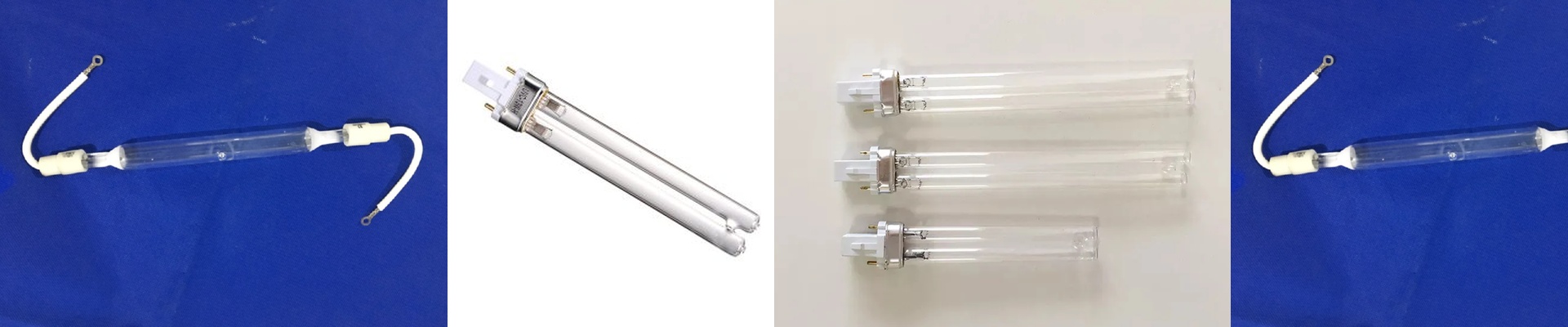
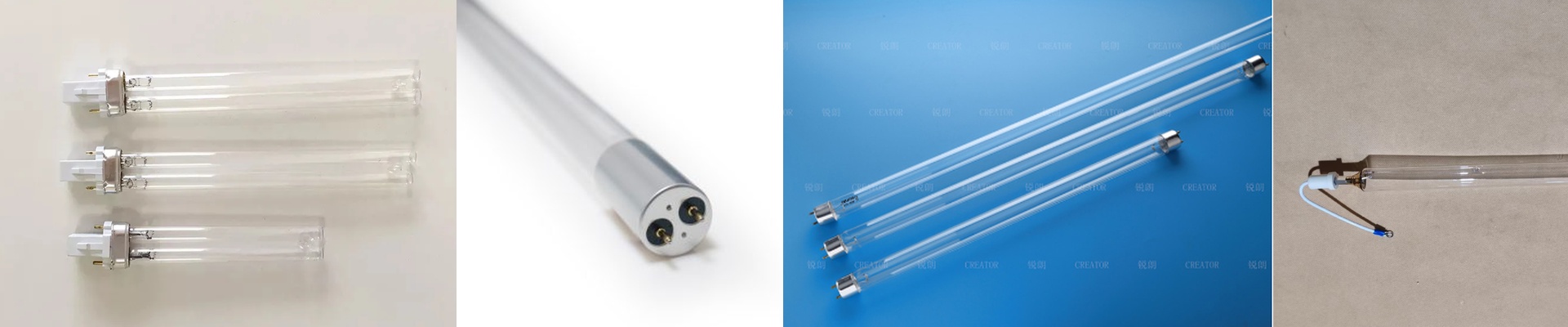
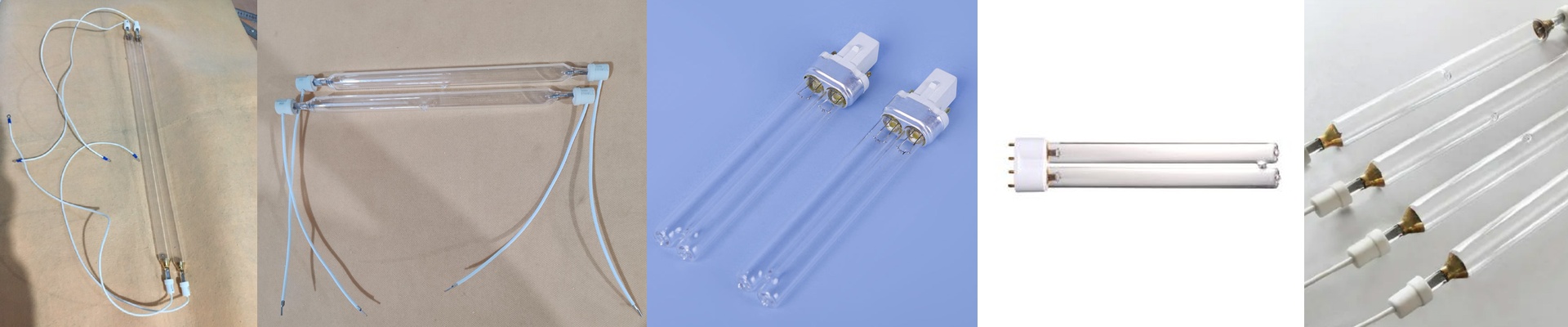
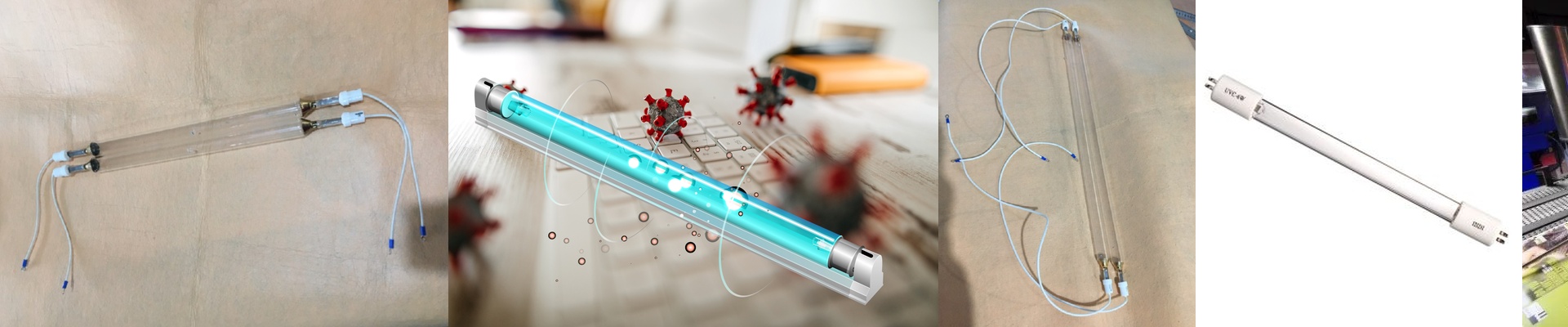
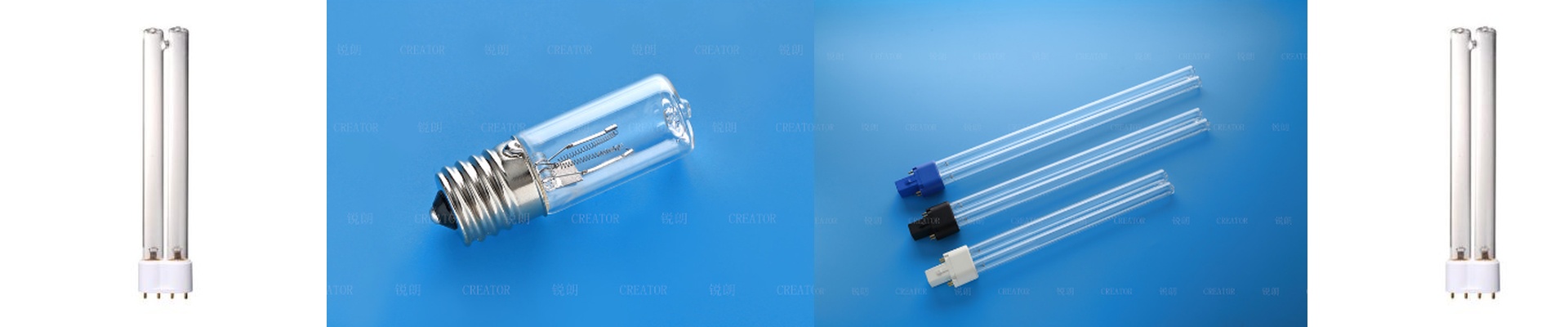
We build quartz lamps that crank out serious heat—the kind you need when your process has to get hot, fast, and stay exactly where you want it. And we’re honest about what makes them work: the choice between mercury and metal halide fills isn’t just a technical detail. It’s the difference between hitting one precise wavelength and spreading the heat more evenly across the surface. Here’s the heart of it These lamps are compact—about 300mm long—so they slip into tight spots on your machinery without a fight. They run at 400V and pull serious wattage, often around 2500W, which is exactly what it takes to deliver that concentrated burst of radiant energy. That power comes with responsibility. You need a ballast that can truly handle it, and solid electrical isolation. But when it’s set up right? The payoff is clean, controllable heat that keeps up with high-speed work. What they’re made of, and why it matters The body is high-purity quartz, and that choice isn’t accidental. It handles sudden temperature shifts without cracking, and it transmits UV and IR the way these processes demand. Inside, a specialized halogen cycle keeps everything clean—no blackening, no drop-off in output over time. And the R7s double-ended connector? It’s rigid, dependable, and makes installation feel straightforward. In most setups, it’s a simple drop-in replacement. Mercury vs. metal halide: pick the right tool for the job Mercury lamps give you a sharp, focused spectral output. That’s ideal when you need a very specific wavelength—think adhesive curing or plastic welding, where absorption has to line up just right. Metal halide lamps, on the other hand, widen the spectrum. The result is more uniform heating across the target, which can be exactly what you want for consistent coverage. So you’re not stuck working around the lamp. You choose the lamp to match the material and the process. One practical note: with this kind of watt density, you’ll want cooling that’s up to the task. The lamp delivers the heat, but you’ve got to manage the ambient heat around the equipment. Get that right, and the whole system runs with confidence—hot where it needs to be, and controlled everywhere else.