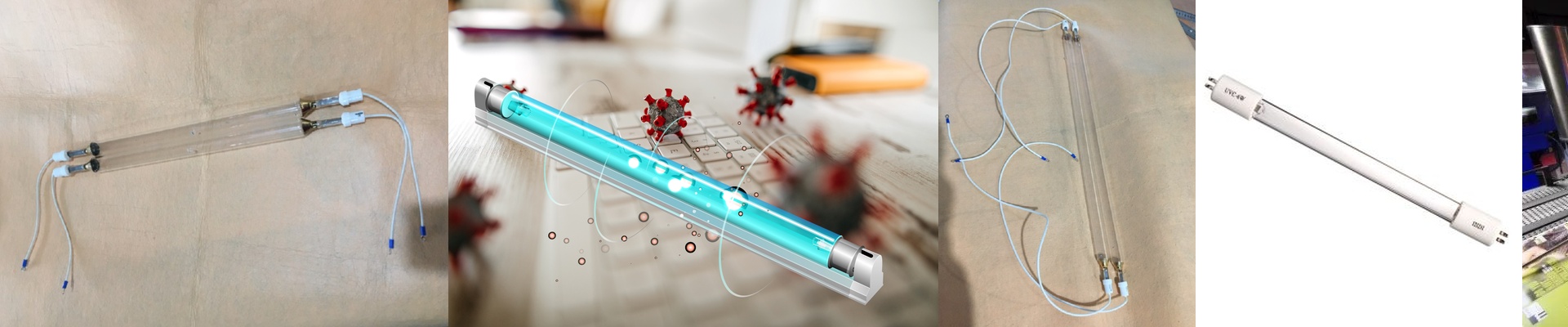
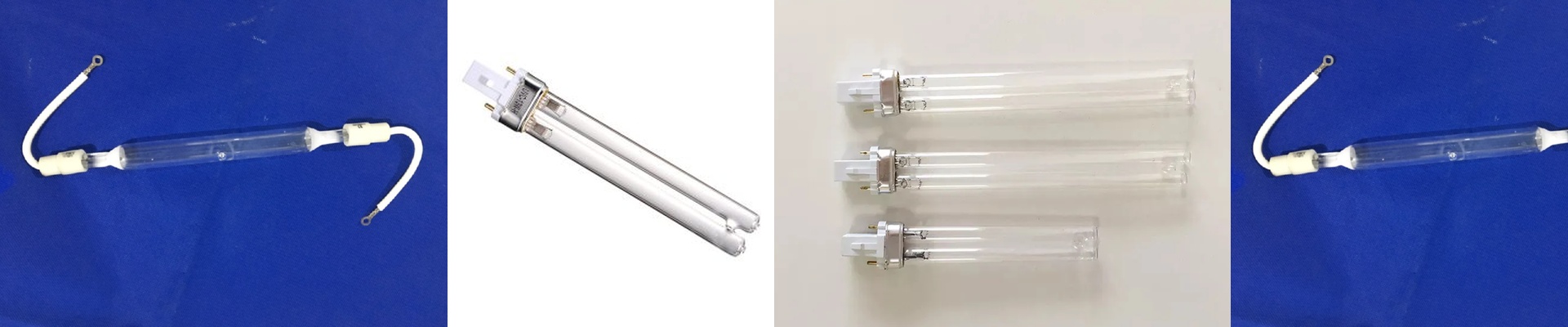
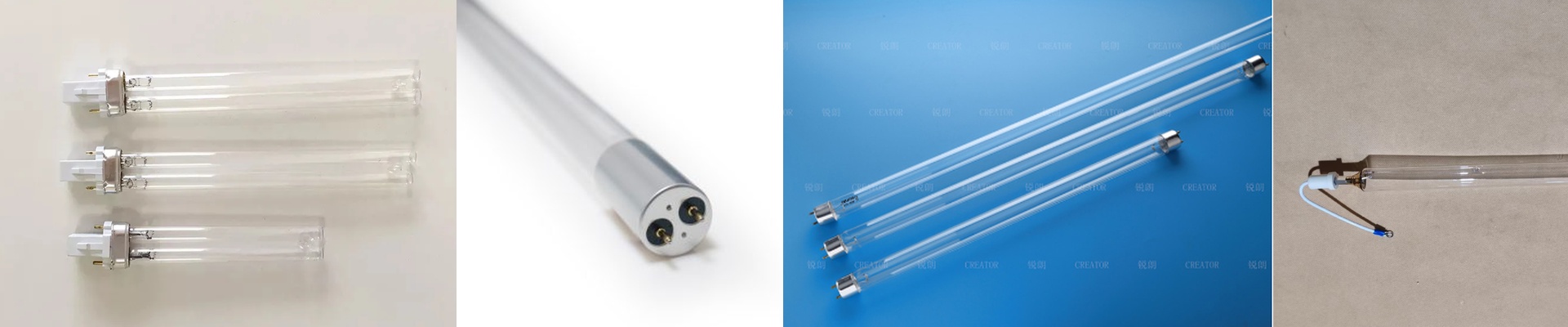
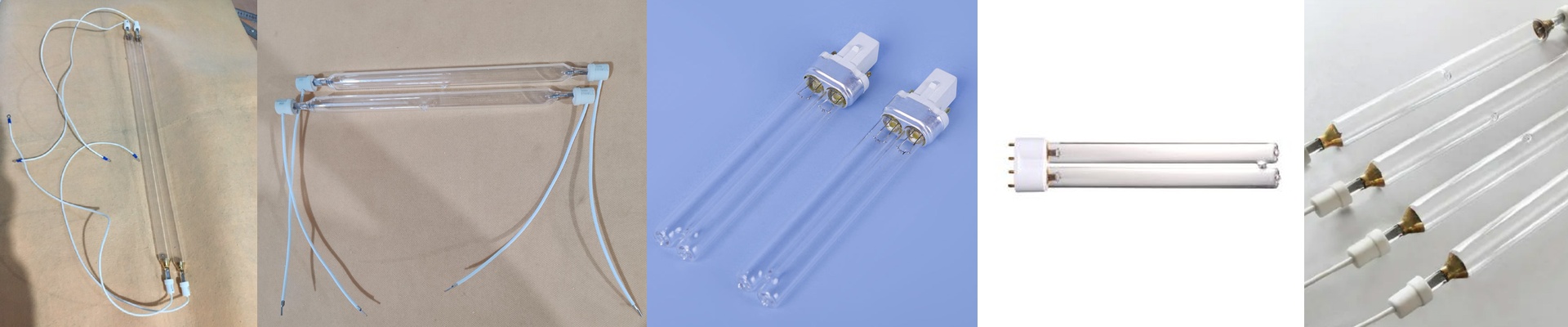
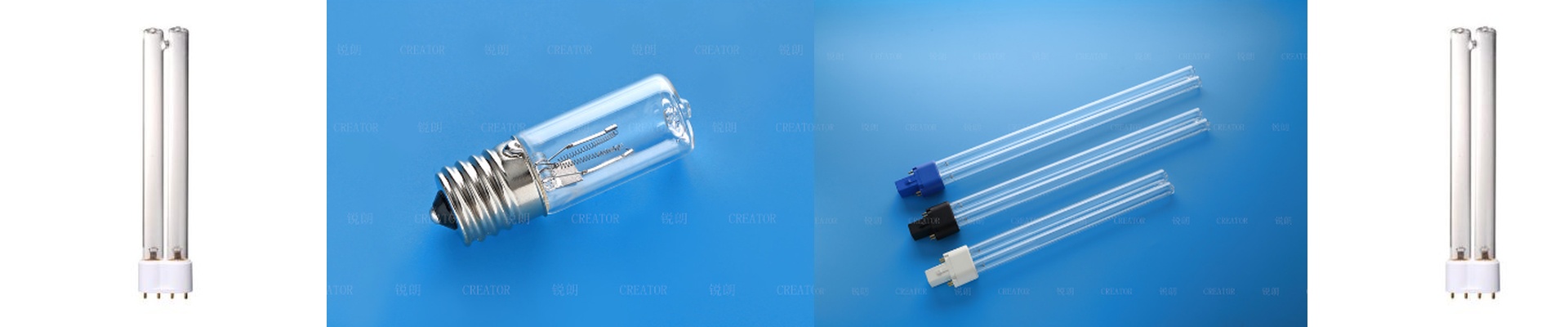
On the art-tile line, inkjet graphics need a finish that looks and feels like fired glaze—high gloss, rock-hard, and chemical resistant. That finish isn’t a topcoat; it’s UV energy driving cross-linking. When the lamp doesn’t pull its weight, you get tack, weak solvent resistance, and a dull, patchy sheen that doesn’t pass inspection. What matters, technically We run an ozone-producing high-pressure mercury vapor lamp because it delivers the 200–400 nm spectral punch we need, with strong output at 365 nm to break down the photoinitiator and kick off rapid cross-linking. Peak irradiance at the substrate has to clear the ink’s initiation threshold, and we measure delivered energy density in mJ/cm² to make sure the cure goes all the way through the pigmented layer—not just skin-deep. The quartz envelope and the dichroic-coated reflector are matched to keep spectral stability and uniformity across the full print width. Why it fits this job Art-tile UV inks are built for a glass-like cure profile. The 365 nm output drives higher cross-linking density, so you get a surface that can be polished to a glaze-like gloss and stands up to scratches and common household solvents. The lamp’s high-intensity profile shortens dwell, so you can run higher line speeds without cooking the substrate. In practice, that means consistent hardness tile to tile, with fewer rejects from under-cure. Here are the things you’ve got to keep an eye on. Ozone is a byproduct of this spectral output, so the curing zone needs solid extraction and ozone decomposition filtration. Lamp output drops as hours accumulate; keep a scheduled radiometer check on the books and replace at end-of-life thresholds to hold energy density in spec. And confirm lamp length, arc gap, and reflector geometry against your printer’s UV module footprint—otherwise you’ll fight hot and cold bands across the web.