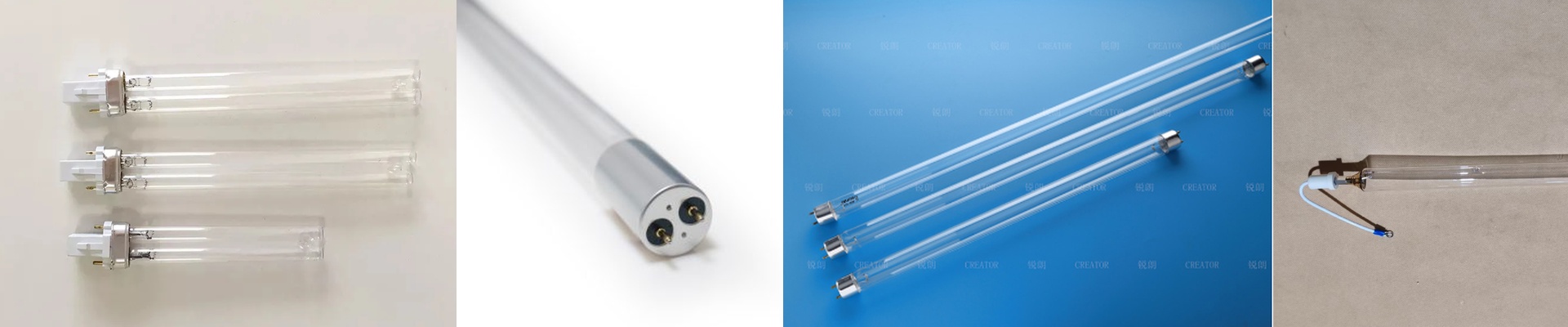
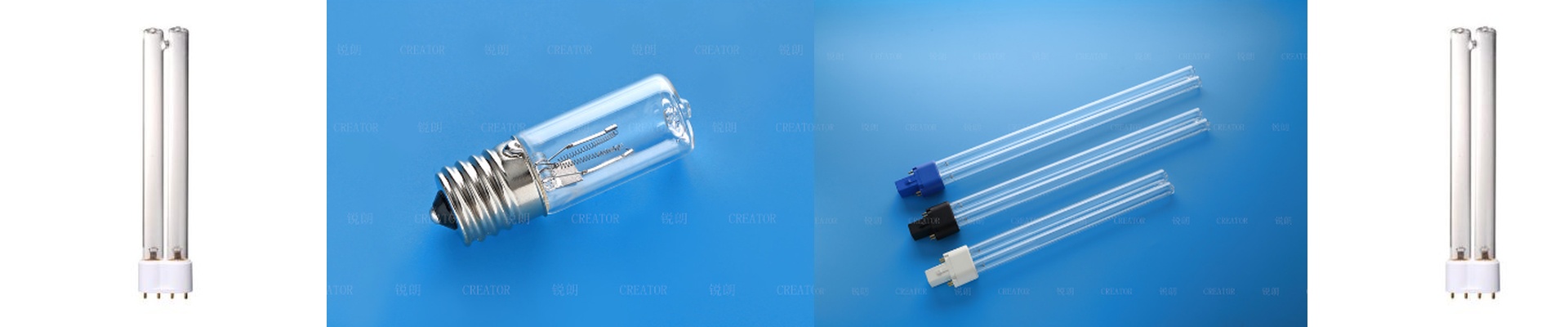
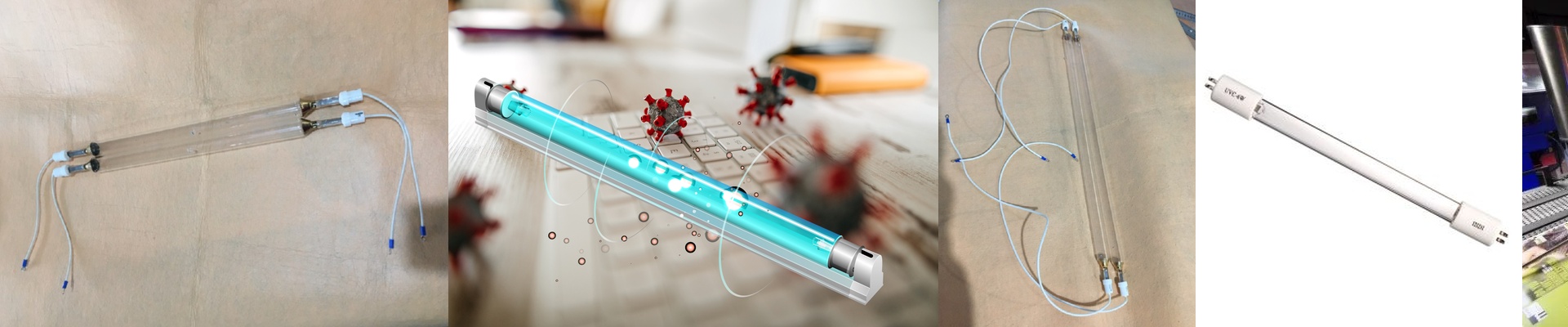
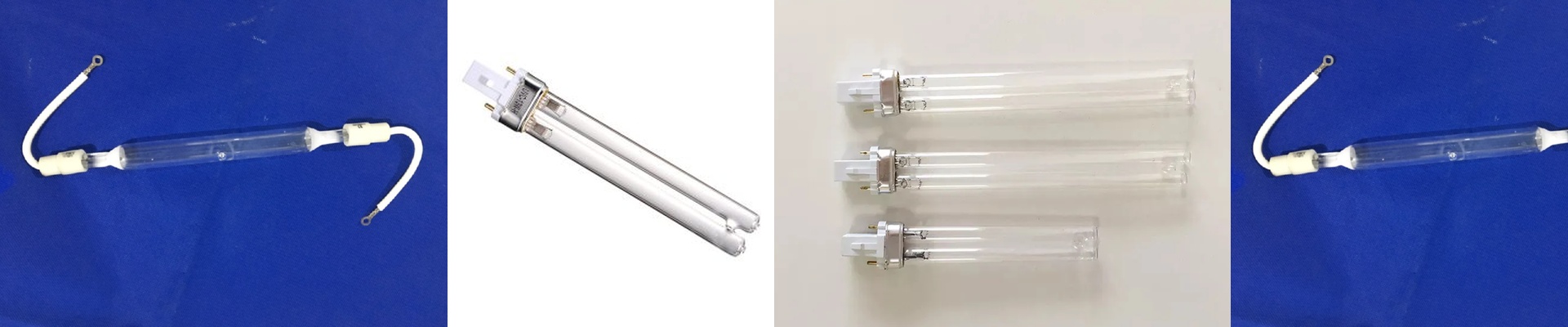
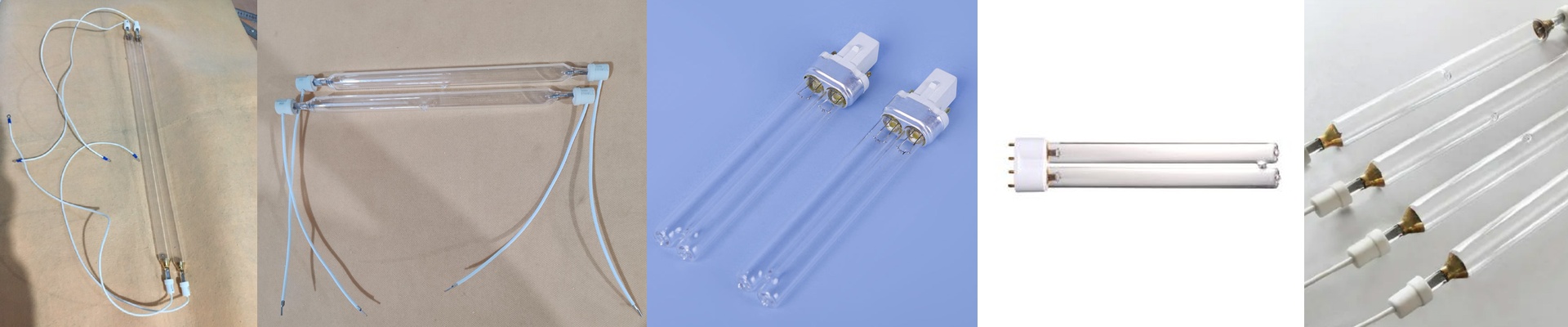
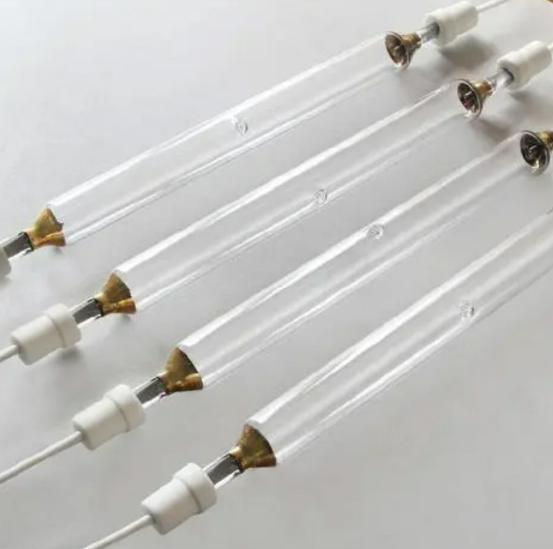
The Secret Behind Cold Cathode UV Technology
Let me tell you how we built our Cold Cathode UV Germicidal Lamp. It’s a straight-up solution for industrial disinfection, designed to take down microbes on delicate stuff—like printed fabrics. Here’s the thing about it. Unlike standard hot cathode lamps, ours uses high voltage to spark the discharge. No preheating. None at all. That means it hits full power the second you flip the switch. And when you’re on a high-speed production line where every second counts, that instant response is everything. It keeps things moving, and it keeps your output stable without the thermal cycling that can wreck fragile materials.
What It’s Built From, and Why It Matters
The heart of the lamp is high-purity quartz glass. We chose it specifically because it transmits that 254nm UV-C wavelength as efficiently as possible. This material keeps its cool under constant use, so you don’t lose output or risk the whole thing falling apart. Inside, we’ve got a precisely calibrated amalgam coating. Its job is to stabilize the plasma, which gives you rock-solid germicidal performance over the life of the lamp. And for installation? We went with the R7s connector. It’s simple, tough, and handles the high-voltage demands without arcing. You can drop it straight into your existing fixtures and know it’s going to work.
How It Performs in the Real World
In the textile industry, this lamp setup makes sure every inch of printed fabric gets sterilized without damaging the ink or the fibers. The instant-on feature keeps production flowing, and the focused UV output wipes out the microbes that cause quality issues and bad smells. It packs a lot of power into a small footprint. But here’s the trade-off: it generates heat. A lot of it. That means your cooling system has to be up to the task. If you don’t manage the ambient temperature, you risk overheating the lamp and shortening its life. We give you all the specs you need to get the cooling right.