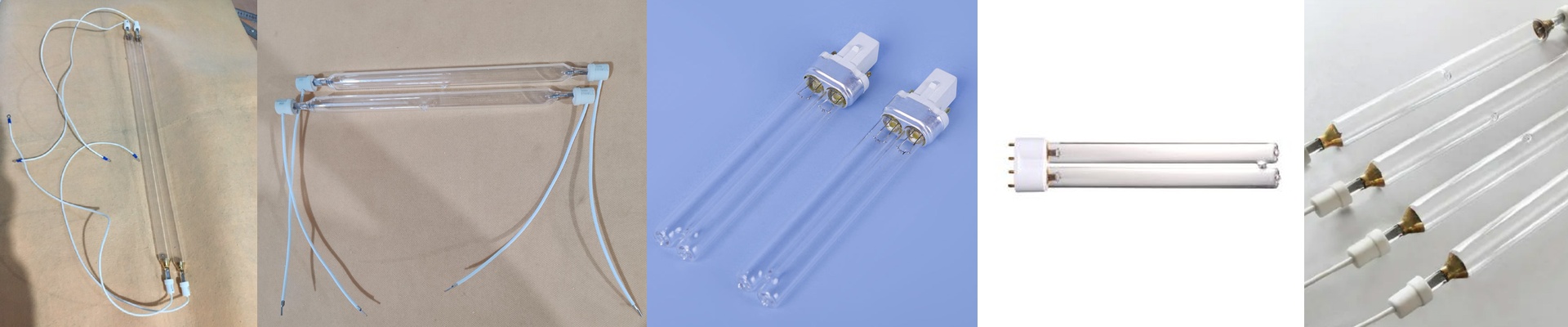
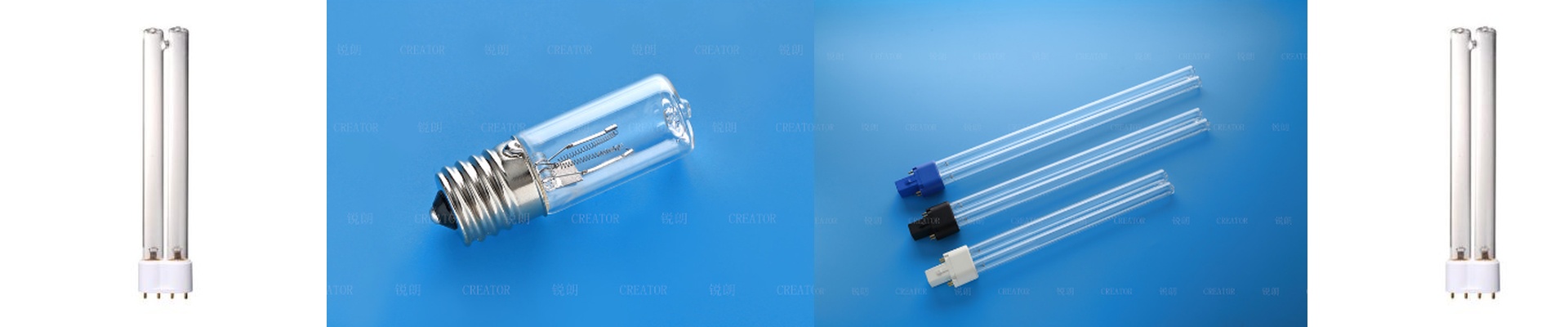
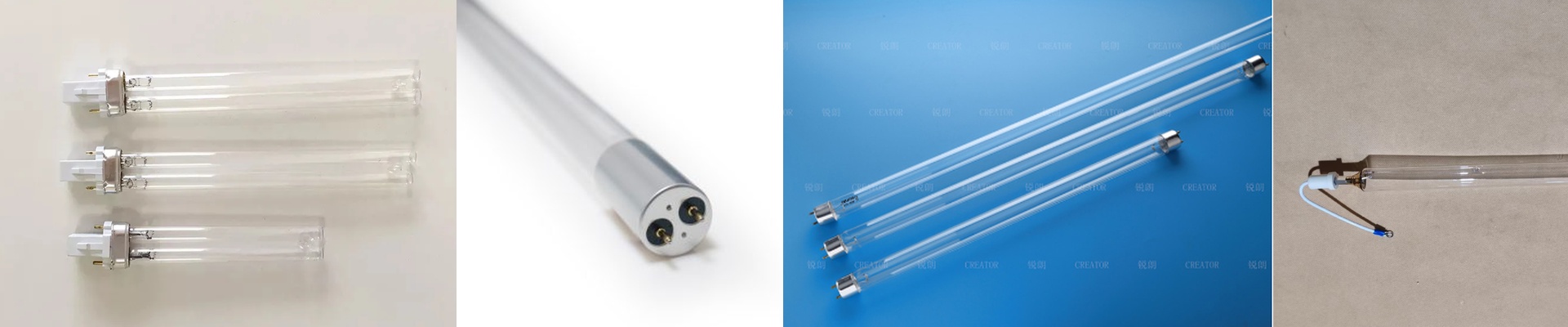
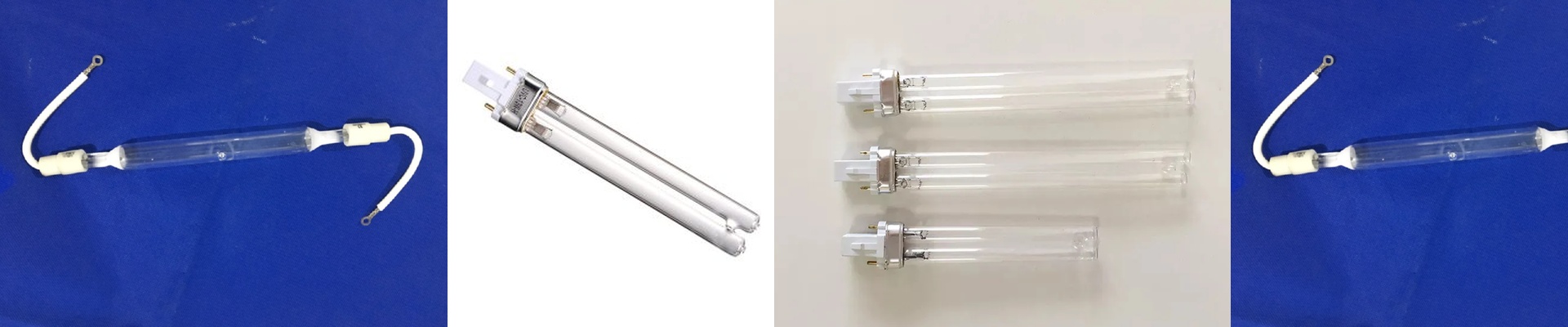
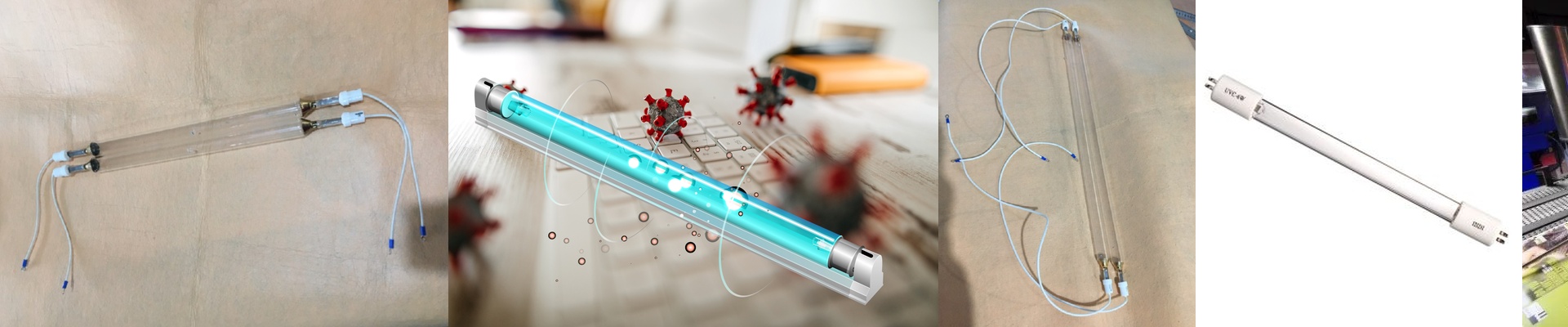
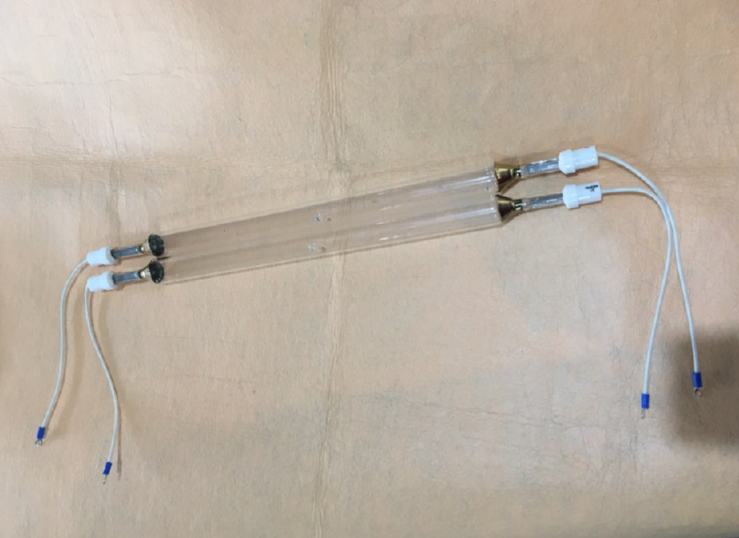
On the press floor, downtime and lamp swaps are money flying out the door. You’re not really asking if you can afford a long-life, low-decay UV lamp. You’re asking how much waste you’re willing to keep funding. Single-ended UV lamps built around high-pressure mercury vapor deliver stable spectral output at 365nm, 385nm, and 405nm—wavelengths that line up with the photoinitiator absorption of offset, flexo, and screen inks. What matters under the hood We design these lamps so cure performance repeats, shift after shift. Peak irradiance stays steady thanks to a dichroic-coated quartz envelope and a reflector geometry that keeps the focal point on the substrate, not wasted in the air. That gives you deep penetration into thick ink films and full cross-linking at line speeds that would stall conventional thermal drying. You get consistent curing energy density across the web—no hot center and cold edges. Longevity comes from controlling electrode erosion and holding fill pressure, so output decay stays below 5% over 5,000+ hours. Why this matters in printing The real cost isn’t just the lamp price. It’s the labor to change it out, the press time lost, and the scrap that shows up when cure isn’t consistent. A single-ended lamp that runs longer with low decay cuts change-outs, keeps color-to-color register stable, and preserves dot integrity. You also get immediate throughput gains from instant on/off, plus lower energy draw compared to running a full-length lamp array when only one zone needs curing. That shows up as a lower per-piece cost—in actual hours and actual kilowatt-hours. The practical details you can’t skip These lamps are fixture-specific. Match the arc length, base, and connector to your curing module, and make sure the ballast can handle the starting surge without tripping. Operating temperature matters. Keep airflow across the reflector so you don’t get thermal roll-off, and use ozone-free versions in tight spaces. Finally, confirm spectral compatibility with your ink set. If you shift wavelengths without adjusting photoinitiators, you can undercure—even at high irradiance.