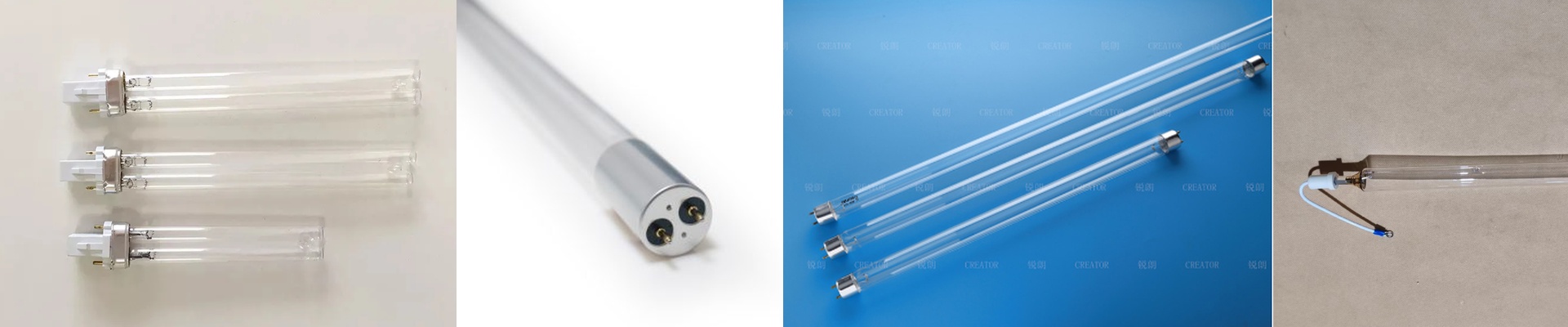
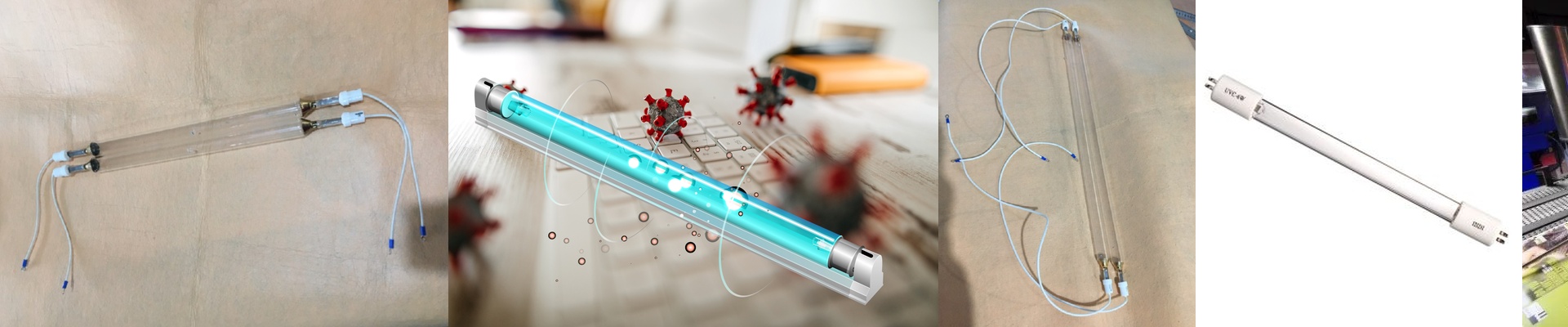
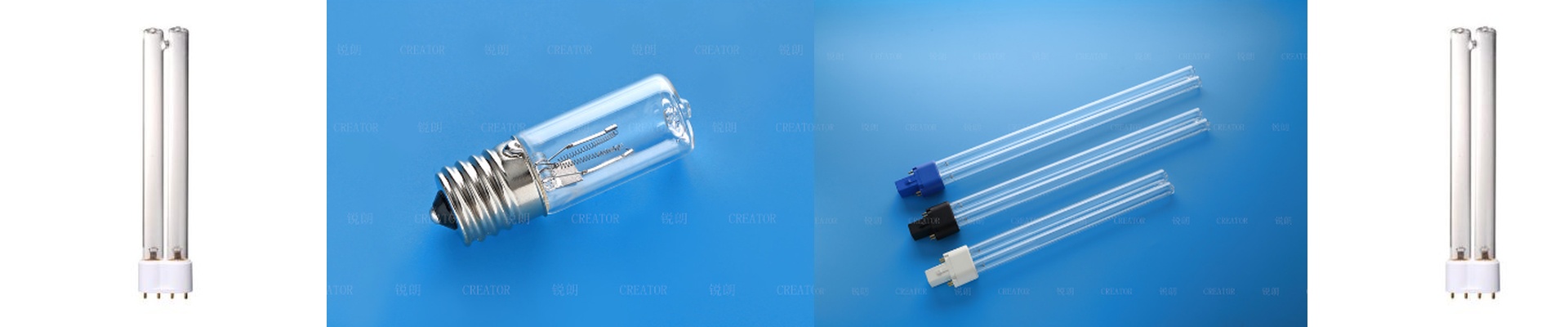
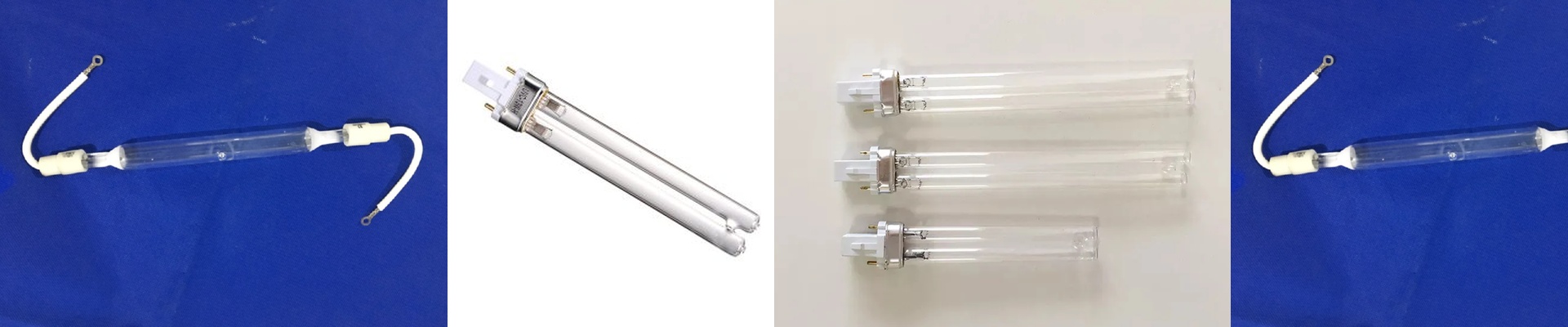
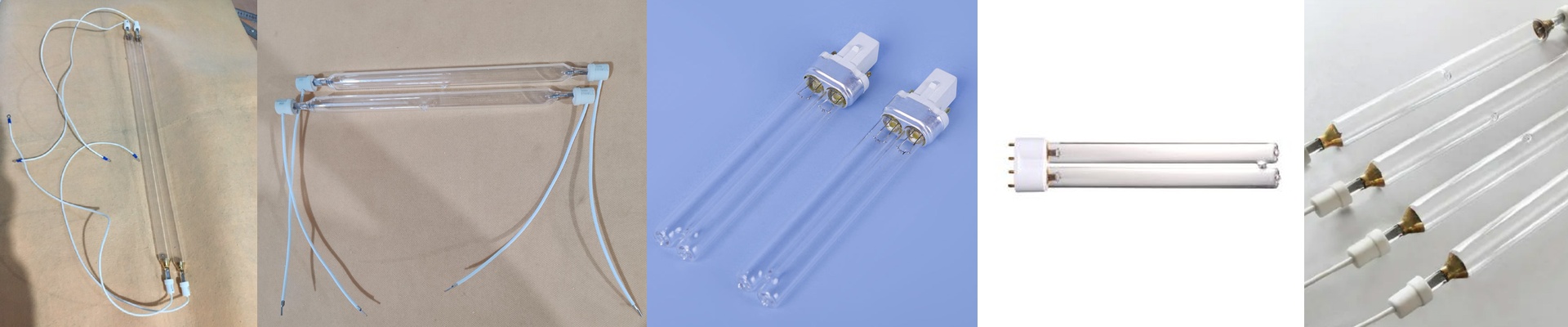
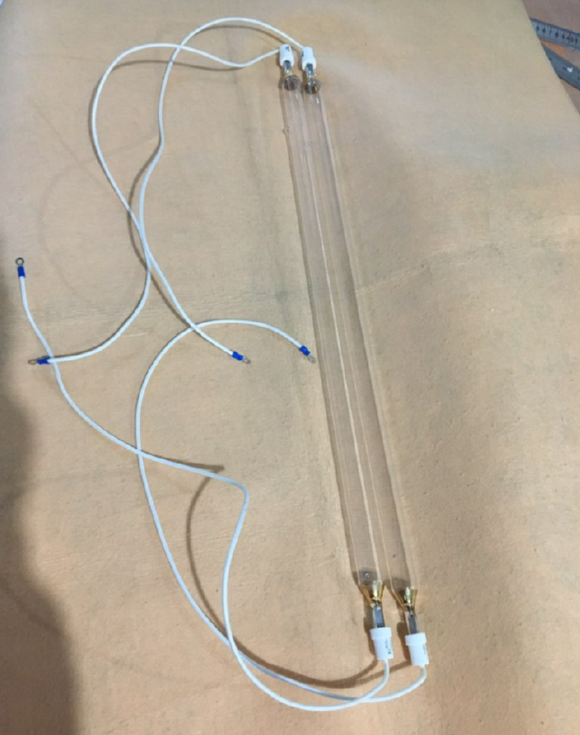
In e-commerce, that 24-hour shipping window isn’t a suggestion—it’s the baseline. A late shipment doesn’t just pile up work; it costs you the customer. On the floor, your flexo presses have to run fast, and they have to cure clean. If the UV system can’t keep up, it becomes the bottleneck—slowing throughput and putting on-time delivery at risk. What matters under the hood The lamp we keep spec’ing in is a high-pressure mercury vapor lamp, built around a stable spectral output with a dominant peak at 365nm. That wavelength is what you want for rapid photoinitiator activation across a wide range of UV-curable inks. At the substrate surface, it’s rated to deliver peak irradiance above 1,200 mW/cm²—enough energy density to drive complete cross-linking. The reflector uses a precision dichroic coating, so you get strong spectral efficiency and less wasted heat. Why this fits the way you run jobs Speed is the whole game with flexible supply chains, and this lamp delivers it by curing fully in a single pass—even at press speeds up to 600 m/min. No secondary drying. No cooling stations. That squeezes cycle time and makes same-day fulfillment achievable. It also starts and stops on command, with instant on/off and consistent output. No warm-up. No cool-down penalty. That matches the reality of just-in-time production runs. A few shop-floor details that make the difference You get the most out of the lamp when you hold the substrate-to-lamp distance within the manufacturer’s 10mm tolerance. If you drift outside that, irradiance drops—and cure depth can fall off fast. Make sure the power supply matches the lamp’s 220V/3.2A spec. And if you’re serious about staying consistent, run periodic spectral output checks with a radiometer to track lamp life and keep the process under control.