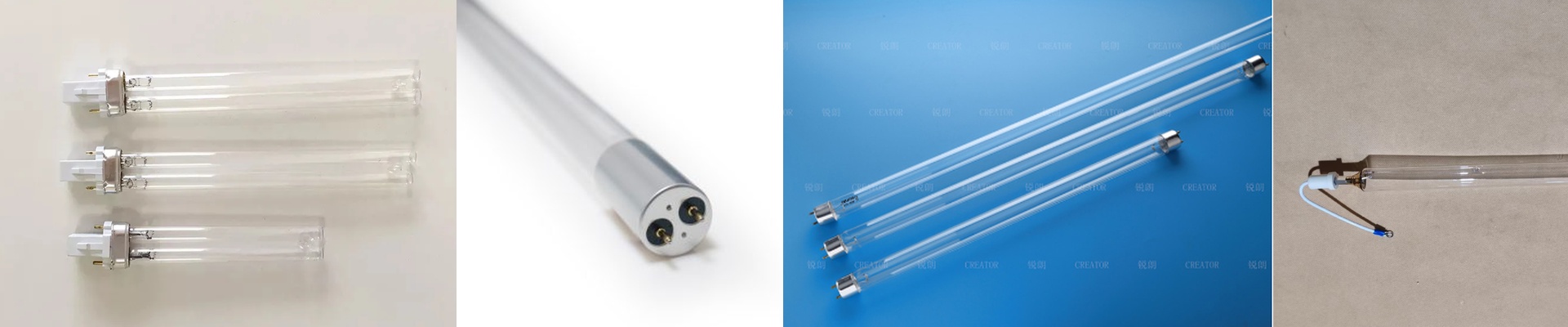
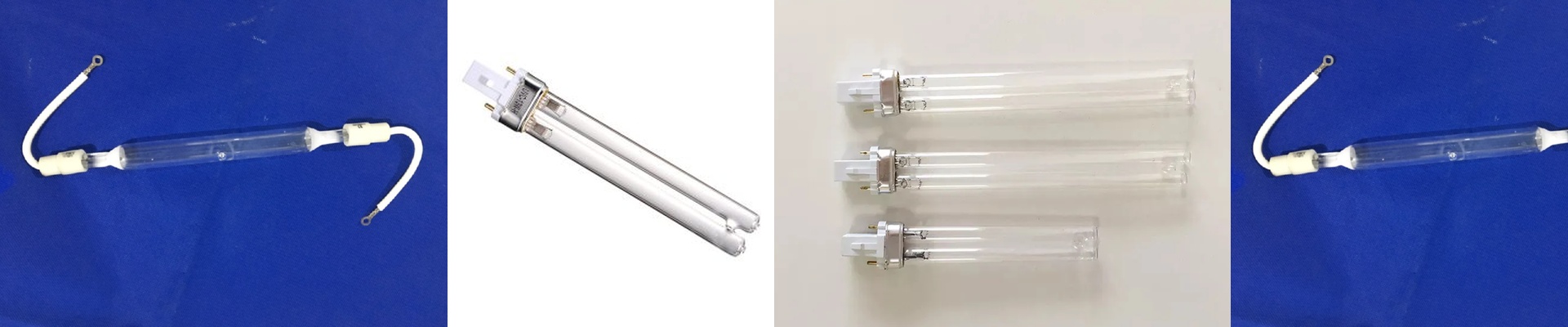
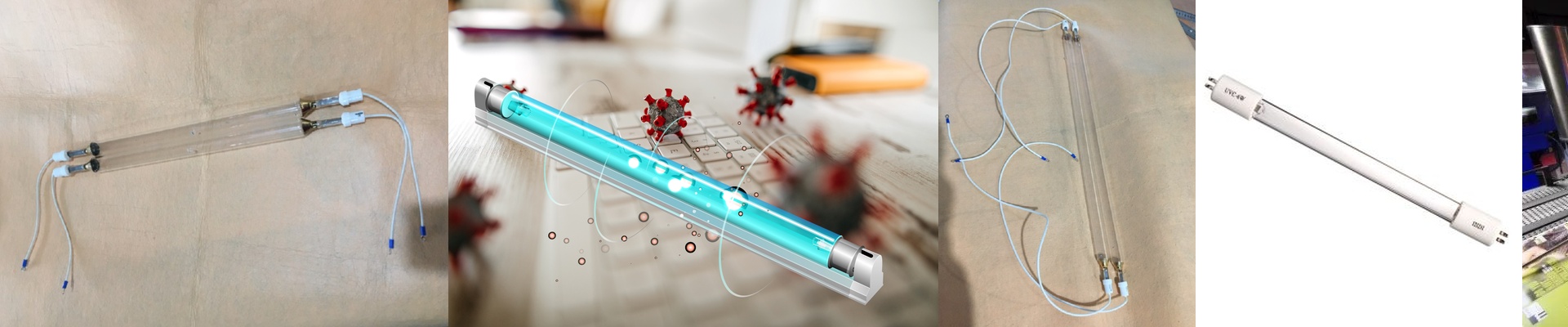
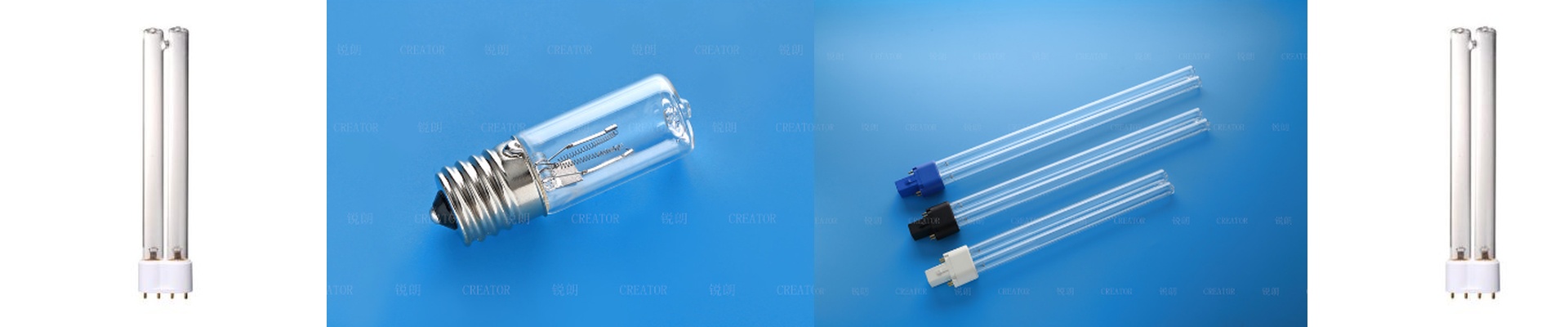
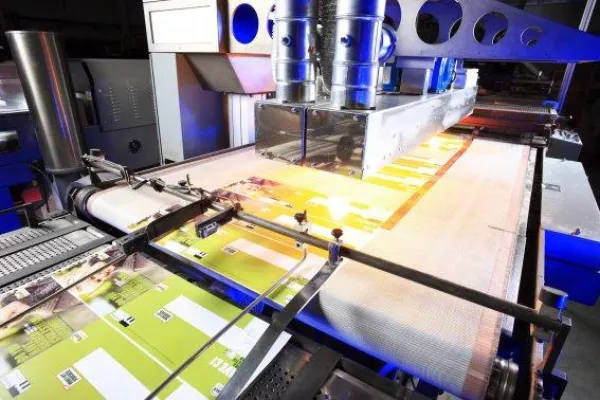
Here’s the thing about elliptical screen printing—when things are humming along, it’s beautiful. But the whole line can grind to a halt at the flash-dry station. That’s where we stepped in. We built a high-intensity UV spot curing system to knock out that bottleneck. Plain and simple, we wanted to blast the ink with more photons per square millimeter. So it cures faster, and your press can run at top speed without sacrificing quality.
The guts of it: power, voltage, and fit
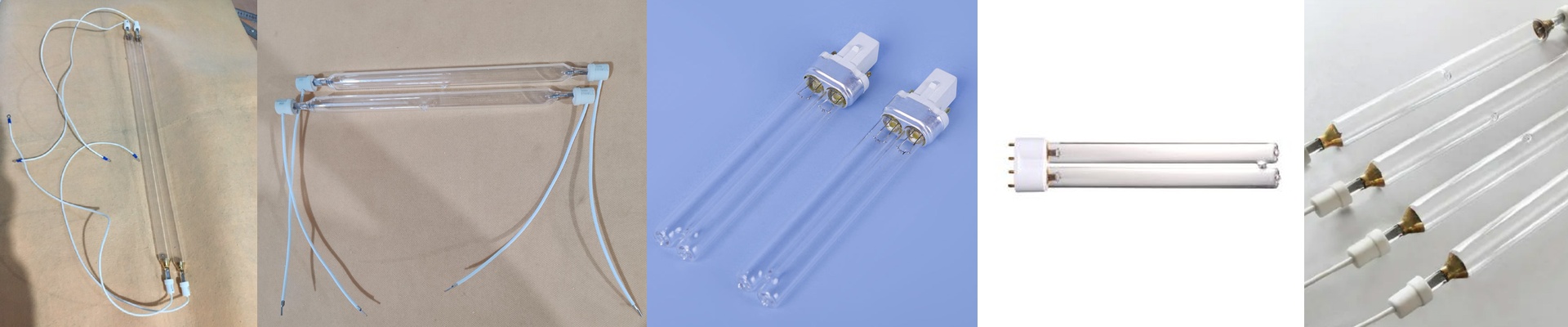
We designed the UV spot module to be compact, so it slips right into your existing curing station. No need to redesign the whole machine. It runs on 400V, which lets us deliver serious power with lower current than typical low-voltage setups. That means smaller wiring, less heat buildup, and a rock-solid arc—even during those long, marathon production runs. We spec’d the lamp at 2500W and kept the tube at 300mm. That combo focuses the energy into a tight spot. The payoff? It cures a dot or a narrow line in milliseconds. Flash-dry time shrinks, and throughput climbs.
What’s inside: halogen, quartz, and the right connection
Inside, you’ve got a halogen-filled quartz tube. Quartz handles the thermal shock of switching on and off again and again. The halogen fill keeps the filament from evaporating, so the output stays steady for thousands of hours. The tube is coated with a shortwave UV layer that filters the spectrum, pushing energy right where UV-curable inks actually respond. And we went with an R7s connector because it’s a proven, industrial-grade choice. It manages the thermal expansion of the quartz, stays solid even under vibration, and makes the lamp a true drop-in replacement. This thing can take the jolts of high-speed automation without losing alignment or creating hot spots.
What it means on the floor
On an automated elliptical printer, seconds add up—fast. Every second you save at the flash-dry station compounds across thousands of cycles. Our high-intensity UV spot module shortens exposure time, so the conveyor can move quicker and the press can hit higher hourly counts. But there’s a trade-off. Packing 2500W into a 300mm tube throws off a lot of heat. So make sure your machine’s airflow and cooling can handle it. If the cooling is undersized, you’ll run into thermal drift and the lamp won’t last as long. Match the cooling to the lamp, and you get consistent cure, faster cycles, and fewer rejects. That’s the sweet spot.