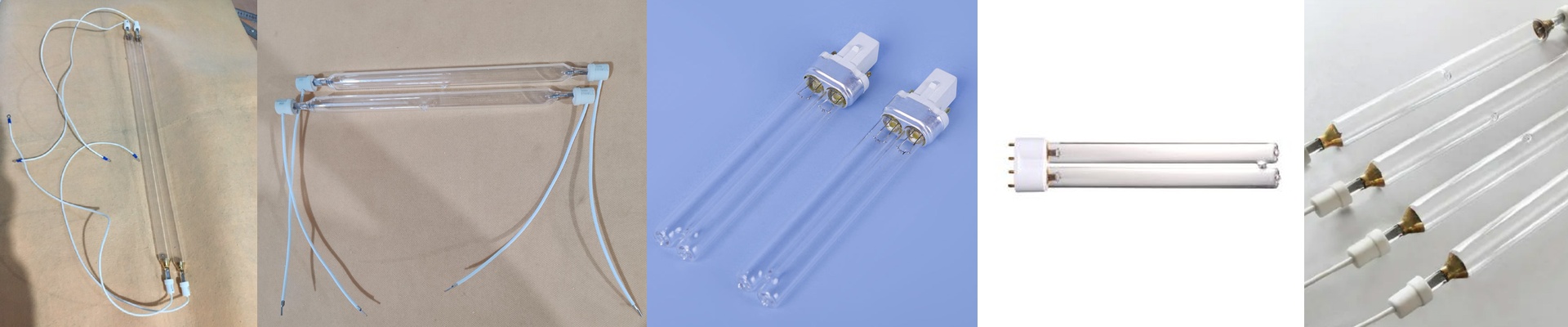
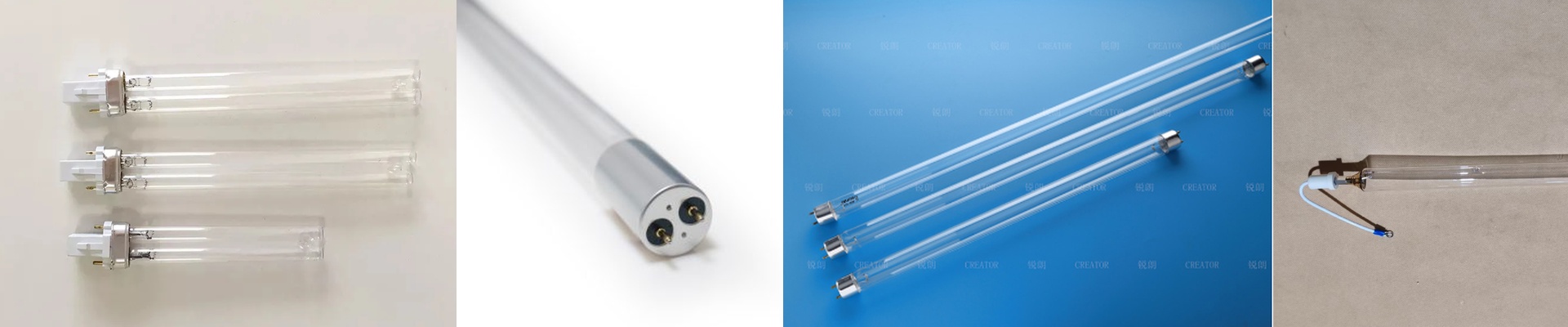
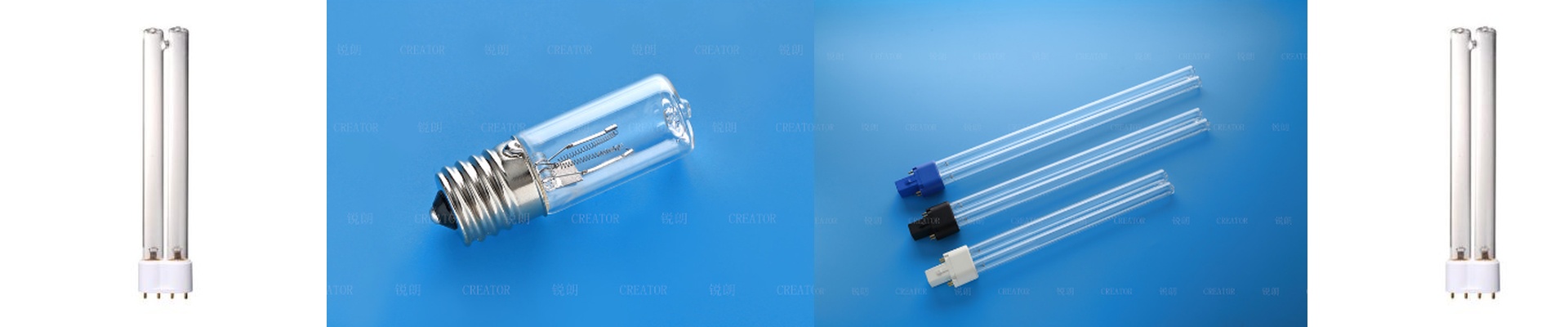
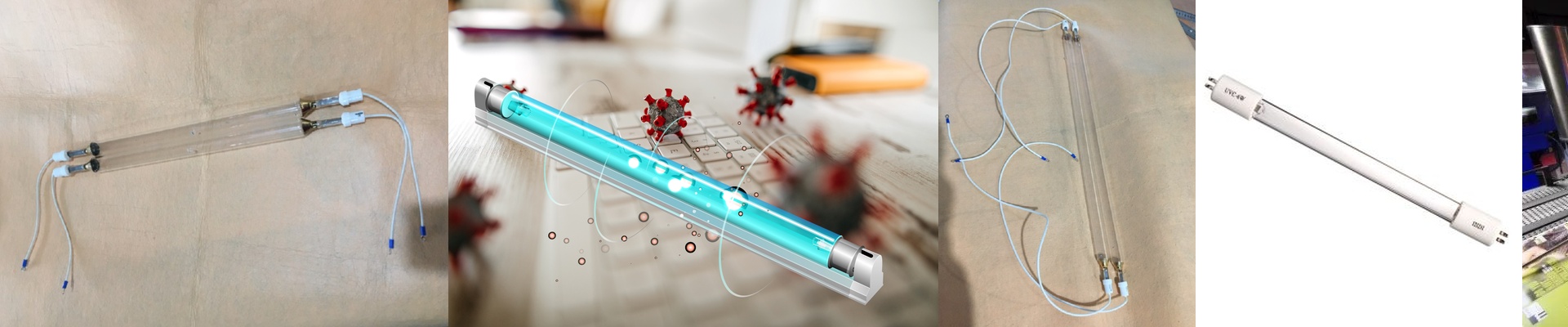
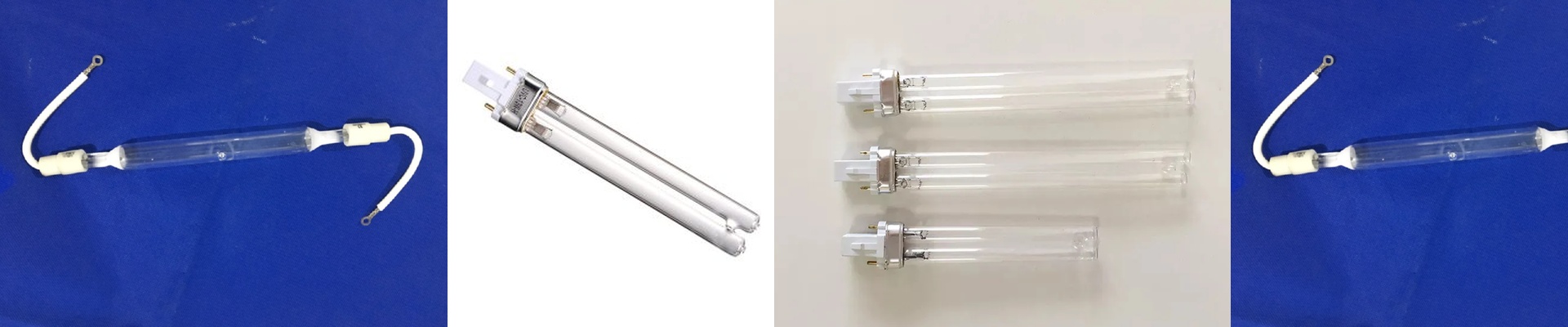
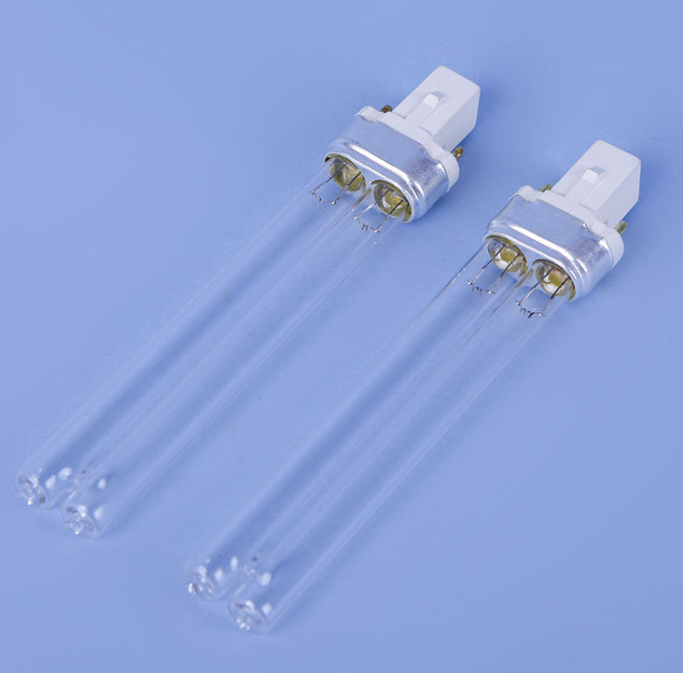
In disinfection robots that run in public spaces, the real bottleneck isn’t motion—it’s dwell time. Standard UVC setups need long exposures to hit the required log reduction, which ties up equipment and throttles throughput. The fix is a high-voltage mercury UV lamp built forextreme peak irradianceand rock-solid spectral output at 254nm. What actually matters on the job isn’t lamp wattage on a label—it’s energy density delivered. Our high-voltage mercury UV lamp holds a stable 254nm output with tight arc stability, so you get consistent microbial inactivation at shorter dwell times. The quartz envelope and optimized electrode geometry keep internal pressure high, boosting peak irradiance without compromising spectral purity. Translation: more photons per square centimeter per second. The robot finishes each pass faster and still clears the disinfection protocol. And here’s why it fits the workflow: efficiency and adaptability. The lamp’s high-intensity UVC lets the robot cut the exposure per cycle, so you get more runs per battery charge. Intelligent power control adjusts output based on surface distance and reflectivity, keeping the target dose consistent across different environments. Compared with lower-intensity options, you end up with fewer duty-cycle headaches, less energy per cycle, and longer intervals between lamp changes. Now, the practical details—because these lamps will bite you if you treat them like ordinary bulbs. High-voltage mercury UV lamps demand disciplined ignition and thermal management. Match the ballast to the lamp’s electrical profile, and make sure the fixture provides enough cooling to stabilize the arc position and keep output steady. If the unit runs in occupied or semi-enclosed areas, verify ozone-free operation. And don’t skip reflector alignment and sensor calibration—without those, peak irradiance drifts and cycle repeatability goes sideways.