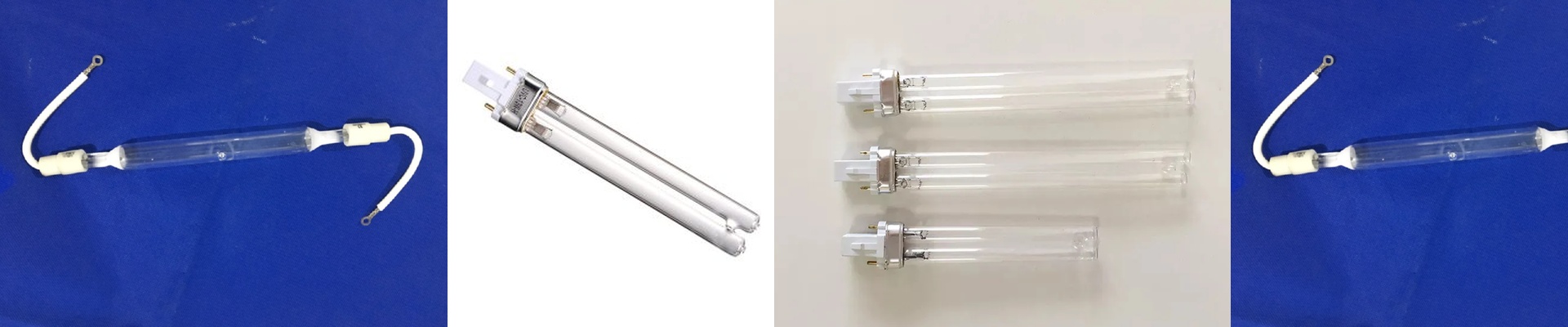
Getting Your Textile Curing Right with Gallium Iodide Lamps
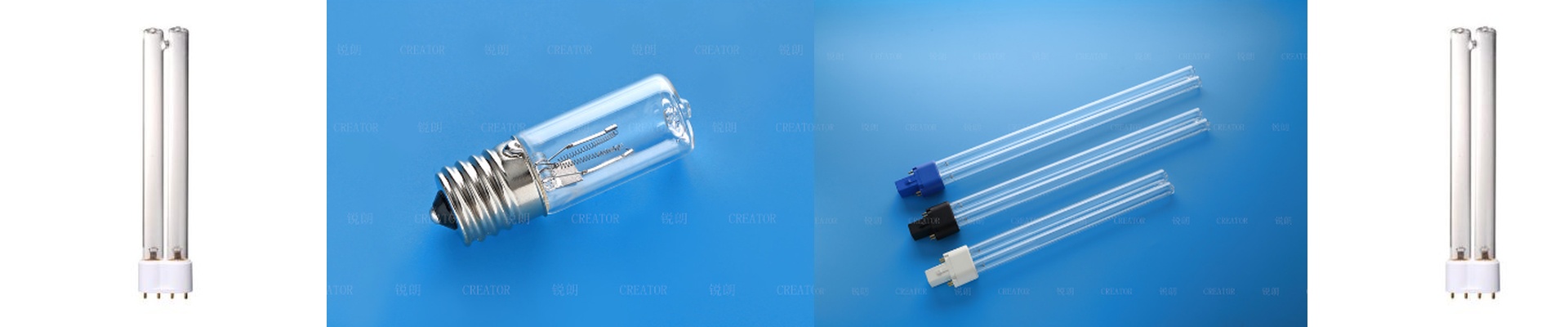
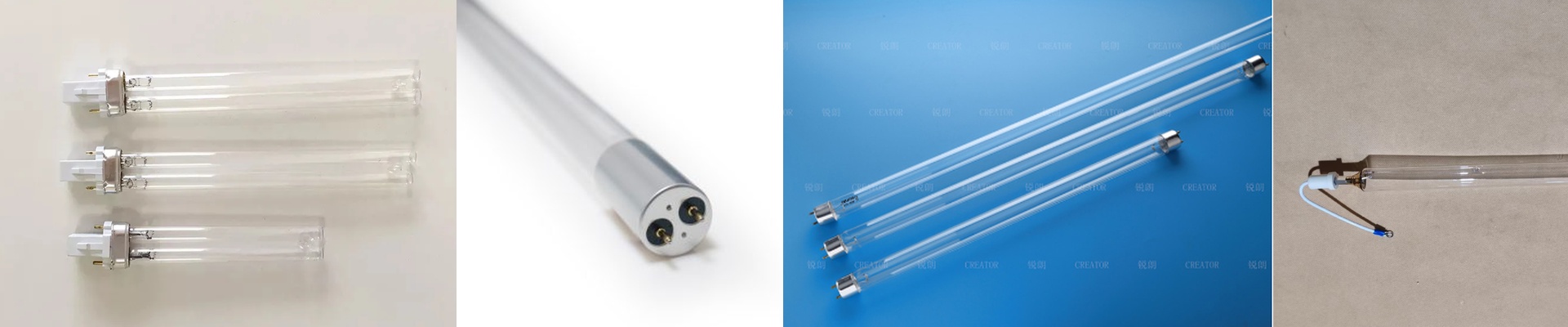
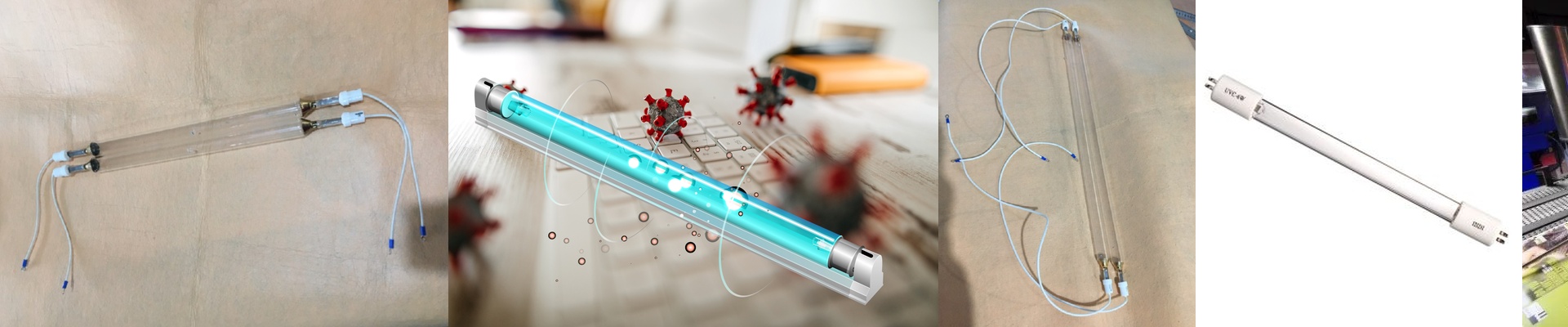
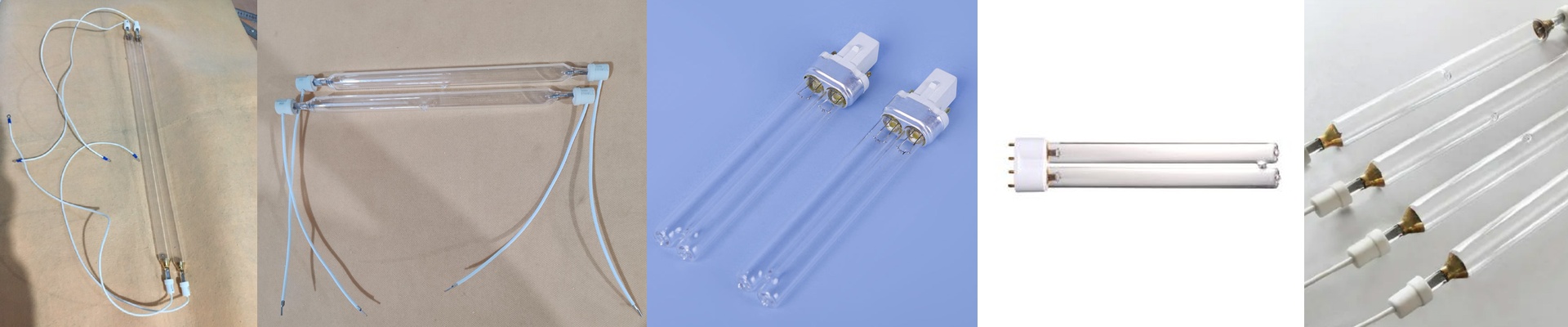
If you’ve ever struggled with ink that just won’t set or fabric that looks scorched, you know the frustration. That’s why we lean on gallium iodide lamps. They aren’t your run-of-the-mill mercury tubes; they’re built to hit a very specific spot in the UV spectrum. Basically, they target the exact photoinitiators used in high-end printing. It’s the difference between a blunt tool and a scalpel.
The Balance of Light and Heat
We design these things to push energy into the UV-C and UV-D bands. This is the “sweet spot.” It’s what bonds the ink to the fibers instantly without burning the fabric. You get this sudden, concentrated burst of energy that locks everything in place. But here’s the catch: these lamps gethot. When you’re running at full power, that quartz glass is under a lot of stress. You have to keep your conveyor speed in sync with the lamp’s output. If the fabric crawls too slowly, you’re going to ruin your material. It’s a delicate dance.
The Nitty-Gritty of the Build
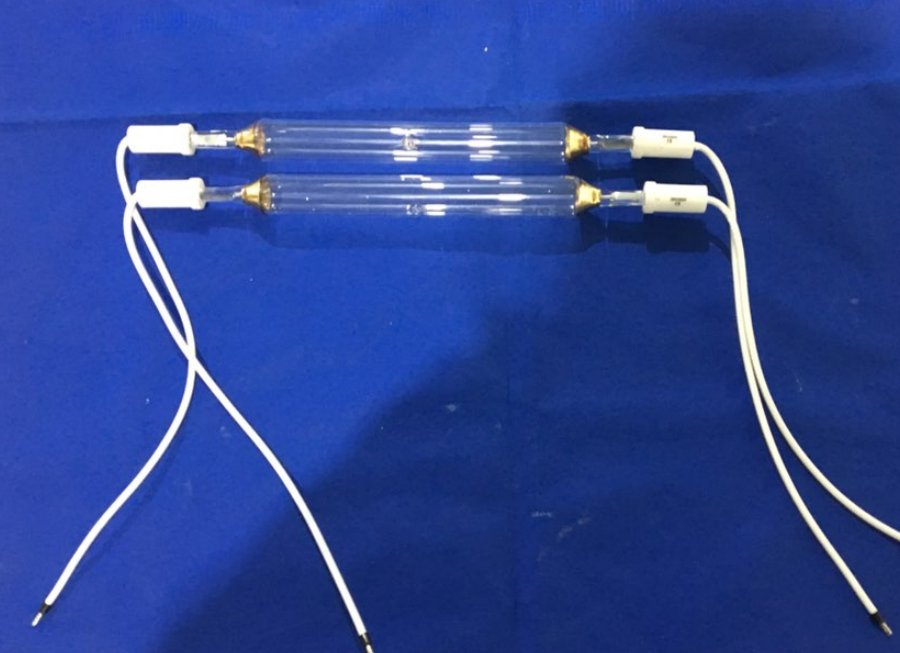
We use high-purity fused quartz because anything less would cloud up the moment things get hot. One thing to keep in mind: the gallium iodide fill is pretty moody about temperature. If your power supply jumps around, the light shifts. To keep your tubes from burning out way too early, we highly recommend a stabilized ballast. And just a heads-up—these aren’t “plug and play” bulbs you’d buy for a living room. They need a precise electrical match. If the voltage is off, you’ll see the electrodes start to pit, and the lamp’s lifespan will tank.
Real-World Use on the Shop Floor
In a busy production line, these lamps are your last line of defense. They cure the ink the second it hits the light, which means no smudges and crisp, sharp lines. For the engineers in the room, it usually comes down to a trade-off: energy versus speed. Want the line to move faster? You’ll need more wattage. But more wattage means more heat, which puts a huge load on your cooling fans. If your ventilation isn’t up to the task, the lamp will simply overheat and quit on you. Simple as that.