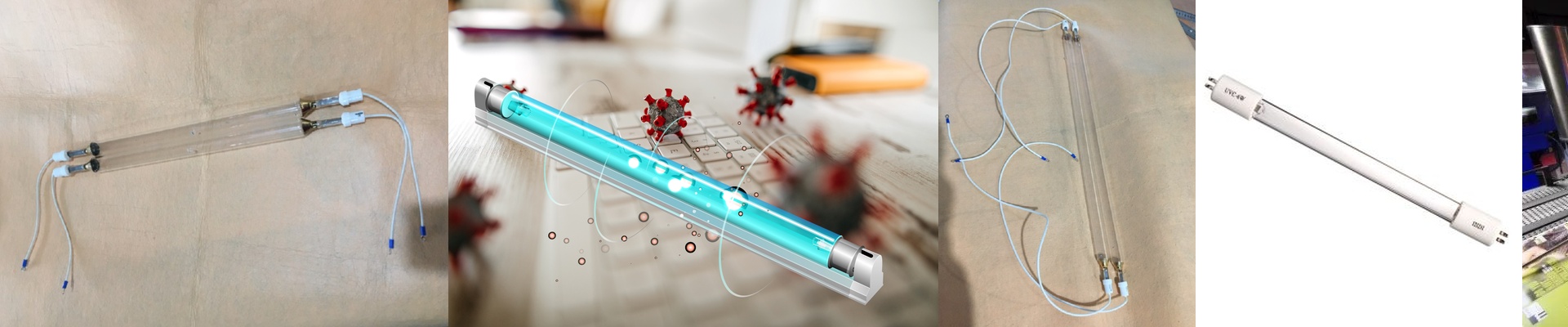
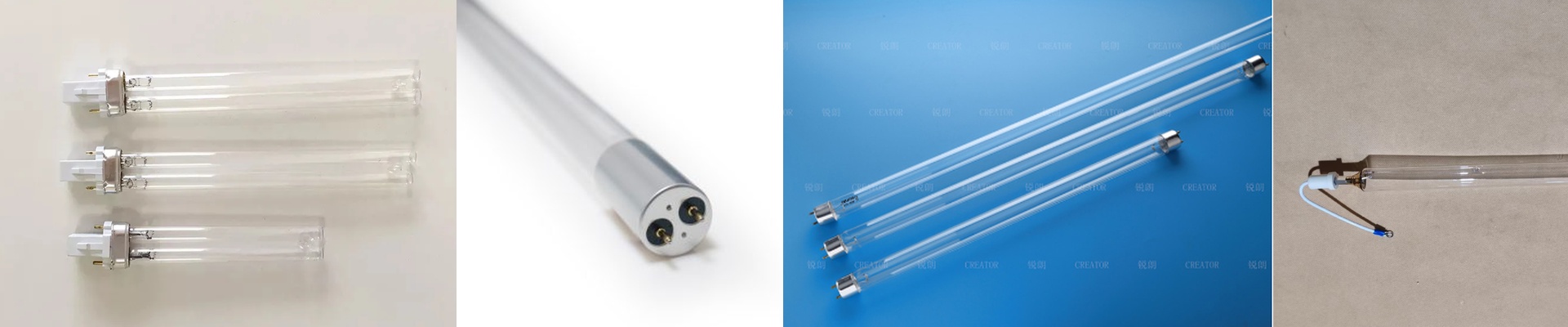
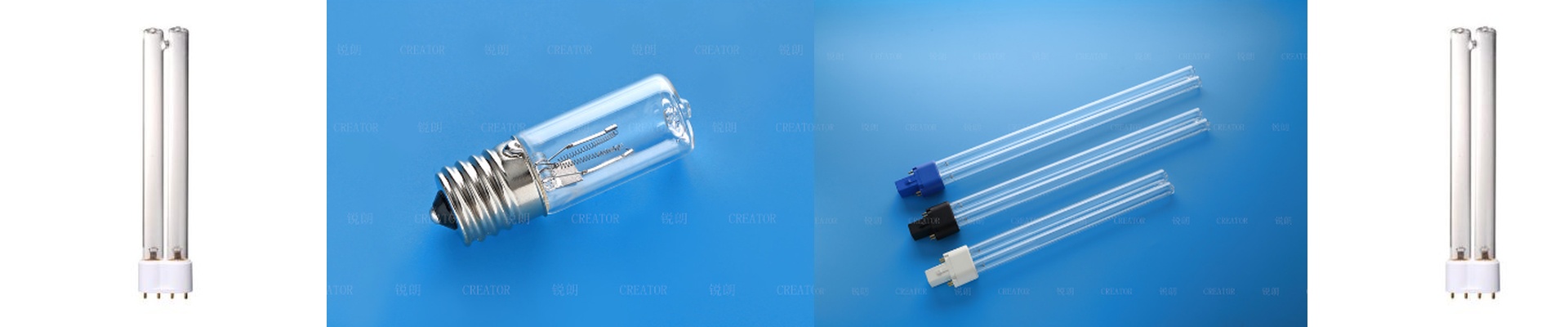
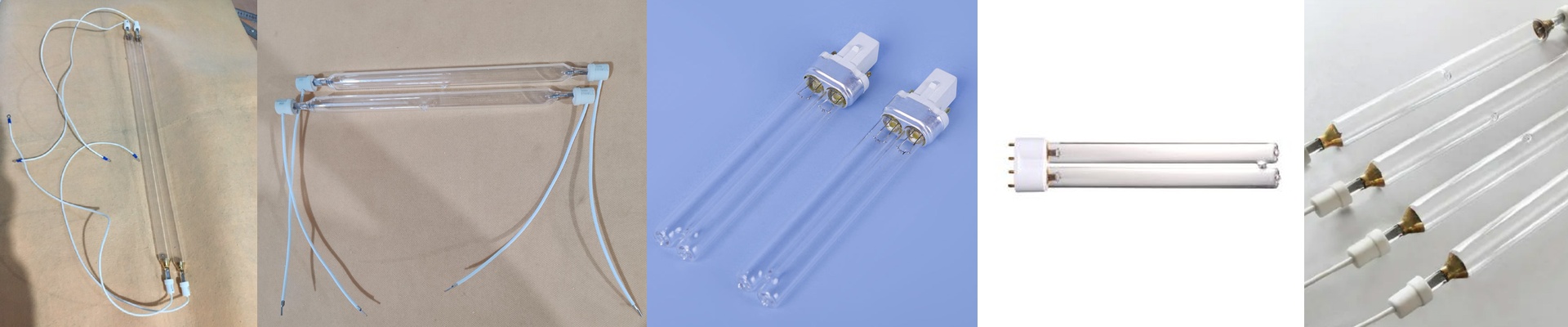
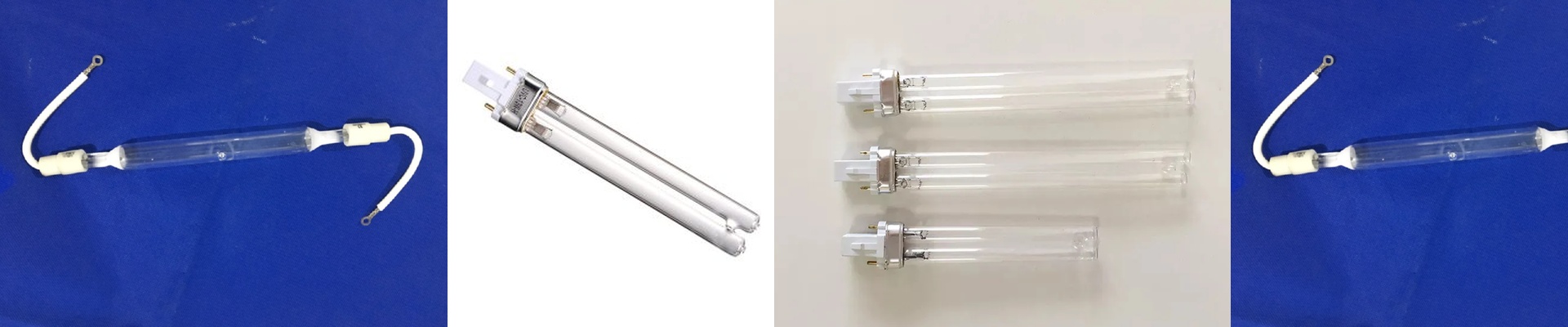
Getting the Most Out of Your Industrial UV Curing Lamps
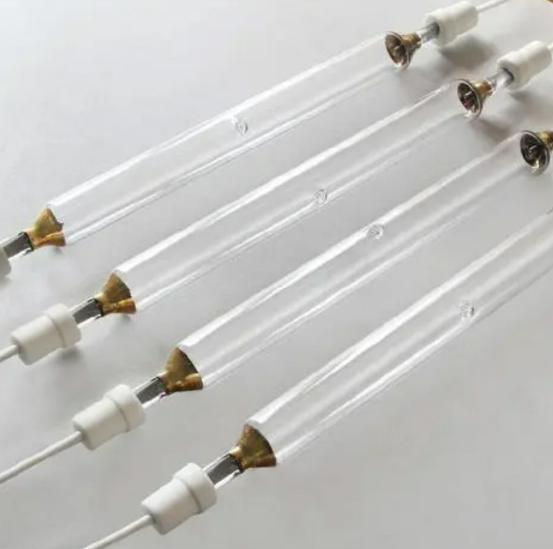
If you’re running a high-speed production line, you know that UV curing is all about the chemistry. You need that ultraviolet light to hit the ink or adhesive just right to make it set instantly. That’s where our quartz tubes come in. We build them to handle the heavy lifting of a busy factory floor without quitting on you. The balance of power Here is the thing about wattage and voltage: it’s a balancing act. Sure, cranking up the wattage gives you more photon flux—which basically means your curing happens faster—but you can’t just push the voltage wherever you want. If you try to force more intensity by over-volting the lamp, you’re just killing your electrodes. It’s a shortcut that leads straight to a burnout. Stick to your ballast specs. Your lamps will last longer, and you’ll spend less time swapping them out. Why the quartz actually matters We use high-purity fused quartz for the tubes. Why? Because regular glass is basically a wall that blocks the shortwave UV you actually need. Quartz lets that light fly right through. But the real secret is in the seal. The spot where the quartz meets the electrodes is usually where things go wrong. We use a specific fusing process so the vacuum stays tight, even when the lamp is heating up and cooling down a dozen times a day. It just holds up. Keeping things running smooth These tubes are designed to be simple drop-in replacements. They just work. But there is one big rule:don’t touch the glass. It sounds silly, but the oils from your skin leave a residue. When the lamp heats up, those spots become “hot spots” that can actually crack the quartz. Give them a clean environment and they’ll behave. And while you’re at it, take a look at your reflectors. If they’re dusty or grimey, your UV intensity drops. Most people respond by running the lamps hotter to make up for the loss, but that’s a mistake. All that extra heat can warp your materials or mess up your conveyor belt. Just keep the reflectors clean and make sure your cooling fans can actually handle the total wattage of your lamp bank. Keep them cool, and they’ll keep working.