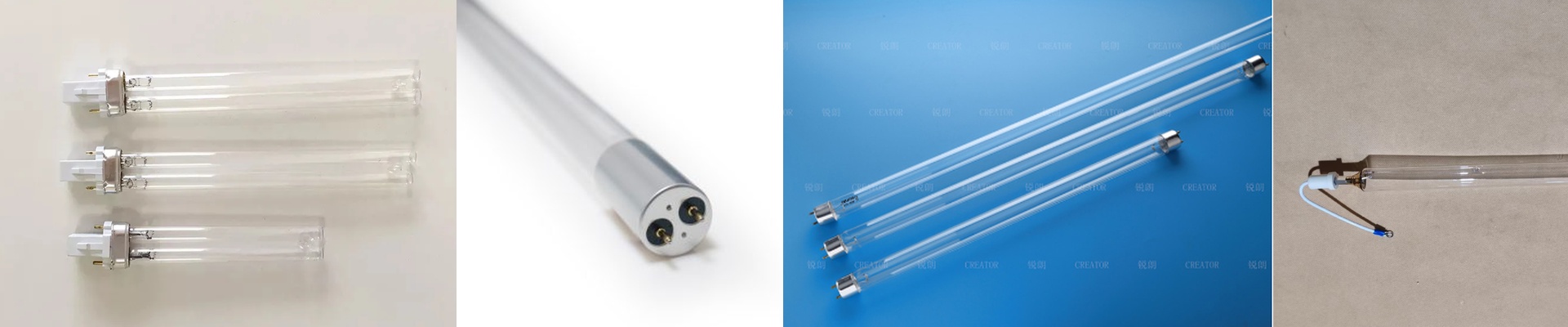
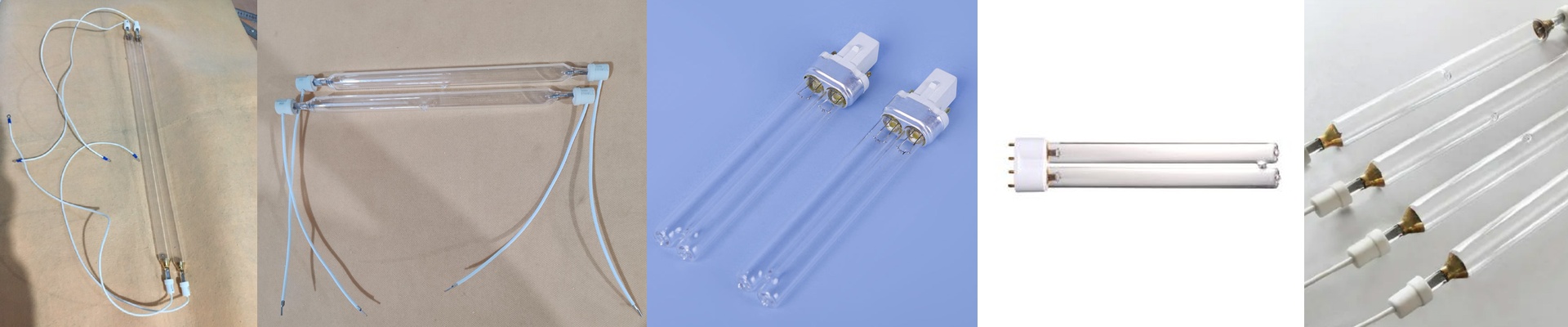
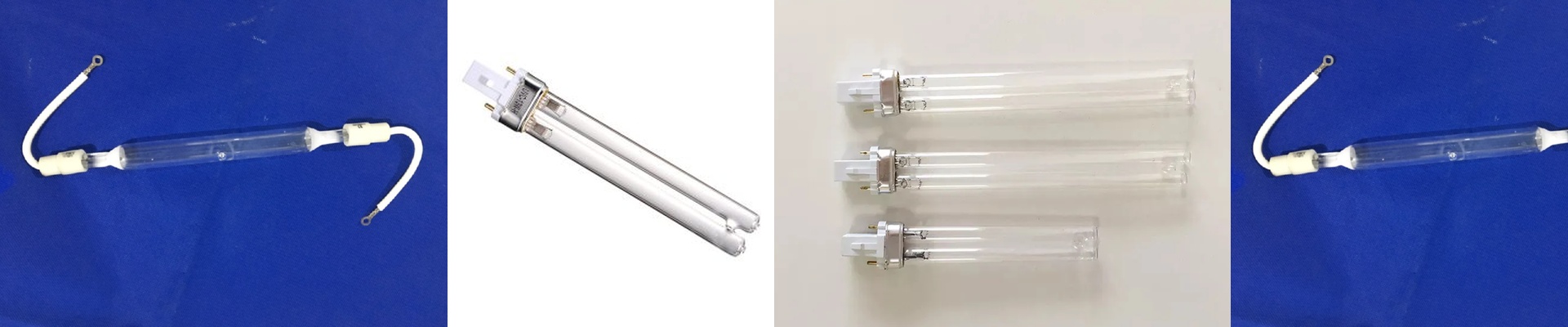
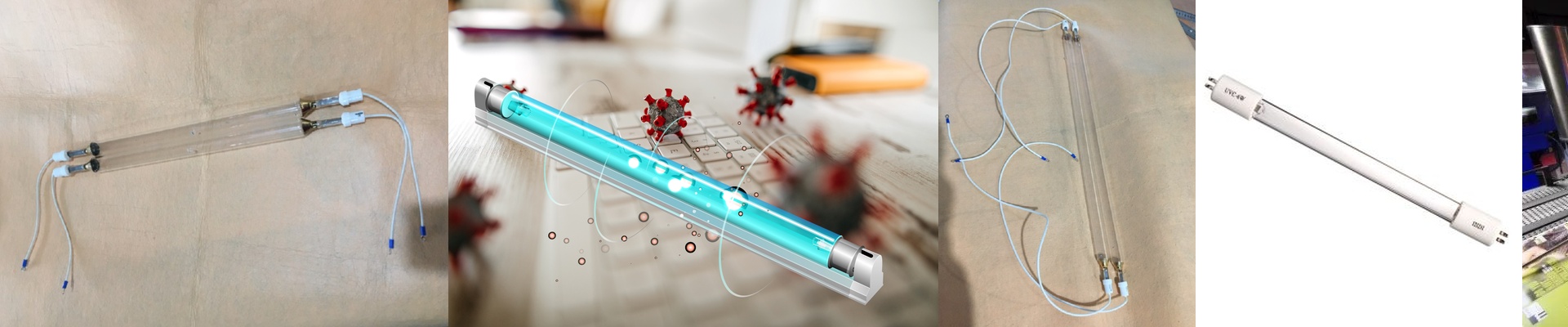
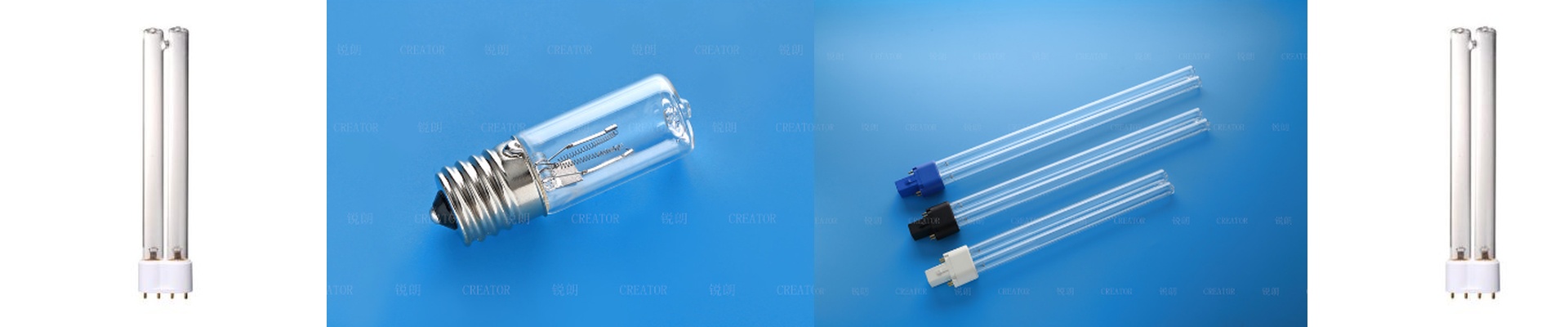
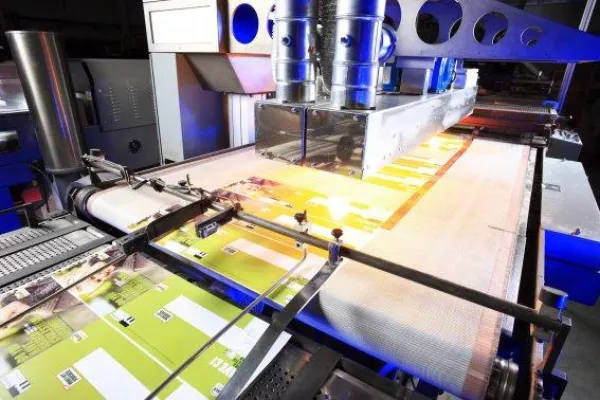
Out on the press floor, a UV lamp that can’t hold steady spectral output doesn’t just burn time—it hides the real culprit. You see uneven cure, pinholes, or adhesion failure, and it’s easy to point the finger at the lamp. But often the problem is a leak in the curing system. We don’t just drop off a UV lamp and call it a leak detector. We run an on-site curing diagnosis that maps spectral output, peak irradiance, and energy density right at the substrate plane. That’s how we pinpoint where the failure is actually happening. What counts is what you can measure. Our high-pressure mercury vapor lamps hold stable 365 nm output, and the reflector geometry keeps the irradiance profile even across the cure window—verified with a spectral radiometer in mW/cm²/nm. We don’t quote lamp life as a vague number. We give you the degradation curve, backed by recorded data: 5,000+ hours with under 5% output drop, as long as you stay within rated power and cooling. Ozone-free quartz envelopes and dichroic coatings keep the heat on the substrate where it drives cross-linking, not bleeding off into the press bay. And the payoff is straightforward: repeatable cure, fewer stops, and lower energy draw per cured sheet. We line up lamp positioning, reflector condition, and power supply to match your ink’s photoinitiator window, so the web gets the energy density it actually needs. The result? Fewer rejects, predictable throughput, and lamp changes driven by data, not guesses. One practical note on retrofits: it’s not plug-and-play unless the fixture, reflector, and electrical interface match the lamp’s thermal and arc behavior. Bring the printer model and your current lamp specs to the site audit. We’ll confirm connector type, voltage, envelope dimensions, and cooling airflow—so you don’t end up with hot spots and premature failure.