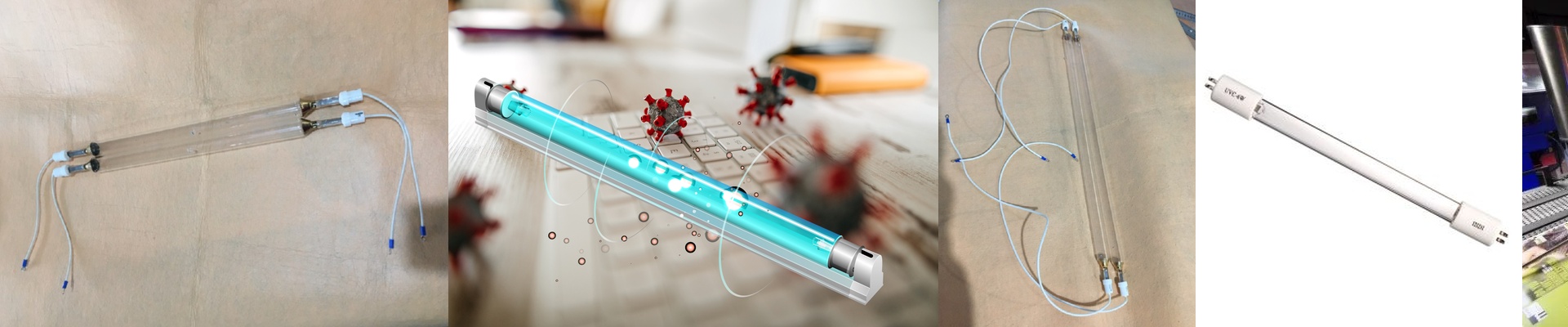
Let’s Talk About Scaling Your UV Setup
We’ve moved way beyond basic curing. These days, getting UVC sterilization right inside an automated line is the only way to actually hit those strict hygiene marks without slowing everything down. But here’s the thing: when you’re ordering these bulbs in bulk, you aren’t just grabbing some glass tubes. You’re essentially picking the engine for a system that has to run 24/7 without blinking.
The Deal with 253.7nm
To actually kill microbes, you need that 253.7nm wavelength. It’s the sweet spot that breaks down microbial DNA. Now, this is where the materials matter. We use high-purity quartz because regular glass just blocks UVC. If the quartz isn’t pure, your output tanks. You’re losing your sterilization power before the light even hits the air. It’s a waste of electricity and a risk to your product.
Heat, Power, and the Trade-off
High-wattage lamps get hot. Really hot. We build ours to handle the stress of rapid cycling, but you’ve got to keep an eye on your ballasts. If the voltage is off, you’ll fry the electrodes way too early. My advice? Match your ballast exactly to the wattage of your bulk order. It stops the flicker and keeps the lamps from dying prematurely. And just a heads-up: more intensity means a shorter lifespan. It’s a simple trade. If you crank up the current to speed up a conveyor belt, expect to be swapping out those tubes about 20% more often.
Making it Fit
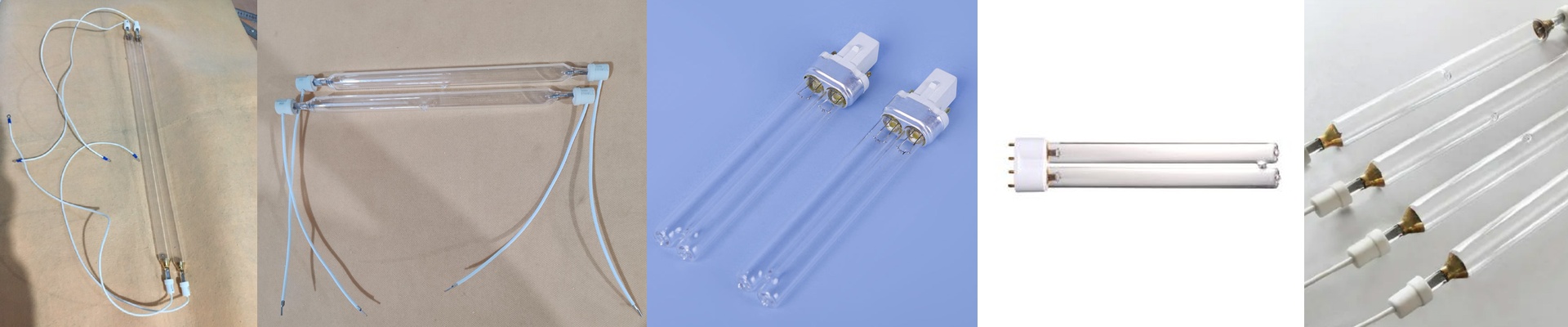
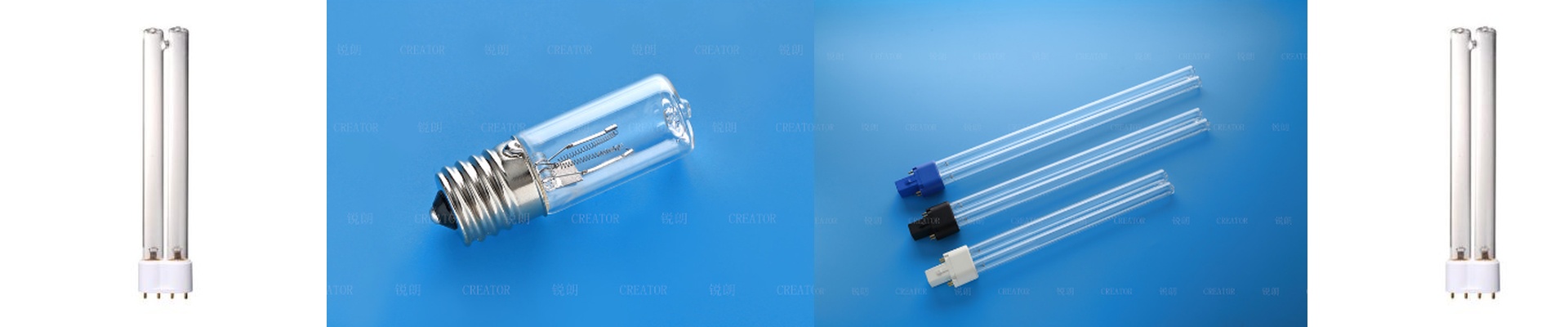
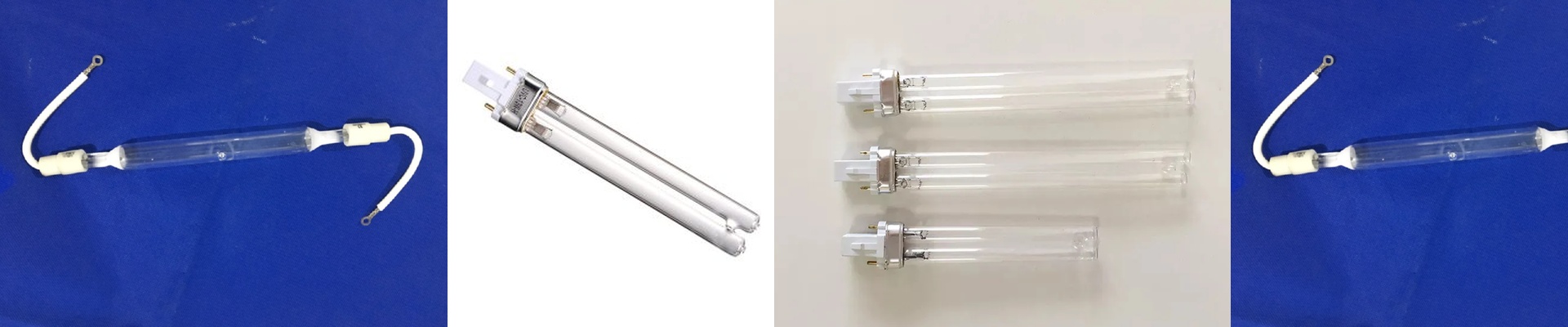
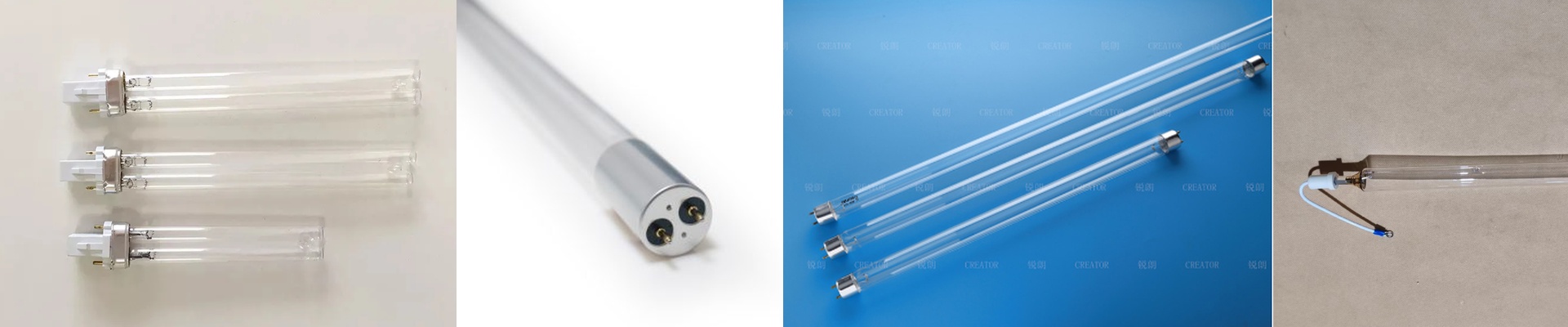
These bulbs are designed to just slide right into your current fixtures. Whether they’re going into HVAC ducts or conveyor tunnels, the fit has to be spot on. One quick tip: keep your racks clean. Dust on a quartz sleeve creates “shadows,” and that’s exactly where bacteria love to hide and survive. We sell these in bulk because it makes your life easier. When you standardize the length and wattage across the whole plant, your inventory stays simple. No more hunting for the “right” bulb while a machine sits idle. You just swap them out and get back to work.