Making UV Sterilization Actually Efficient
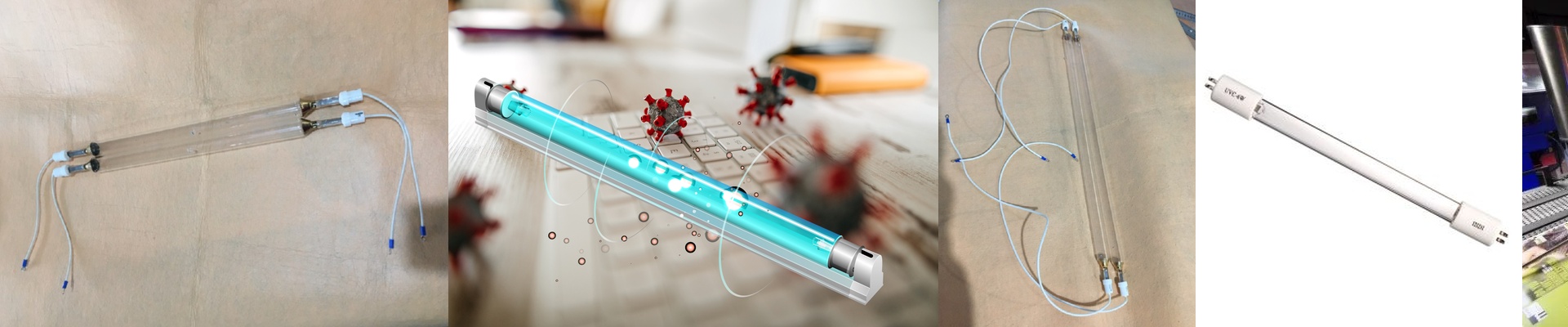
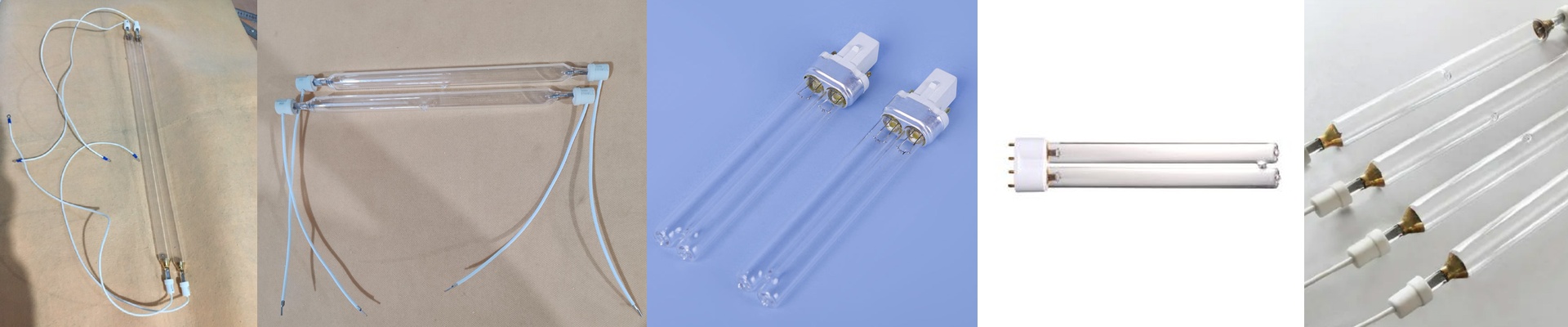
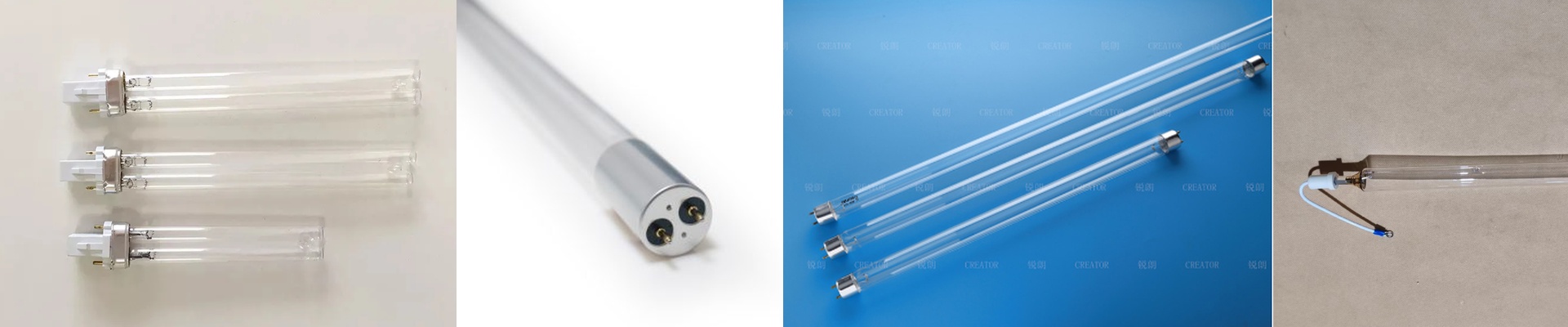
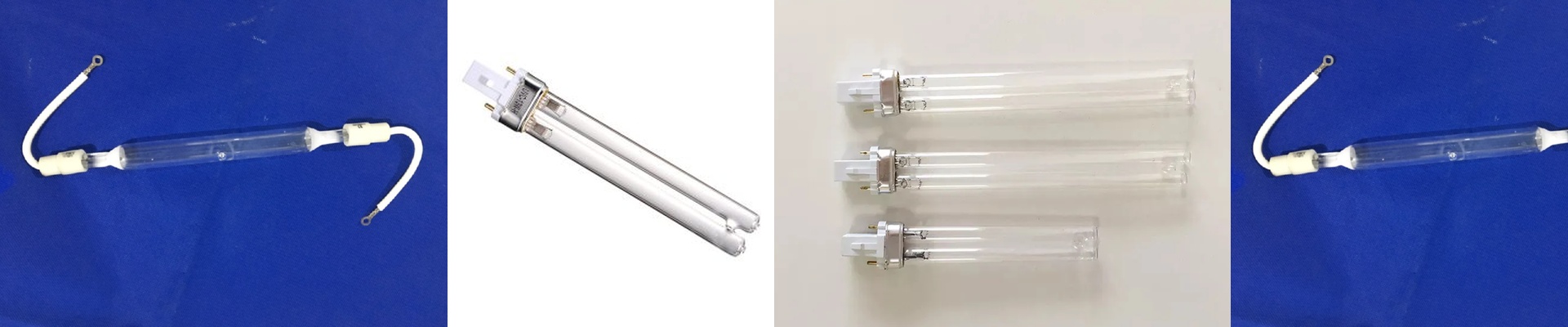
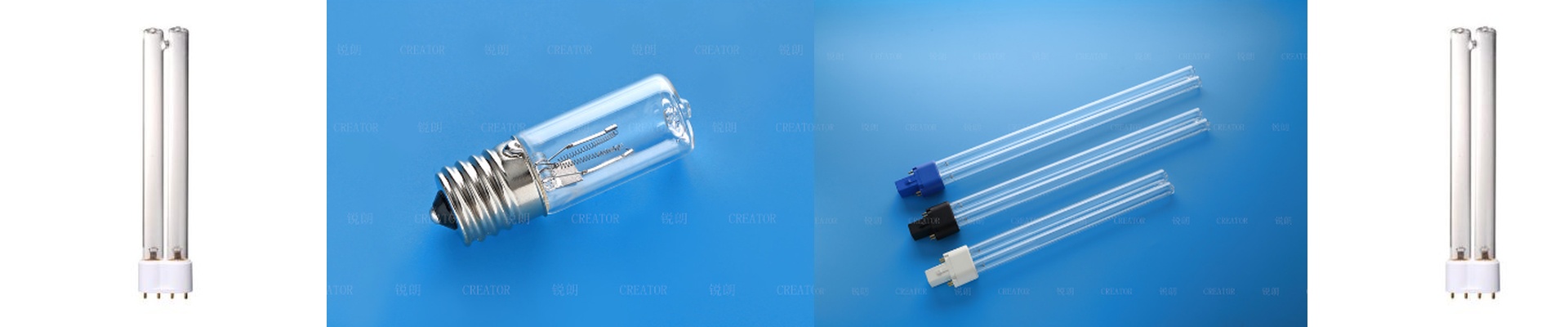
Here’s the deal with UV germicidal lamps: they work by hitting microorganisms with shortwave radiation (usually at 253.7 nm) to break their DNA. Simple enough. But when we talk about “energy-saving” versions, we aren’t just talking about a lower electric bill. We’re talking about squeezing more UVC output out of every single watt. That means less strain on your ballast and a lot less heat building up in your setup. The secret is in the glass. If you use cheap quartz, the glass actually absorbs the light before it even gets out of the tube. It’s a waste. We use high-purity synthetic quartz so that 254nm wavelength flies right through. Now, there’s a bit of a balancing act here. To get the sterilization dose you need, we have to play with the wattage and the length of the tube. Sure, you can cram more wattage into a short tube to get a massive blast of intensity, but that just kills the electrodes faster. We find the sweet spot so the lamp lasts. No headaches during install We designed these to be drop-in replacements. Whether you’re using sterilization tunnels or air scrubbers, they just fit. We used standard pins, so you can wire them up quickly without having to rip out your sockets and start over. We also treated the internal cathode. Why? Because low-cost tubes usually burn out prematurely right there. We fixed that. A quick heads-up on heat Here’s the thing: energy-saving lamps draw less power, but they aren’t “cold.” You still have to keep an eye on the temperature around the housing. If the lamp gets too hot, the UVC output actually starts to dip. It’s worth double-checking your airflow to make sure the tubes stay in that “goldilocks” zone. We’re confident in these builds. If the performance doesn’t stack up against the big global brands at the same price point, we’ll give you your money back. Period.