Getting More Life (and More Value) Out of Your UV Tubes
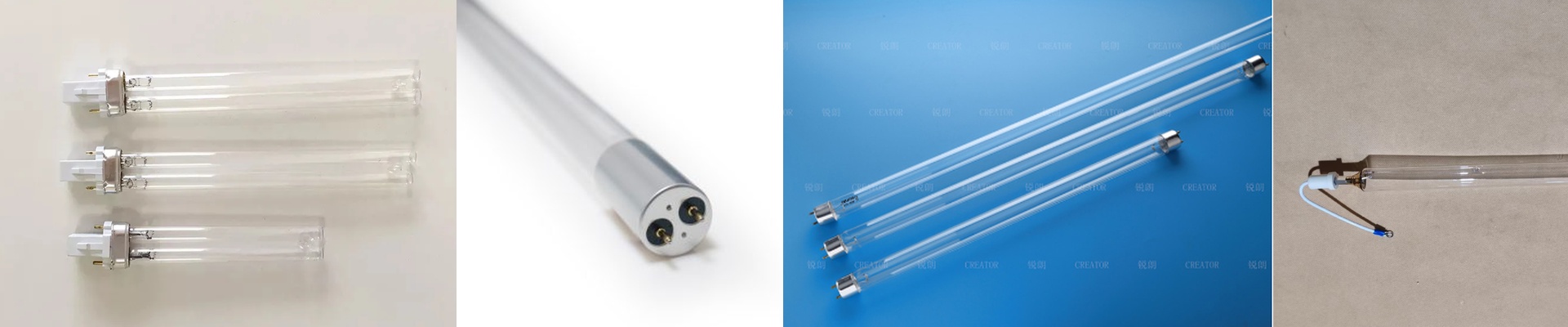
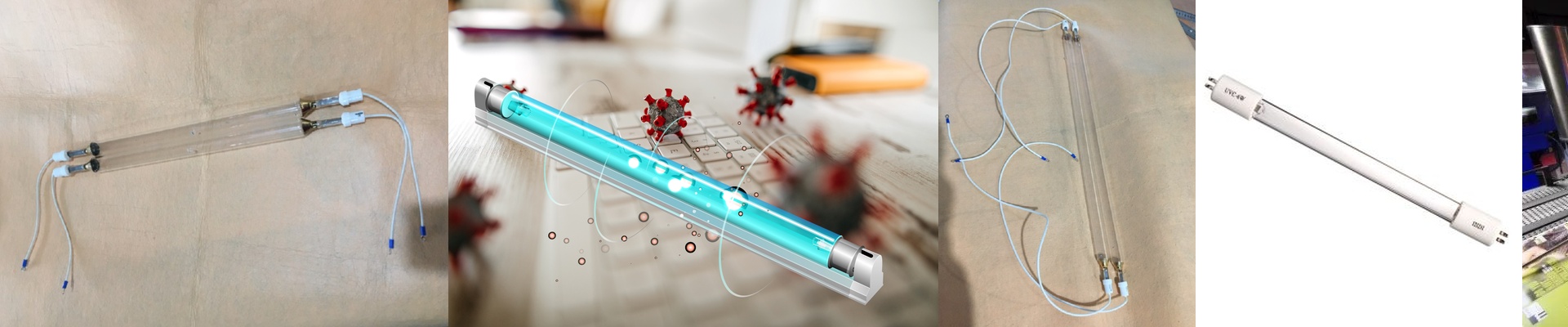
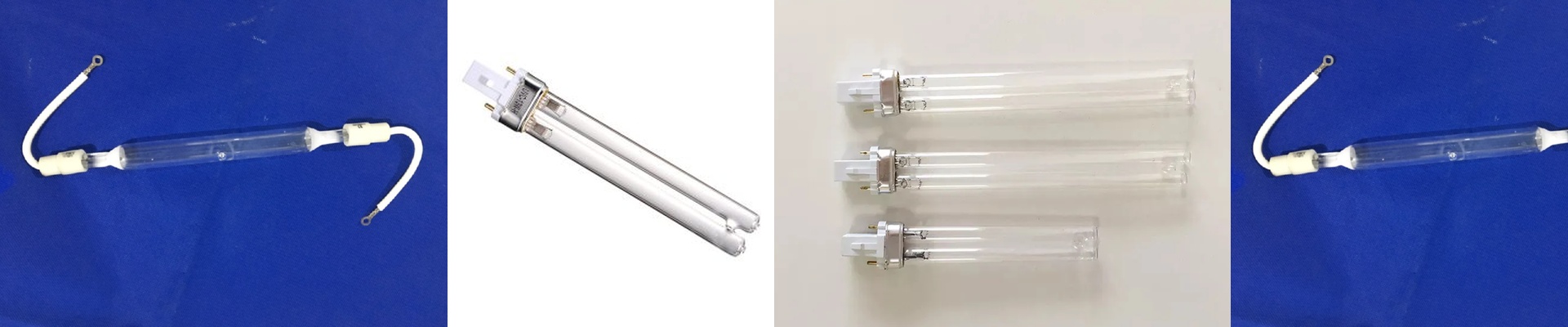
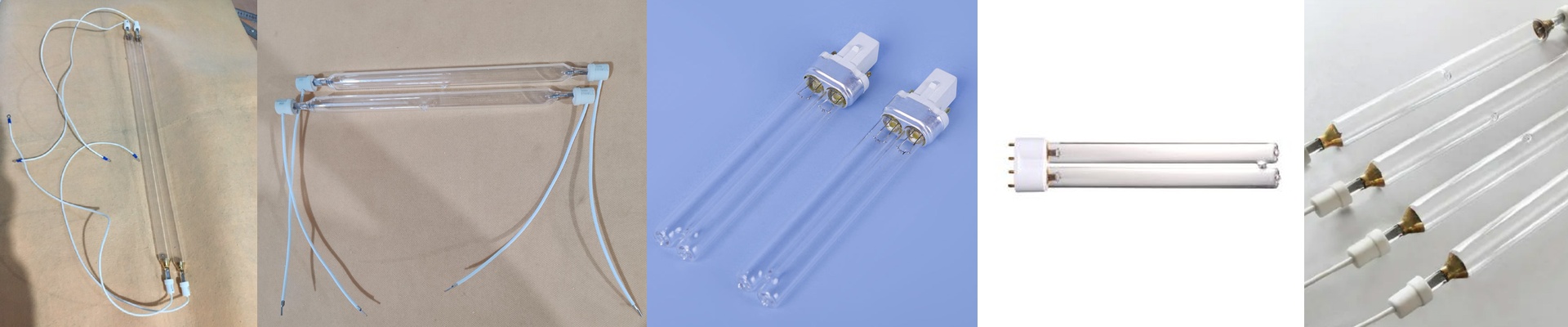
Mercury UV tubes are basically the heavy lifters of the industrial drying world. Their whole job is to kickstart a chemical reaction in your inks or coatings, and they do it by pumping out specific ultraviolet wavelengths. Simple, right? But getting them to actually last is where things get tricky.
Why Some Tubes Just Quit Early
If you’ve ever had a tube burn out way before it should, you’ve probably dealt with “electrode sputtering.” It’s a pain. Basically, metal particles migrate and coat the inside of the glass, which blocks the UV light from getting out. We tackle this by being picky about our materials. We use thoriated tungsten and modified alloys to slow that process down. It means your UV intensity stays steady for thousands of hours instead of dipping off a cliff. But here is the thing: you have to be careful with your ballast. If you try to “over-drive” the tube just to get a faster cure, you’re essentially trading the life of the lamp for speed. It’s a direct trade. More intensity means faster throughput, but it also means your lamp will decay a lot quicker.
Cutting Out the Middleman
Usually, you’re stuck with two bad choices: pay a fortune for a boutique brand or gamble on a cheap import that might fail tomorrow. We decided to do things differently. We handle everything—from smelting the raw quartz to filling the gas. Because we own the whole process, we don’t have to tack on those middleman markups. You get a tube that actually hits industrial specs, but you aren’t paying a “brand tax” for the privilege.
Heat, Air, and Alignment
These tubes get hot. Really hot. When you’re wiring these into your conveyor, double-check your cooling fans. They need to be able to handle the total wattage of your whole array. If that quartz envelope overheats, the gas pressure shifts and your UV output drops. Not ideal. Our tubes are designed to drop right into most standard curing ovens. Just do yourself a favor and check your reflector alignment. A few millimeters can be the difference between a perfect cure and a nasty hotspot.