Why Our UV Modules Were the Talk of the 2026 Printing Expo
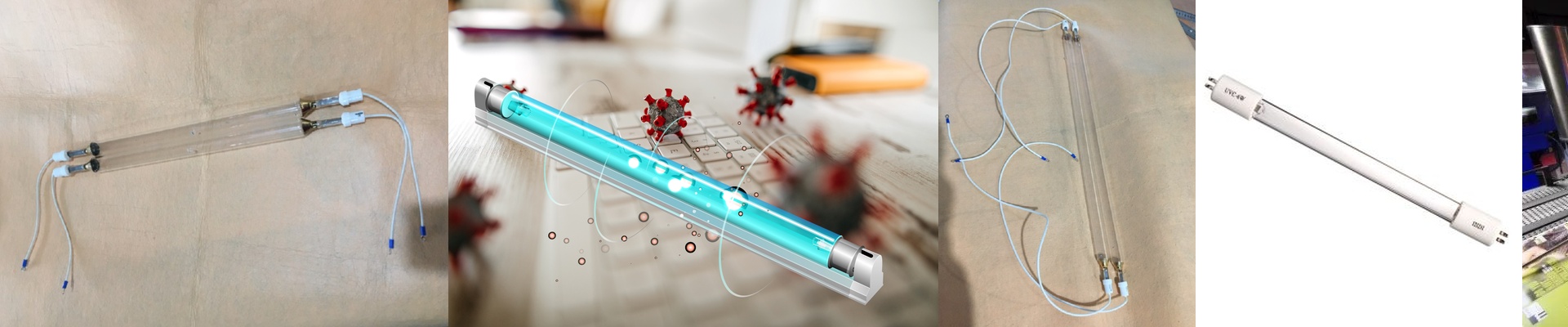
We rolled up to the 2026 Printing Expo with our custom industrial UV modules, and honestly? The crowd practically gathered around our booth. And you know why? Because we weren’t just showing off gadgets. We were showing up for the actual headaches on the factory floor. These aren’t your run-of-the-mill bulbs. They’re engineered systems, built for the messy, real-world demands of industrial disinfection and curing on high-speed printing lines.
What Makes Them Tick: Power, Voltage, and Size
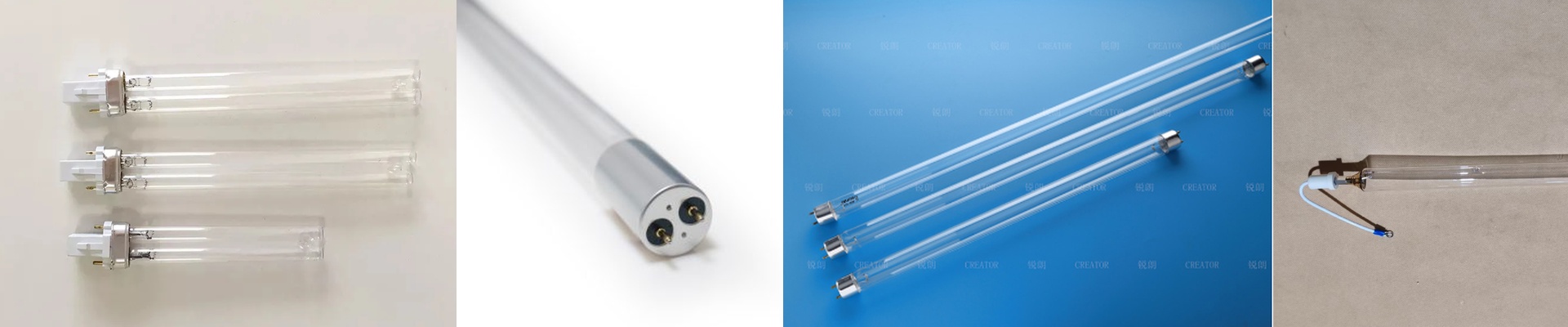
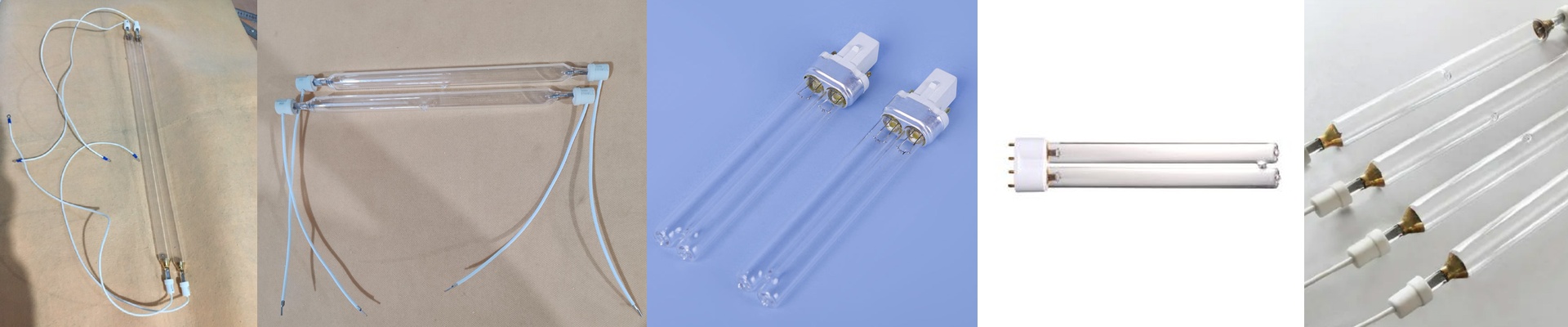
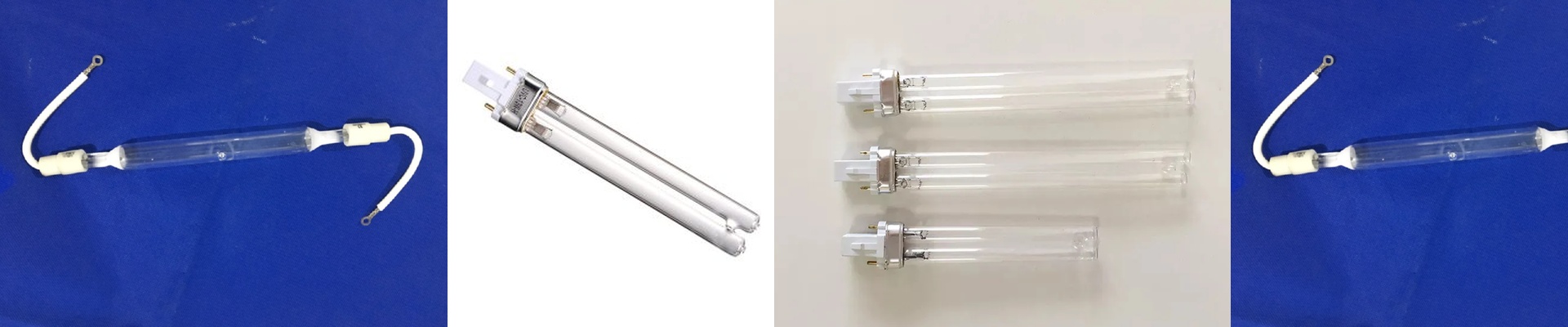
Here’s the thing about our modules: they’re built with serious muscle. That 400V input isn’t just a random number on a spec sheet. It’s there to give you a stable, high-wattage arc discharge, packed into a surprisingly small footprint. And that high-voltage design? It lets us cram a ton of UV energy into a short, 300mm tube. So you get a massive amount of photon output in a tiny package. Perfect for when you’re trying to retrofit a cramped machine bay without tearing the whole line apart.
Built to Last: The Materials and Design Choices
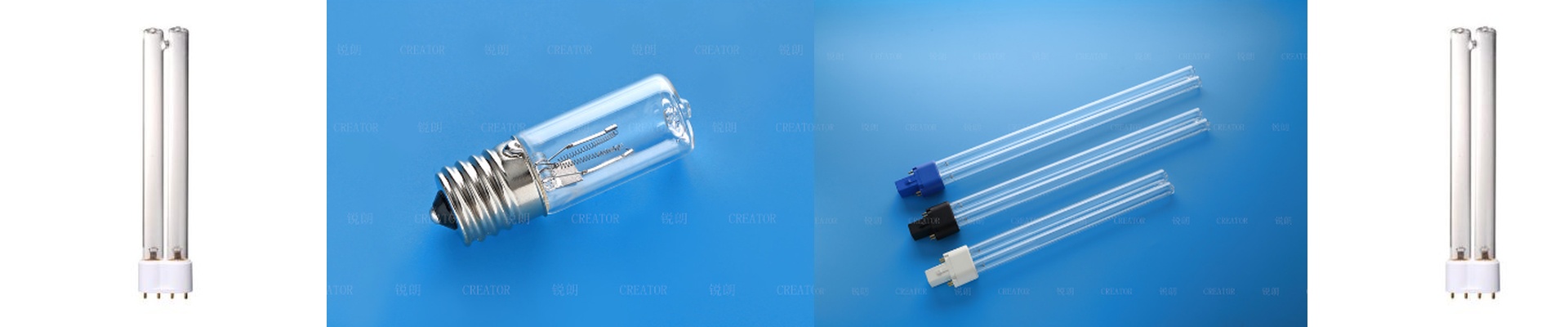
At the heart of it all is a halogen-based UV source, snug inside a quartz envelope. Why quartz? Because it can handle the thermal shock and keep letting the UV light through, where regular glass would just give up. We also added a special coating on the tube surface. It helps manage the heat and keeps the output steady, even when you’re flipping the switch on and off again and again. And for the electrical connection, we went with R7s connectors. It’s a practical choice. They give you a solid, high-current connection that’s easy to wire, and they make maintenance a breeze. Just swap ’em out and get back to work.
Real-World Results: Efficiency, Easy Install, and Heat
In printing and packaging, downtime is money down the drain. Our module setup gives you fast start-ups and high heat density, so you can switch between batches quickly and keep that line humming. The compact design makes installation way simpler, and the standard connectors mean you spend less time rewiring. Now, there’s a trade-off. That concentrated power means your machine’s cooling system has to be up to the task. But if your cooling is in good shape, you get a tough, high-output UV solution that can handle the grind of industrial work, day after day.