Getting Your PCB Production Right with Gallium Iodide Lamps
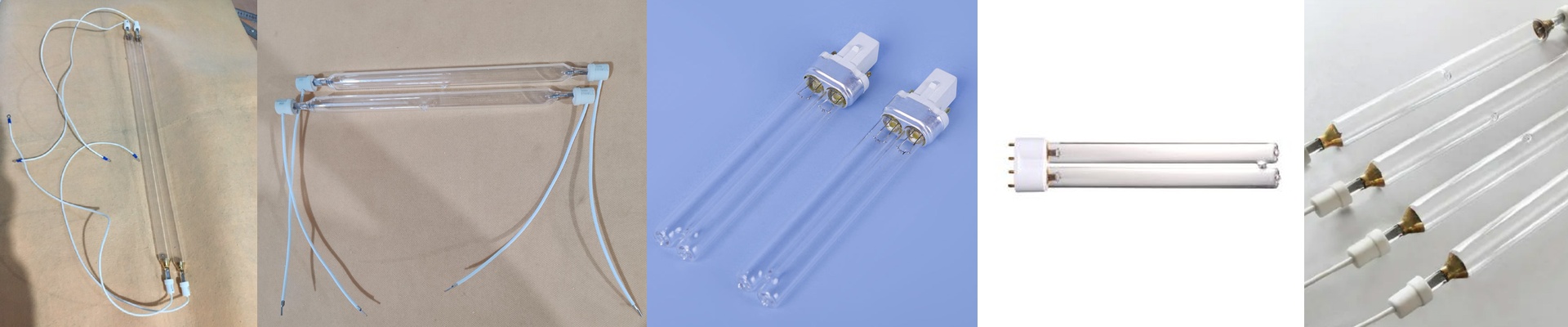
Let’s be honest: standard UV lights often miss the mark when you’re trying to get those high-resolution photo-resists just right. They just don’t hit the right wavelength. That’s why we use Gallium Iodide (GaI) lamps. They shift the light into that 300nm to 450nm sweet spot. Since that’s where most industrial photo-initiators actually do their work, everything just clicks.
How the magic happens
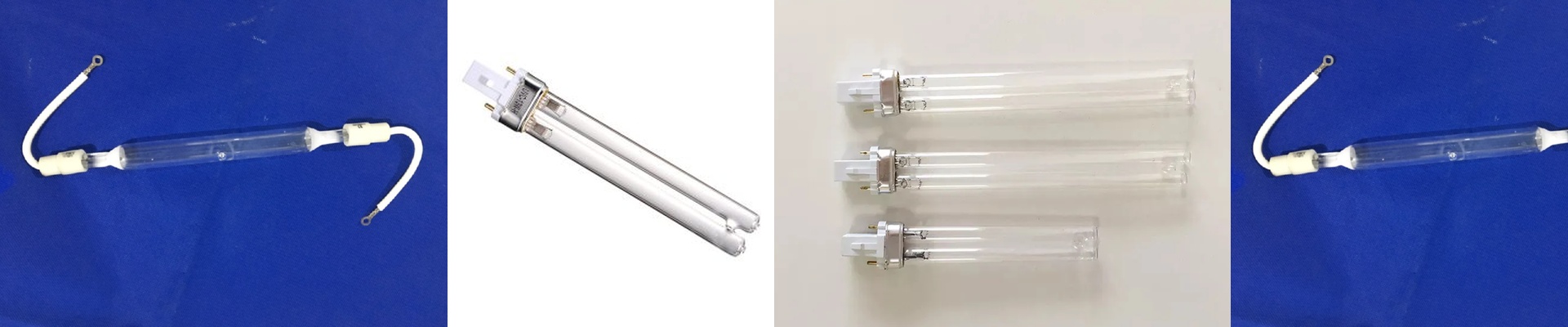
Most people are used to mercury vapor lamps. GaI is different. We’ve tweaked the chemistry inside the quartz envelope to get rid of the short-wave radiation that usually beats up your substrates. Instead, you get a concentrated burst of energy. It punches right through the resist layer without scorching the base laminate. The best part? You can crank up the conveyor speed. You get more boards out the door without worrying about the heat warping your work.
The nuts and bolts
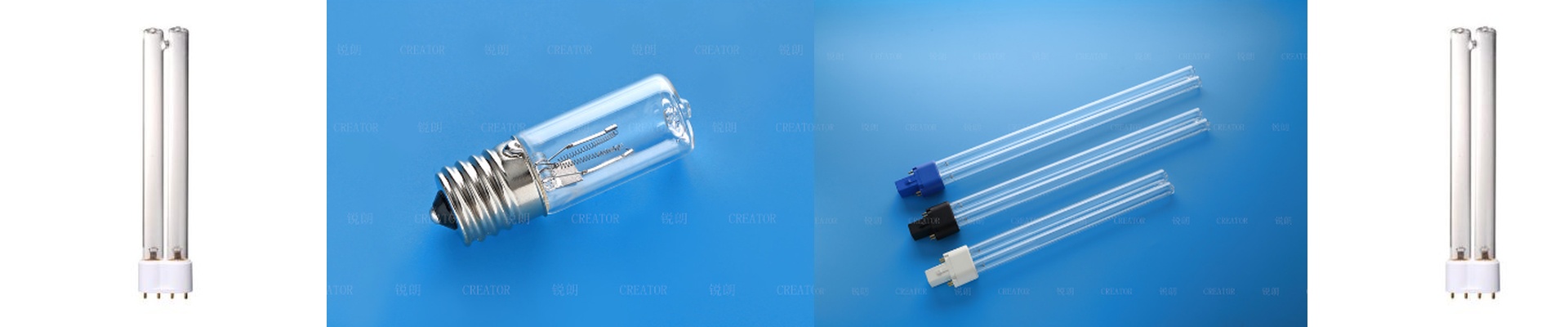
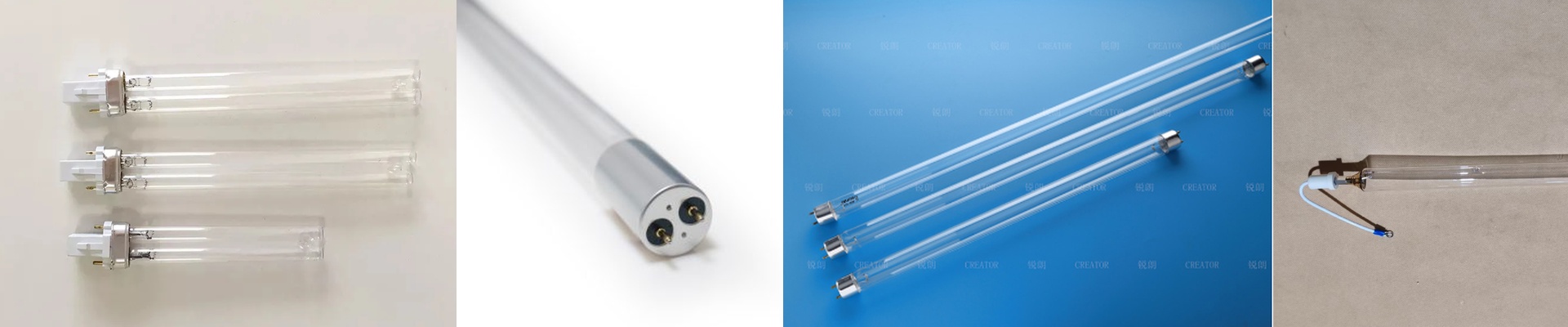
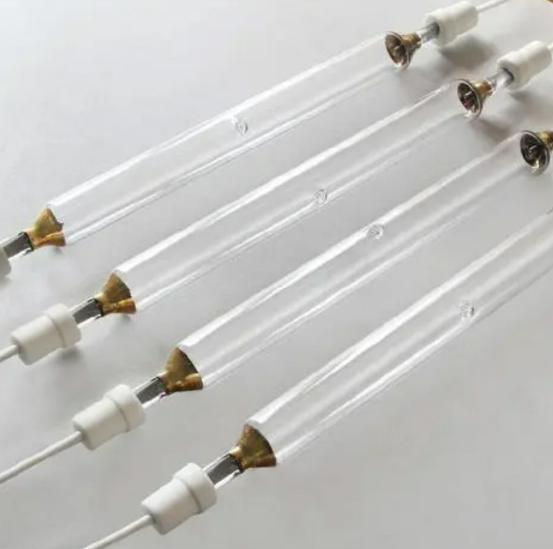
We keep these lamps compact because we know space is tight on the floor. We use high-purity fused quartz so the glass doesn’t cloud up over time—what the engineers call “solarization.” One heads-up: you really need a steady power supply. If your voltage spikes, you’re going to kill the filament faster and your spectrum will start to drift. Also, keep an eye on your heat. These lamps put out a lot of infrared energy. If your exhaust can’t handle the BTUs, your boards will get too hot. That leads to “dark cure” or resist bleeding, and nobody wants to scrap a whole batch because of a bad fan.
Real-world use
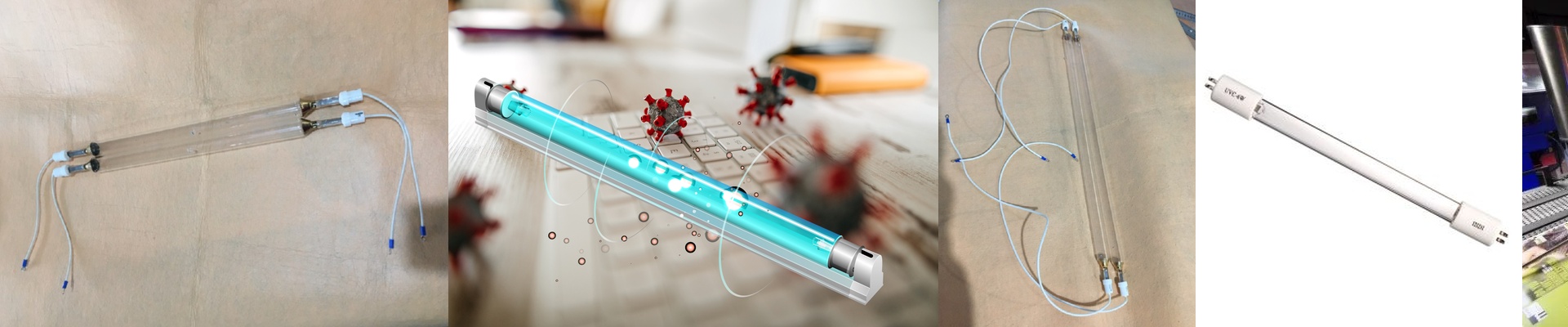
If you’re trying to modernize your shop, these lamps are a great place to start. They aren’t just for curing; they’re the heart of the whole exposure process. We’ve found they work best as a direct swap for those old, tired mercury systems. You get a much tighter match and way less waste. Just a pro tip: keep the quartz clean. Seriously. Even a single fingerprint can create a hot spot that cracks the glass. Keep a clean cloth handy, and you’ll be golden.