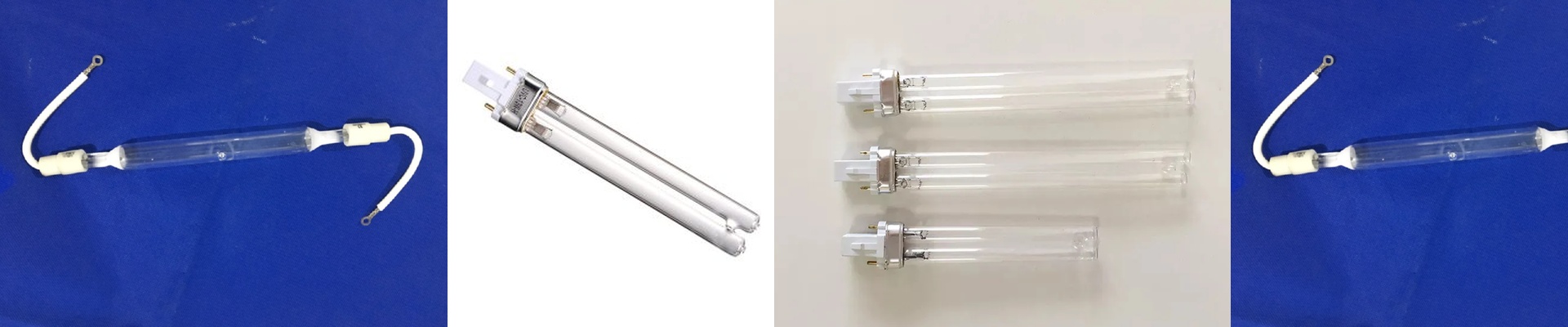
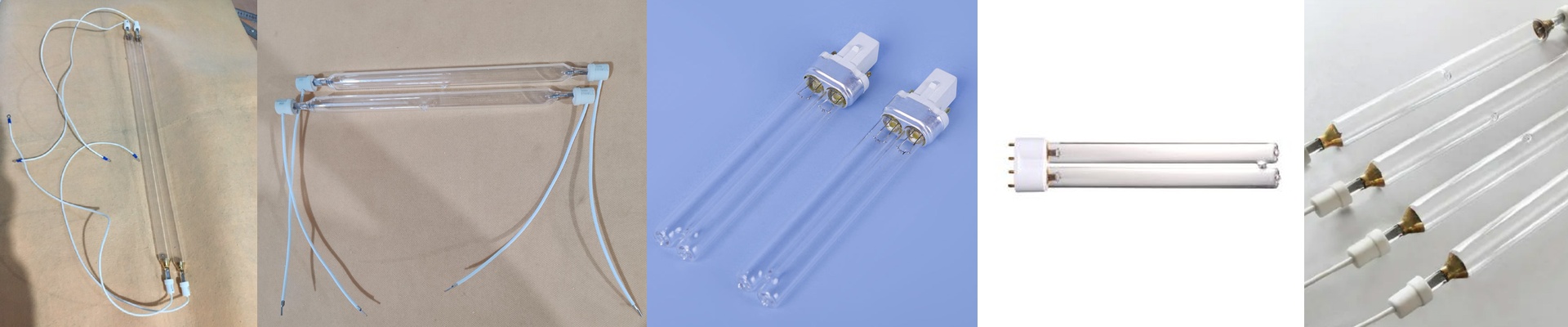
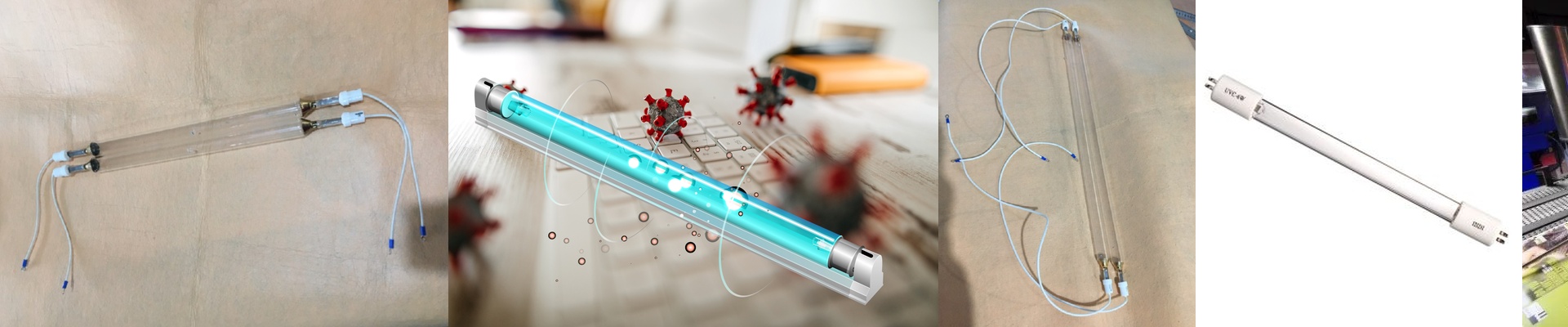
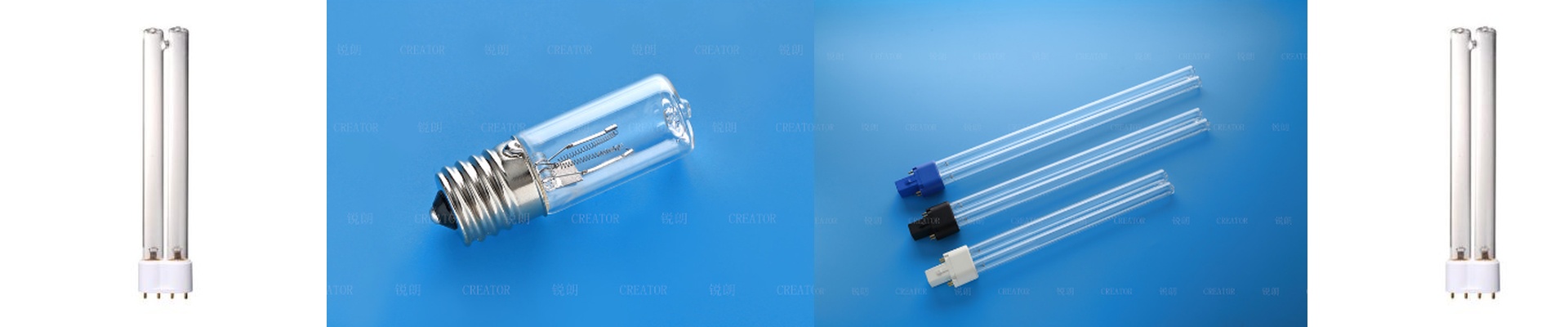
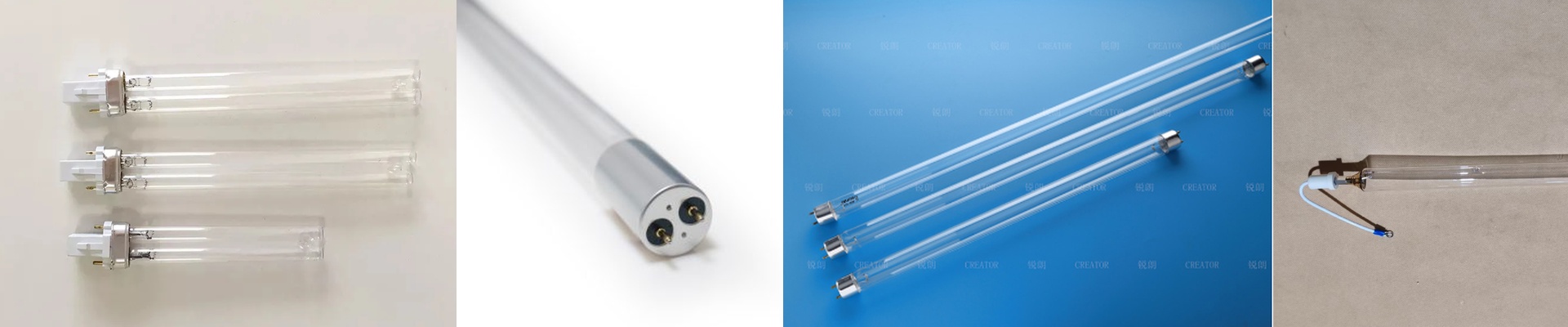
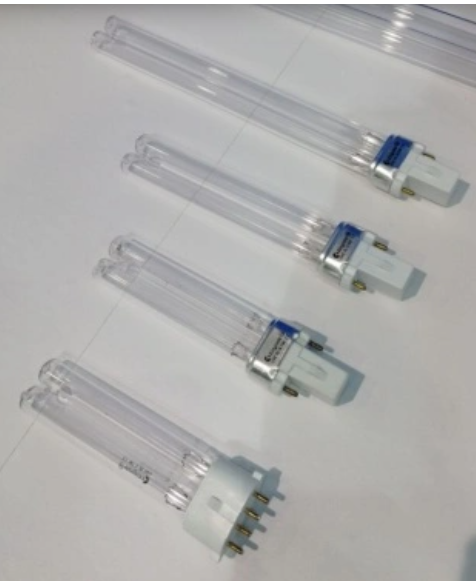
After walking close to 3,000 press floors, one thing keeps showing up the same way: when the UV cure isn’t steady, you pay for it in scrap, rework, and shipments that slip. You need a lamp that fires up immediately, holds its spectral output, and repeats that performance shift after shift. That’s exactly what we built this hot cathode UV germicidal lamp around—plant reality, not wishful thinking. What matters on the technical side This hot cathode lamp gives you stable 254nm output for microbial control, and it starts fast with an arc-stabilized ignition that keeps the line moving. You get consistent irradiance across the active zone, predictable lamp-life decay, and dose repeatability you can count on. The electrode design cuts down the usual end-of-life drop-off, and the quartz envelope plus reflector geometry hold the UV intensity you’d measure with a spectral radiometer. Output is ozone-free, and it drops into the same ballasts and connectors already running on industrial UV curing lines. Why this works in a printing plant In modern printing, curing and disinfection have to keep up with machine speed, period. The lamp’s quick warm-up supports immediate job changeovers, and the stable spectral profile translates into uniform cross-linking—fewer pinholes, better adhesion, and less color shift. Energy draw is matched to line speed without overshooting, so you lower kWh while still hitting the required energy density. Fewer lamp swaps also means fewer spares on the shelf, fewer maintenance windows, and less variance in cure profiles from shift to shift. The details that make it happen Installation comes down to two things: reflector alignment and cooling airflow. Peak irradiance only shows up when the lamp sits in the designed focal plane and stays within the specified operating temperature. Match the ballast to the lamp’s electrical curve—mismatched ballasts push end-of-life earlier and broaden the spectral peak. Before you run full production, verify sensor calibration and your dose targets, and make sure your ink photoinitiators line up with the lamp’s dominant wavelengths.