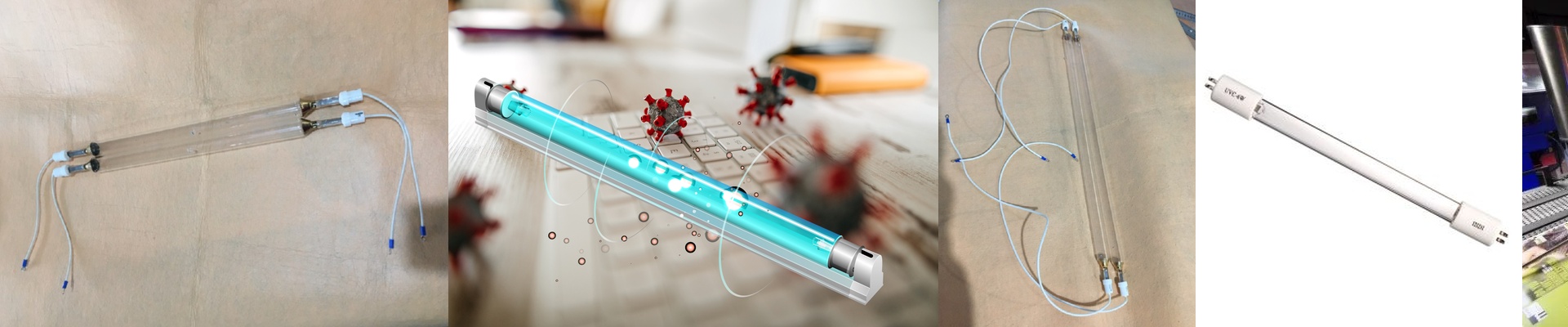
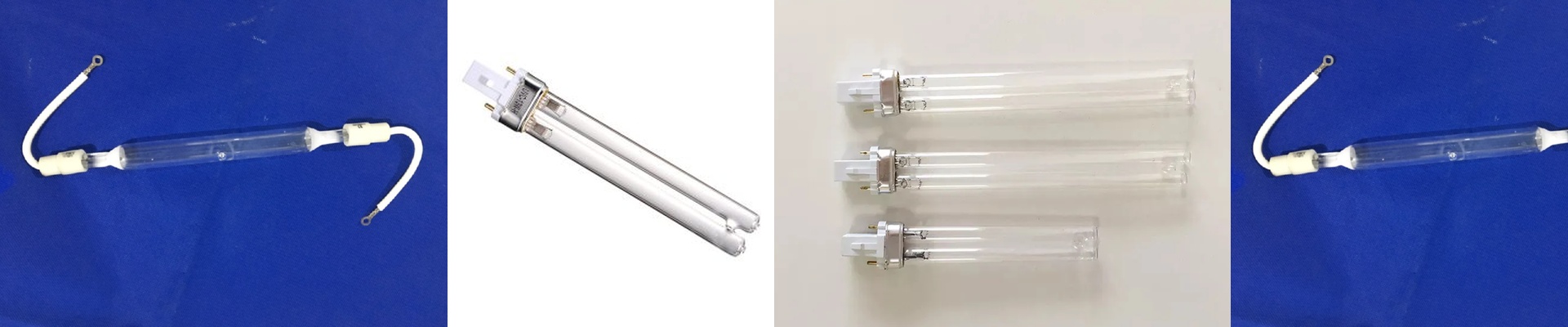
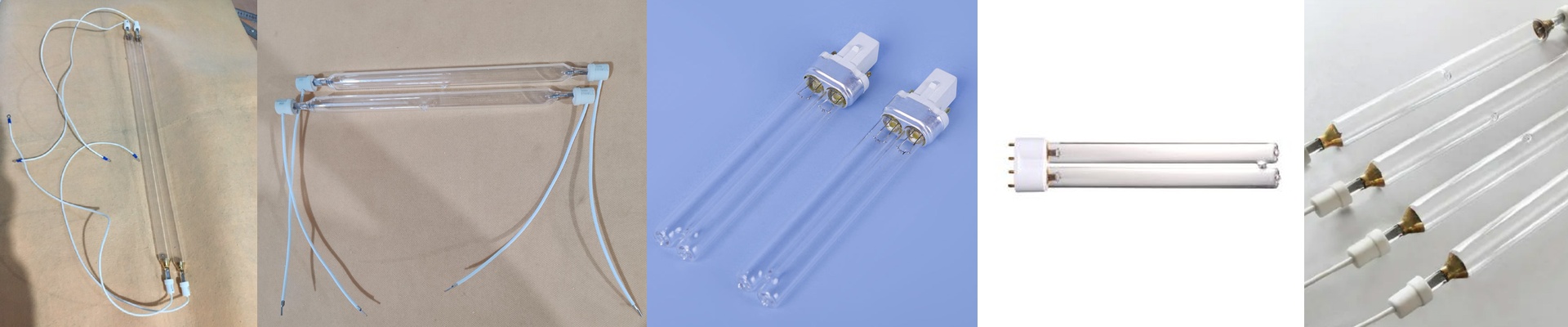
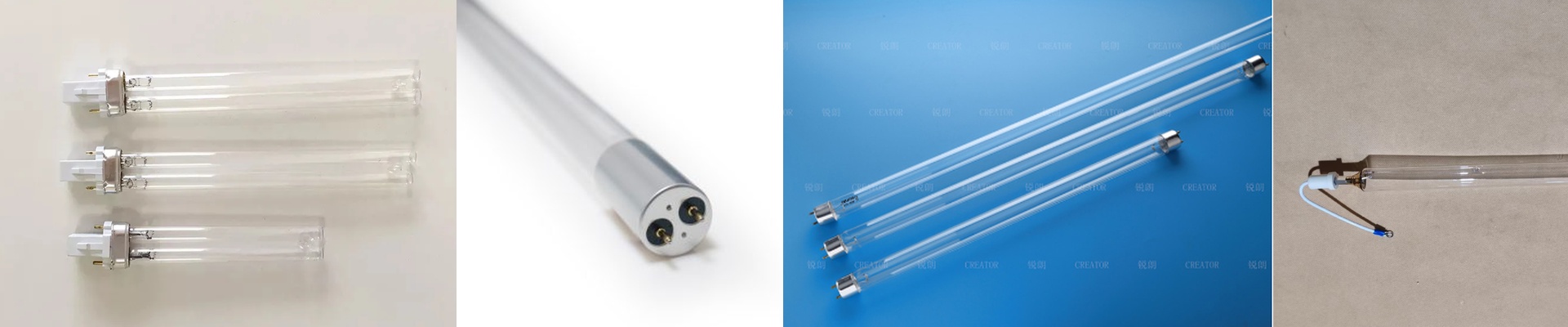
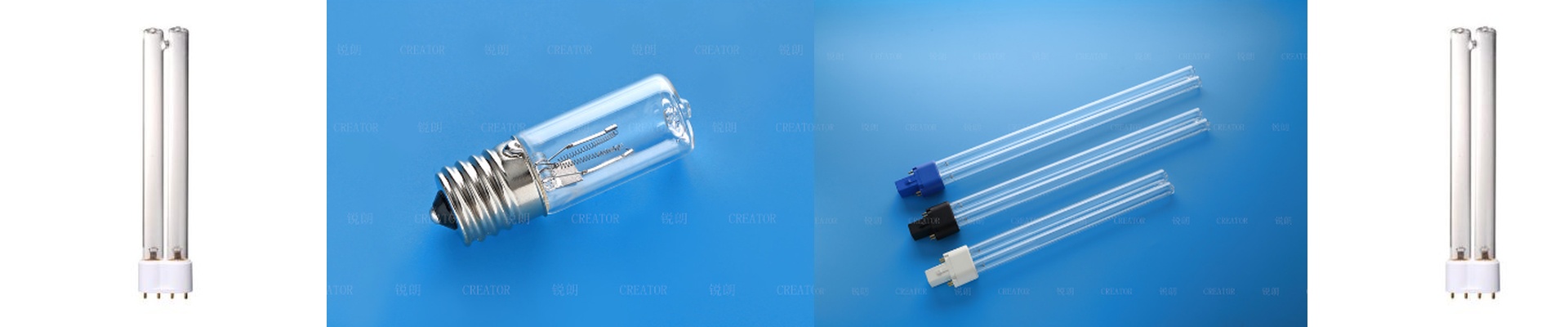
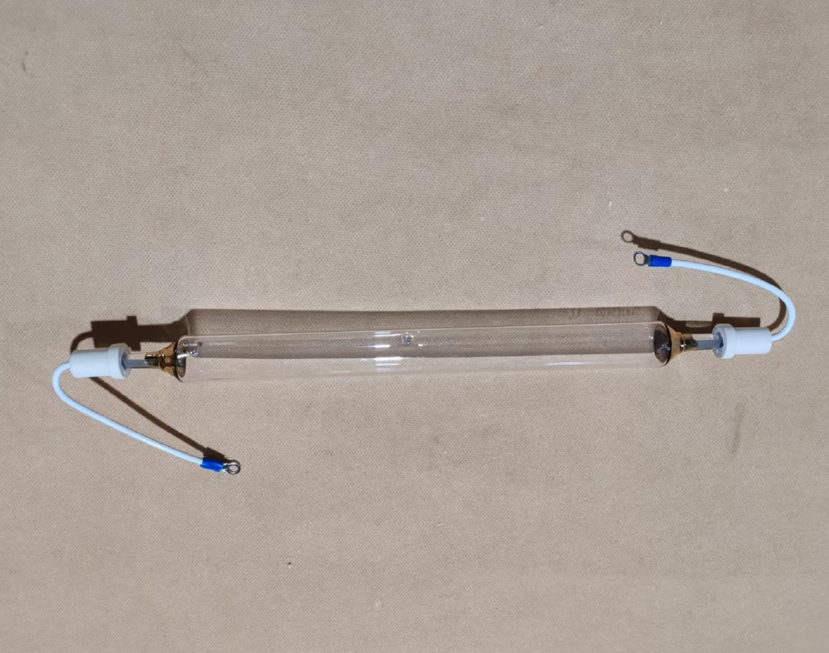
On a press floor with several big machines running side by side, electrical noise and radiative crosstalk aren’t theoretical—they show up as inconsistent cure, pinholes, and surprise stops. We built this UV curing lamp for that reality. In this environment, stability comes down to repeatable irradiance, period. Not hype. What actually matters is controlling the photo-physical chain. We hold peak irradiance within tight tolerance across the high-pressure mercury vapor spectrum, with solid output stability at 365 nm and repeatable spectral balance across 385–405 nm. Arc stability is handled by matching the igniter to the power supply profile, so the lamp recovers fast after each pulse without hunting. The reflectors use a dichroic coating to shape the spectral delivery and cut waste heat, and a low-decay quartz envelope keeps output consistent over time. In practice, that means the substrate sees steady energy density, so photoinitiators trigger predictably and cross-linking stays uniform. Here’s why it holds up here: with multiple machines running at once, the lamp’s interference resistance keeps output steady even when nearby PLCs, servos, and RF sources are throwing noise around. That translates into fewer quality excursions, less make-ready, and uptime you can actually plan around. We routinely see units running 5,000+ hours with less than 5% output drop, which means fewer spares on the shelf and shorter maintenance windows. A few practical notes. The footprint is designed to retrofit into common press-line curing stations, but the reflector geometry and power interface have to match your existing module. Double-check ignition voltage, connector pinout, and cooling airflow—mismatched drives will eat away at spectral consistency. And when you set cure, measure with a spectral radiometer at the web, not at the lamp face, so you’re setting the true energy density your ink system needs.