Introduction
Let’s cut to the chase. We build UV curing lamps for production lines where precision and staying up and running aren’t just goals—they’re the whole point. And we’re taking things a step further now. We’ve built a new smart UV system with remote energy monitoring baked right in. Think of it as more than just a lamp. It’s a data-savvy tool that puts you in complete control of your process.
Getting Under the Hood
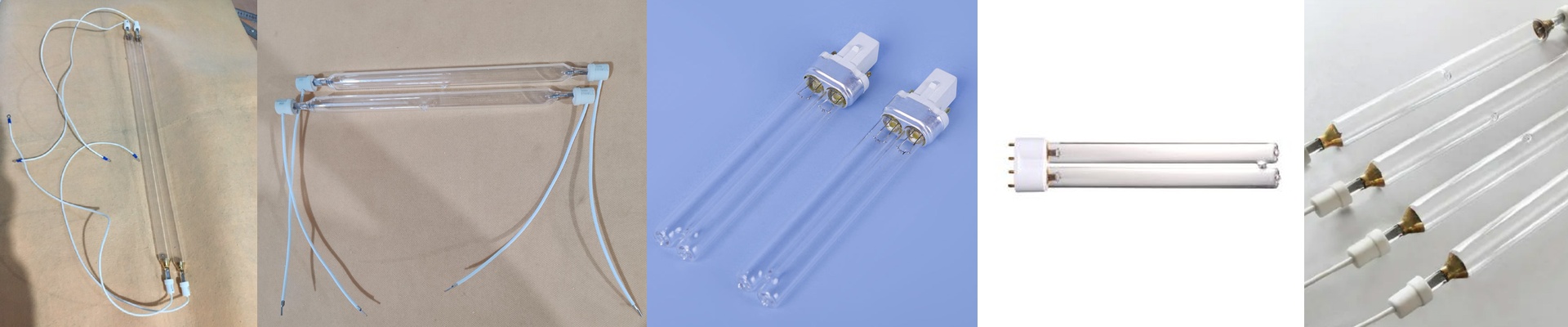
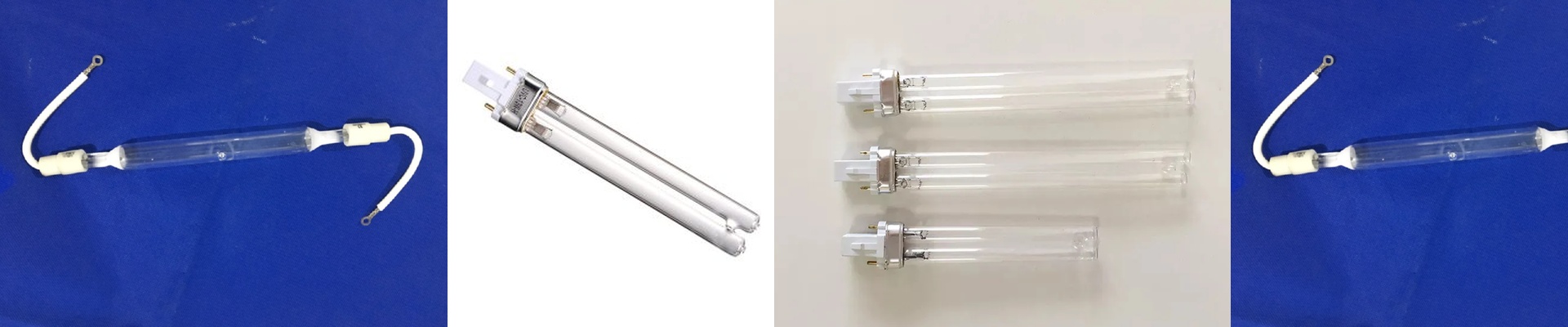
These systems are all about packing in serious UV power, which means the electrical side has to be rock solid. We tailor the voltage and wattage to exactly what your line needs—whether that’s a full-on 400V setup for a big industrial environment, or something lower-voltage for a quick retrofit. The size? We build it to fit your space. For example, a 300mm tube focuses the arc into a tight, precise curing zone. Push the wattage, and you get the photon density you need for fast, clean polymerization. And with remote energy monitoring, you’re getting a live feed on power draw, arc stability, and the lamp’s overall health. The payoff? You catch small drifts and inefficiencies long before they start hurting quality or slowing you down.
The Materials That Make It Work
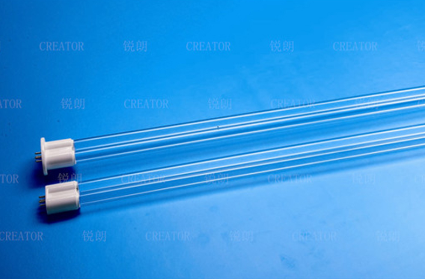
UV curing is a tough job. The materials have to handle serious heat and deliver the exact spectrum you need. That’s why we use quartz envelopes—they’re chosen specifically for their ability to transmit UV light withstand high temperatures without breaking a sweat. Inside, the coatings are picked to shape the light’s spectrum, hitting the exact peak wavelengths your photoinitiator chemistry is looking for. Then there’s the connectors. We keep it practical with R7s and Sk15 terminations. They give you a secure, high-current connection that you can swap out fast when you’re on the line. They’re built for repeatability—true drop-in replacements that make changeovers quick and painless.
What It Feels Like on the Line
Out on the production floor, this setup gives you curing you can count on, day after day. You get precise control over the energy you’re putting in, and that consistency is a game-changer. With the remote monitoring, your engineers can keep an eye on performance across shifts without ever stopping the line. Now, here’s the trade-off. More wattage and tighter spectral control mean more heat. So, your cooling system has to be up to the task. Airflow, heat sinking, and thermal management are absolutely essential. But when everything is integrated the right way? You get rock-solid curing, less wasted energy, and far fewer surprise stoppages. Just the way you want it.