Introduction
Let’s get straight to the point. We make UV curing lamps for medical device manufacturing—the kind of place where there’s absolutely no room for error. You need a light source you can trust, day in and day out. One that gives you the same output every single time, fits right into your existing setup, and can handle the relentless pace of 24/7 production. That’s what we build. Plain and simple. Our whole focus is on giving you consistent, reliable curing, right there on the line, without the drama.
The Inside Story
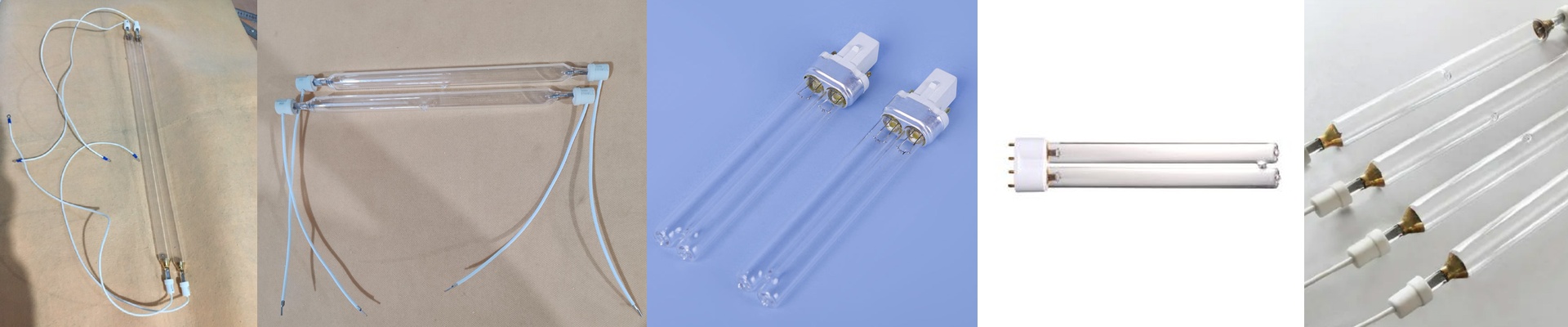
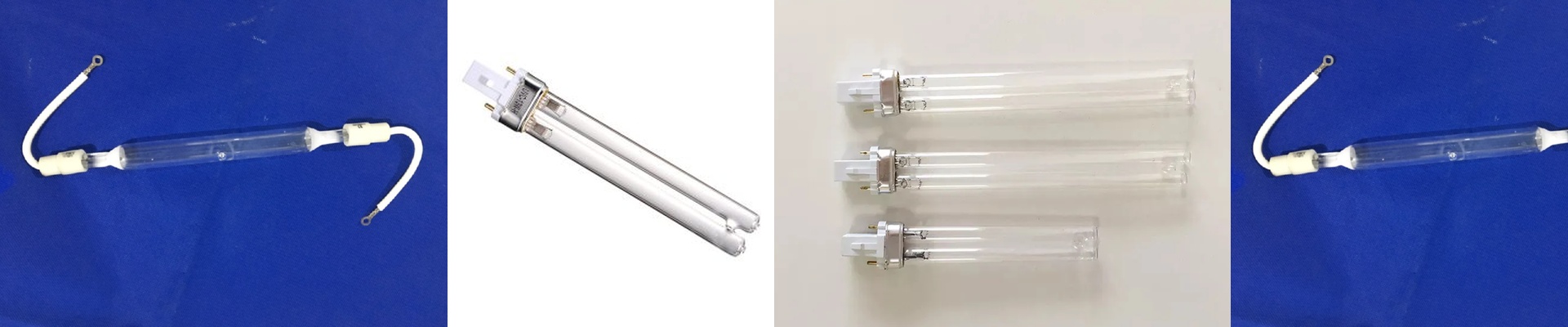
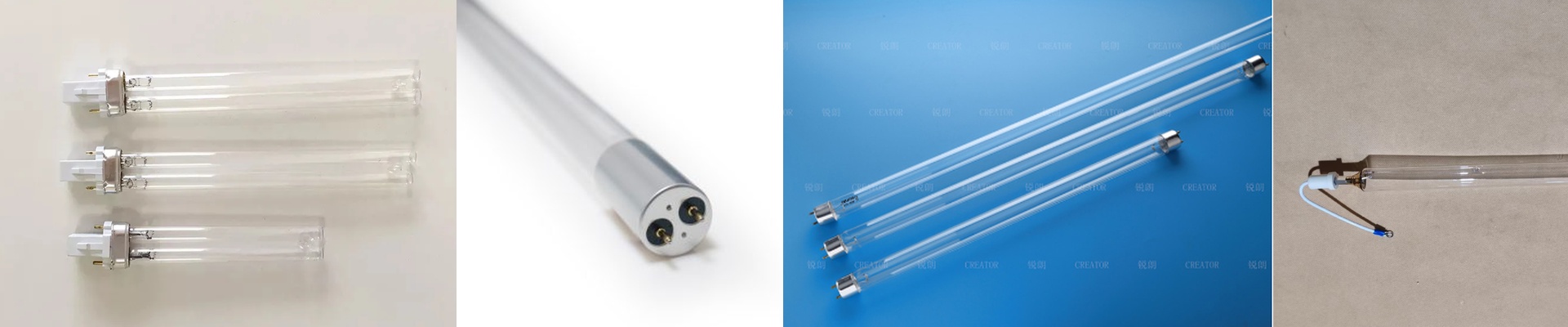
Here’s the thing about our medical-grade UV lamps: they’re all about packing serious power into a small, tidy package. We run them at high voltage, typically around 400V, to get the arc working efficiently. This delivers the high wattage you need—often around 2500W—but from a short tube, usually about 300mm long. The result? A concentrated blast of UV light right where you need it. This is exactly what you need for fast-curing adhesives and coatings on those tiny, delicate parts. And the best part? The compact size means you can slip this lamp right into your current fixtures. No need to overhaul the whole station.
Built to Last
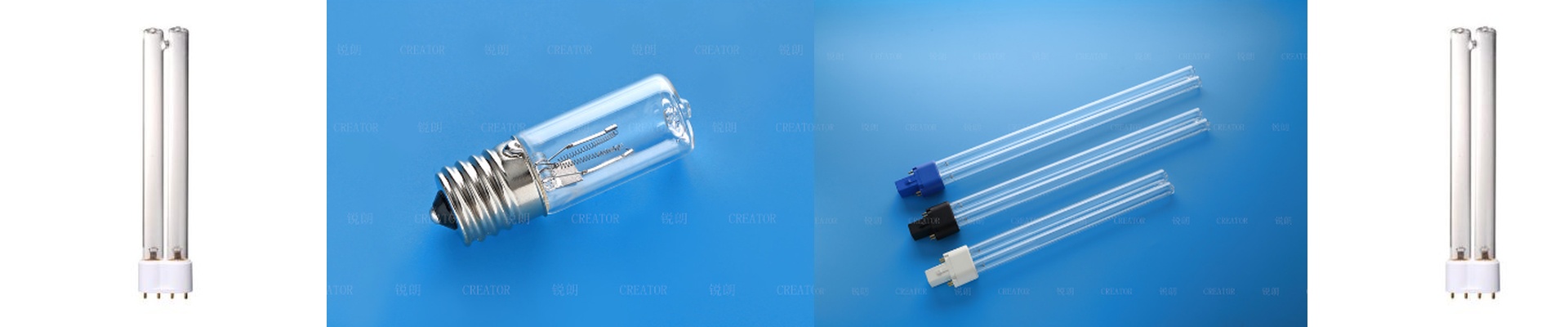
We chose a quartz envelope for a reason. It just flat-out works. It lets the UV light through consistently and can handle the heat without cracking under pressure. Inside, the coating is carefully tuned to focus the energy right where your photoinitiators need it most. We also use halogen technology to keep the filament temperature rock-steady, so the light intensity stays stable, even during those long production runs. Then there’s the R7s connector. It’s a practical, no-fuss choice. It snaps in quickly, makes a solid connection, and won’t let you down, even with all the vibration from automated equipment. It’s a true drop-in replacement, so swapping a lamp on the floor is quick and painless. No rewiring needed.
What It Means for You
On the medical device floor, these lamps handle everything from curing adhesives on catheter assemblies to coating sensor housings. The high power density means you get a faster cycle time, which is a huge win. But, and this is important, that power needs proper cooling. Make sure you have enough airflow or water cooling planned out. Otherwise, things can run too hot—both the lamp and the parts—and the light output starts to drift. Keep the lamp running within its rated voltage, and you get predictable results and a longer life. Fewer burnouts. Less downtime. And the peace of mind that comes from consistent, high-quality parts. That’s the feeling you get when your equipment just works.