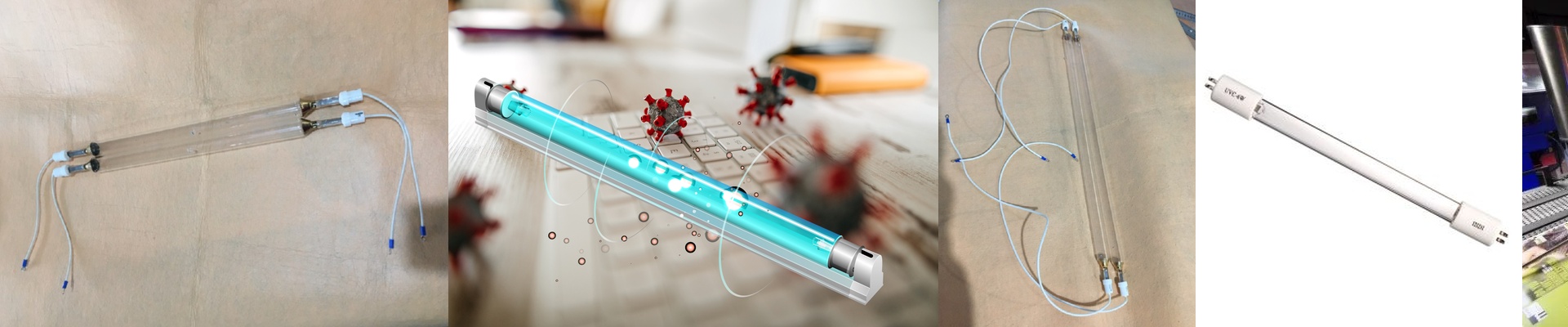
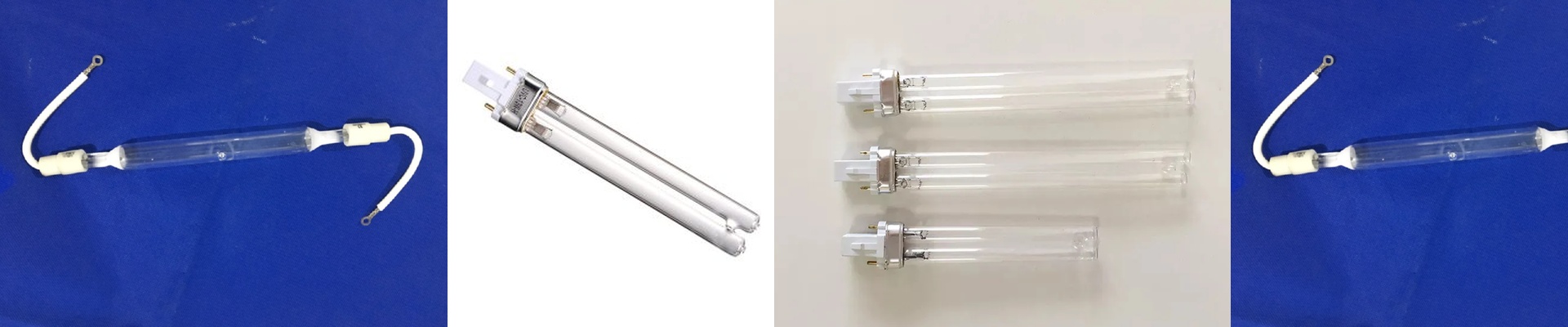
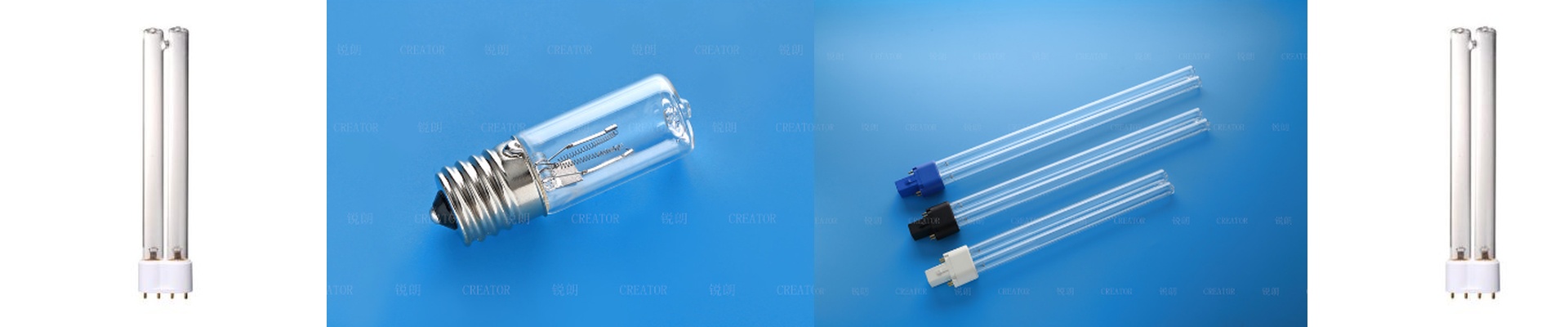
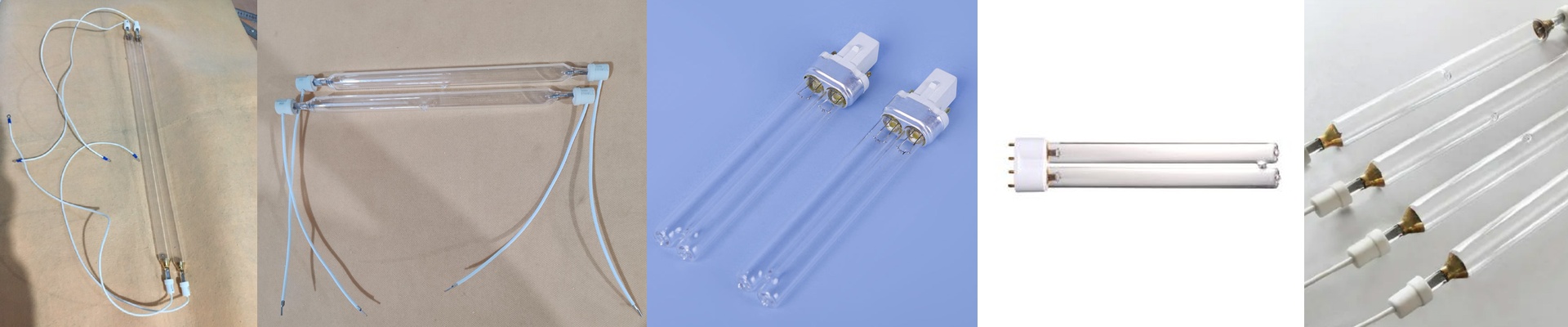
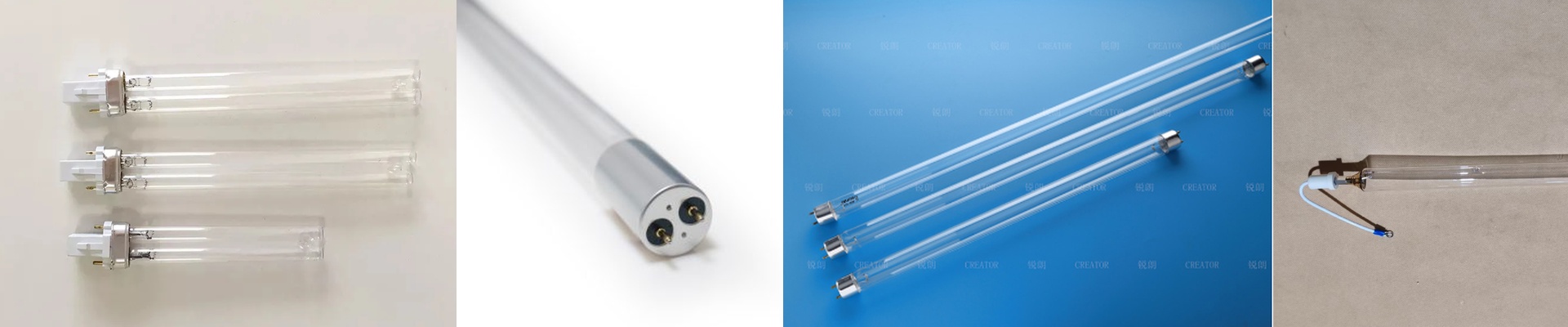
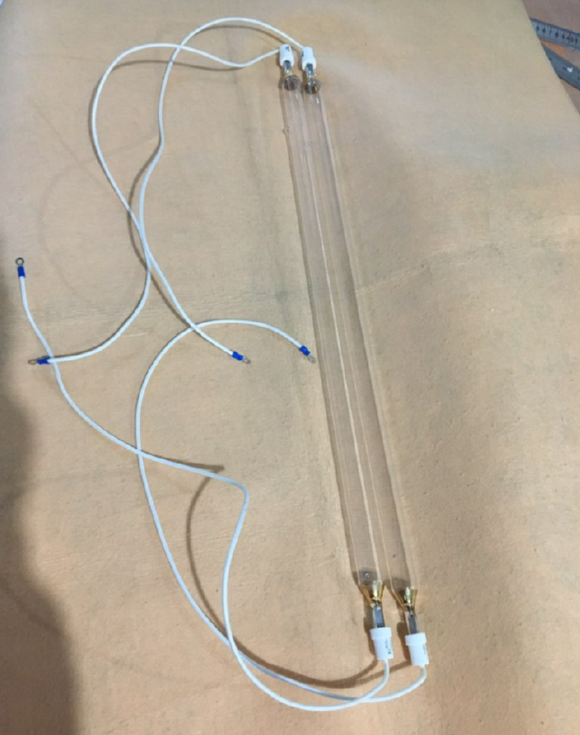
On a food line, microbial load isn’t a whiteboard topic—it’s CFU per square centimeter, and contamination downtime shows up as recalls. Hitting 99.9% broad-spectrum sterilization with UVC comes down to holding a repeatable dose window, and that starts with the electrical interface that keeps the lamp steady under continuous duty.
What matters, technically
A 4-pin UV lamp connector isn’t some generic fitting. It’s a purpose-built interface for high-intensity discharge (HID) UVC lamps, engineered to carry both the ignition pulse and operating current without arcing or contact resistance drift. In a high-throughput food workshop, the lamp runs at high power density, and the connector has to keep contact geometry consistent. The 4-pin layout separates ignition from main power, which cuts electromagnetic interference that can throw off the ballast’s closed-loop control. That matters because UVC output tracks arc stability: a 2–3% current ripple can translate into measurable output ripple, and that directly changes delivered dose. Paired with an ozone-free quartz sleeve and a true 254nm output profile, the system is set to deliver a minimum 40 mJ/cm² at the product surface—enough for broad-spectrum inactivation of bacteria and protozoa.
Why this fits the job
Food safety needs repeatable lethality, not “some days strong, some days weak.” The 4-pin connector lets you swap lamps quickly without rewiring, so changeover is faster and you get the designed dwell profile back on track sooner. When the lamp seats right, the ballast holds the specified arc temperature, and the UVC spectral output stays where it needs to be for DNA/RNA damage. The payoff is a process you can audit: stable irradiance, predictable lamp life, and fewer surprise stops.
The details that keep it honest
The connector is only as reliable as the mating cycle. Repeated handling can introduce tiny misalignment and contamination on the pins, which drives up contact resistance and can cause intermittent lamp flicker. Go with a locking 4-pin latching mechanism and keep mating surfaces clean. Spec connectors rated for the ballast’s peak ignition voltage—and for the washdown environment. You only get the performance when lamp, ballast, and connector are specified as a matched set.