Using UV-C in the Textile Shop
Most people think UV germicidal lamps belong in a hospital wing, but they’re actually a secret weapon in textile plants. We use them for everything from killing off microbes to curing resins, starting right at the raw fiber stage and going all the way to the final garment. You’ll usually see them tucked into fabric rollers, finishing ovens, or right at the end of the line in clean-room packaging.
Getting the Dosage Right
The magic happens at 253.7 nm. That’s the sweet spot where the radiation actually breaks the DNA bonds of the germs. But here’s the tricky part: it’s a balancing act. You have to weigh your lamp wattage against how fast your conveyor is moving. If you crank the speed too high, you won’t hit the sterilization threshold and you’re basically just wasting electricity. But if you go too slow? You risk ruining the synthetic fibers. It’s a fine line.
The Gear and the Danger
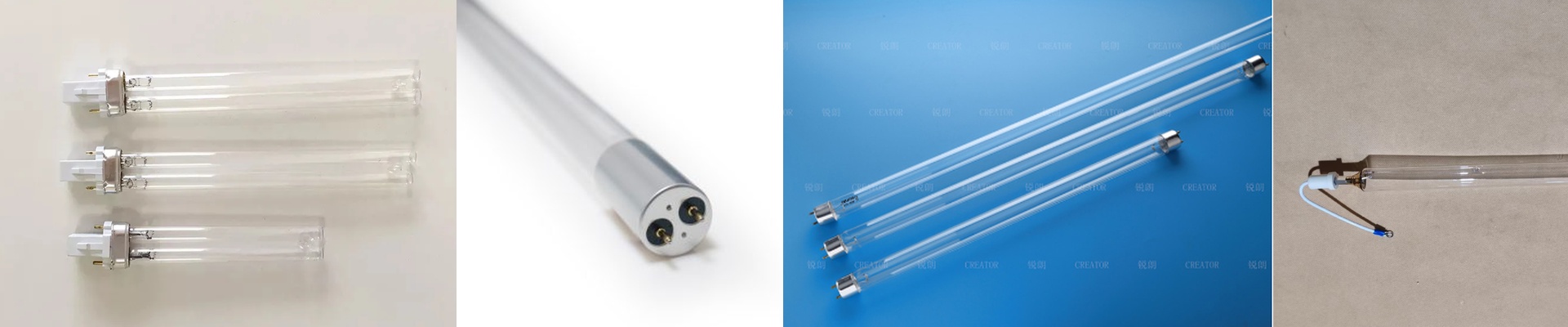
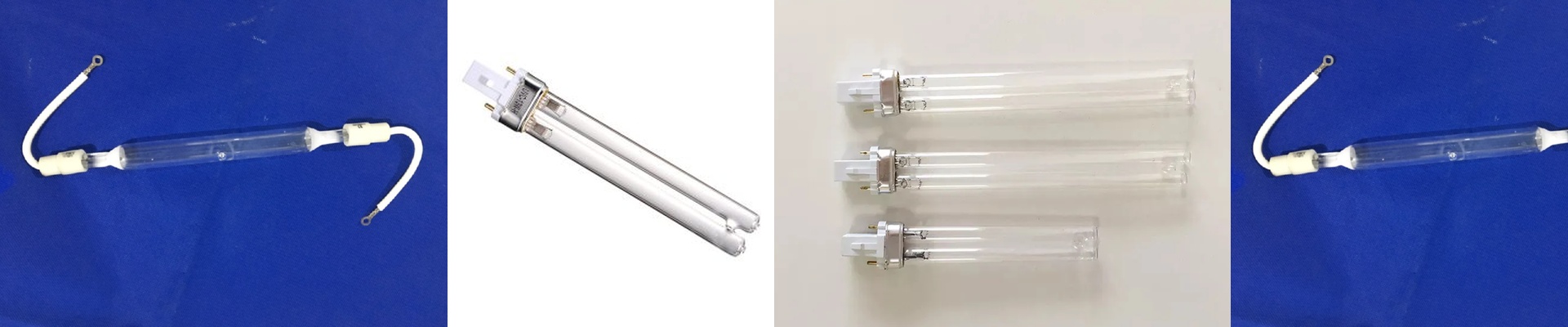
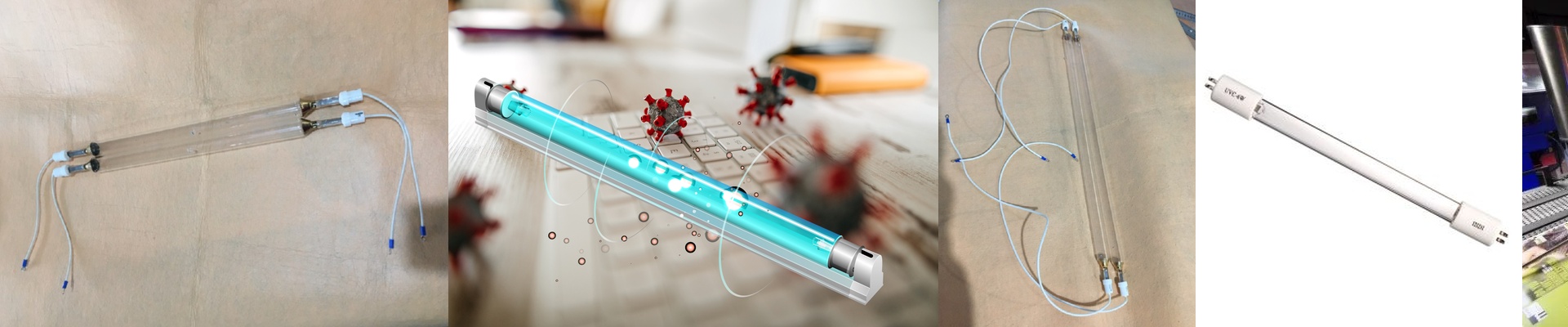
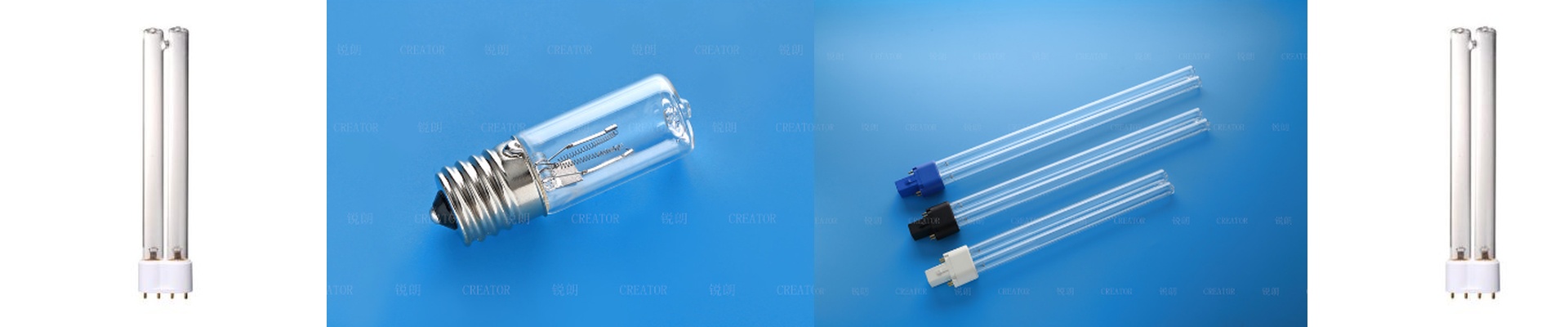
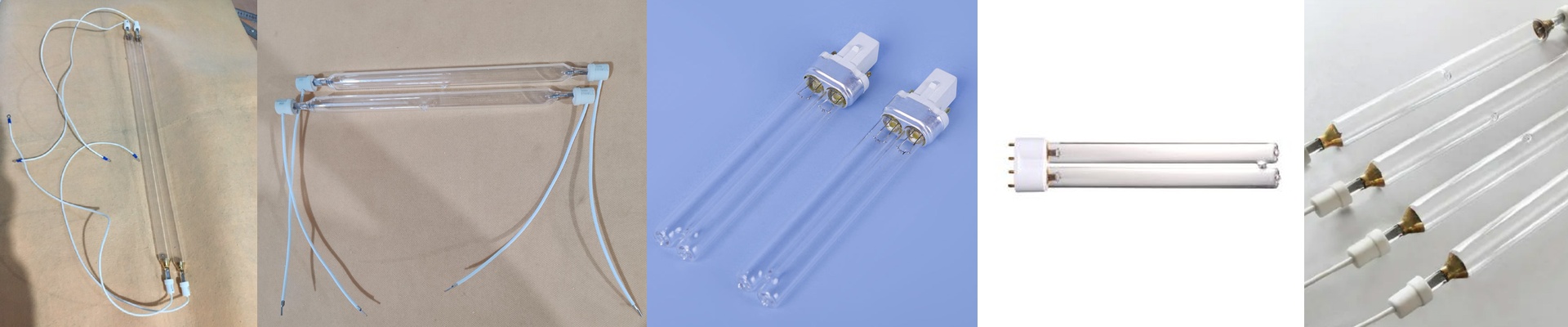
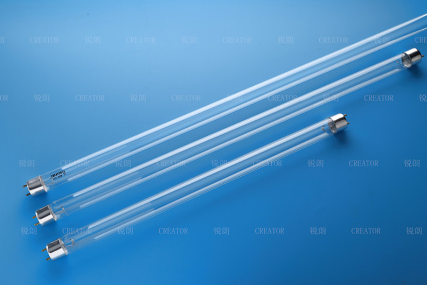
We don’t use regular glass here—it blocks the UV. Instead, we use high-purity fused quartz sleeves to protect the arc. You’ll also want ballasts that can handle the strike voltage without that annoying flicker. Now, let’s talk about safety, because this is where things get serious. UV-C can burn your skin and wreck your eyes in seconds.Seconds. You can’t just put up a “Caution” sign and hope for the best. We build these lamps into shielded tunnels with interlocking switches. The moment someone opens an access door, the power cuts. Period. The hardware has to kill the arc physically because humans make mistakes.
The Trade-offs
High-output lamps are great for thick fabrics, but they run hot. Really hot. If you aren’t careful, that heat can warp delicate polymers or leave a nasty yellow tint on white fabrics. To stop that from happening, you’ve got to use forced-air cooling or leave a specific gap between the lamp and the cloth. And one last thing: keep those quartz tubes clean. It sounds simple, but a bit of dust buildup on the sleeve can tank your UV output by 30% in a single shift. It’s a pain, but it’s mandatory.