Getting Your Custom Gallium Iodide UV Lamps Right
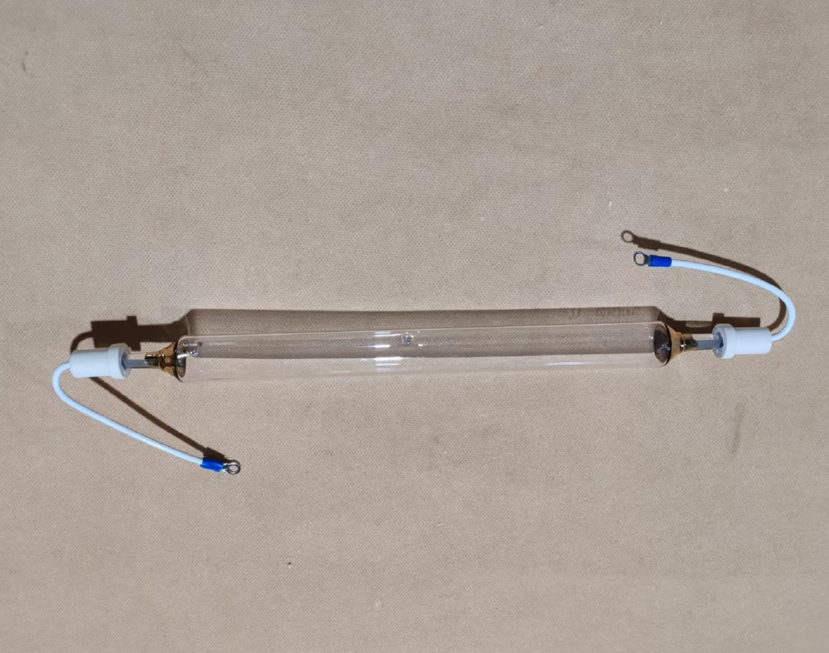
Standard mercury vapor lamps are great until they aren’t. When you’re dealing with thick coatings or tricky photopolymerization, you hit a wall. That’s where Gallium Iodide (GaI) comes in. We build these specifically for those moments when you need a very precise UV-A or UV-B peak to actually get the job done. The tricky part? Power scaling. Most people mess up the relationship between wattage and tube length. We don’t just guess; we look at the actual irradiance you need on the surface of your product. Sure, you can crank up the voltage to get more power out of a smaller lamp, but your ballast will feel the strain. And if you go for a high-wattage short-tube setup, you’ve got to be obsessed with your cooling. If you can’t pull the heat away from the quartz fast enough, your lamps are going to burn out way sooner than they should. It’s all about the materials. We use high-purity synthetic quartz. Why? Because regular glass blocks the very wavelengths you’re paying for. The electrodes are tungsten, which means they can handle the heat of turning on and off without falling apart. Then there are the connectors. This is where things usually go wrong. In a hot, vibrating environment, a loose fit is a nightmare—it leads to arcing and voltage drops. We make our terminals drop-in replacements. You just swap them out and get back to work without the usual downtime headache. Making it your own. If you’re an OEM, we can handle the branding and the electrical specs for you. You tell us the spectral requirements, and we’ll tune the gallium concentration until it’s exactly where it needs to be. But here is a heads-up: GaI lamps don’t just “snap” on. They have a different warm-up curve than mercury lamps. There’s a bit of a lag before they hit full power. If your conveyor belt is screaming along at full speed, you’ll end up with tacky, half-cured surfaces. You have to balance your line speed with that ramp-up time. Get that timing right, and everything cures perfectly.