Stopping the Tacky Ink Nightmare: A Better Way to Handle UV Curing
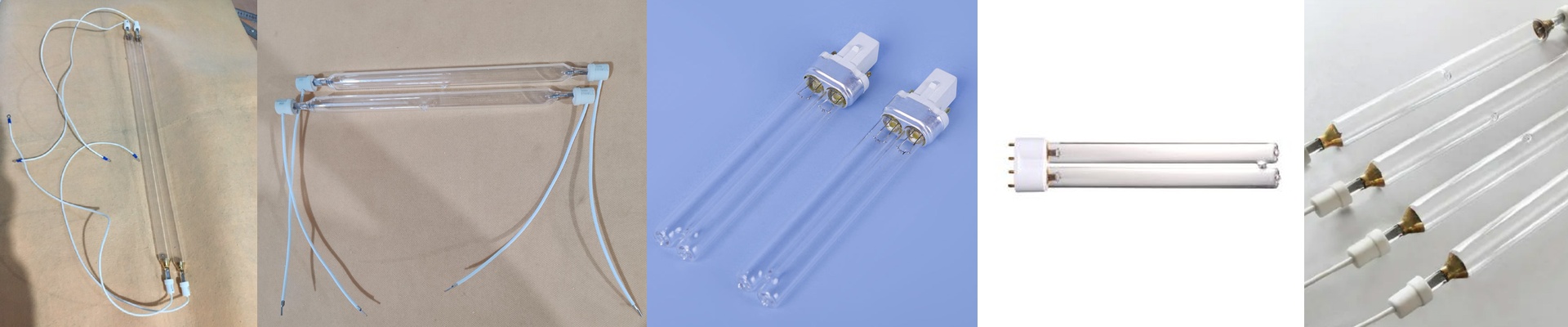
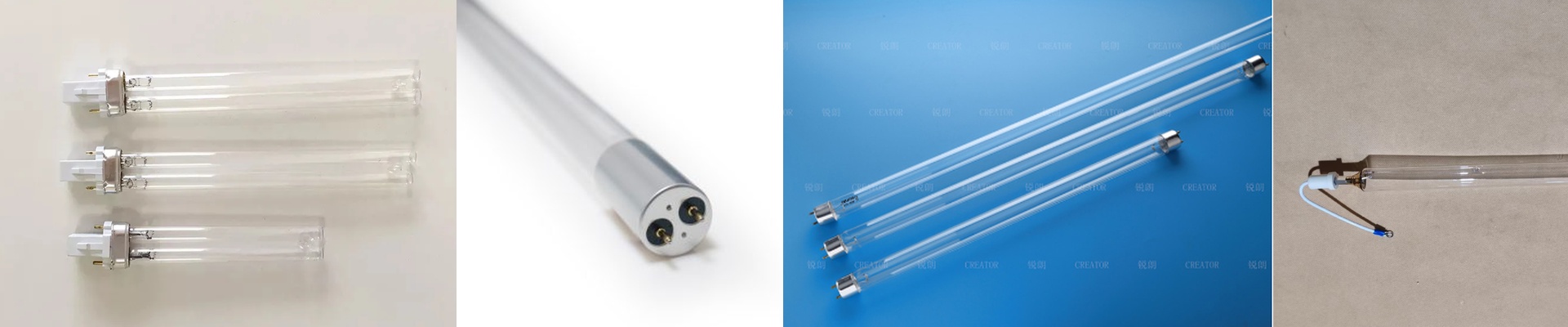
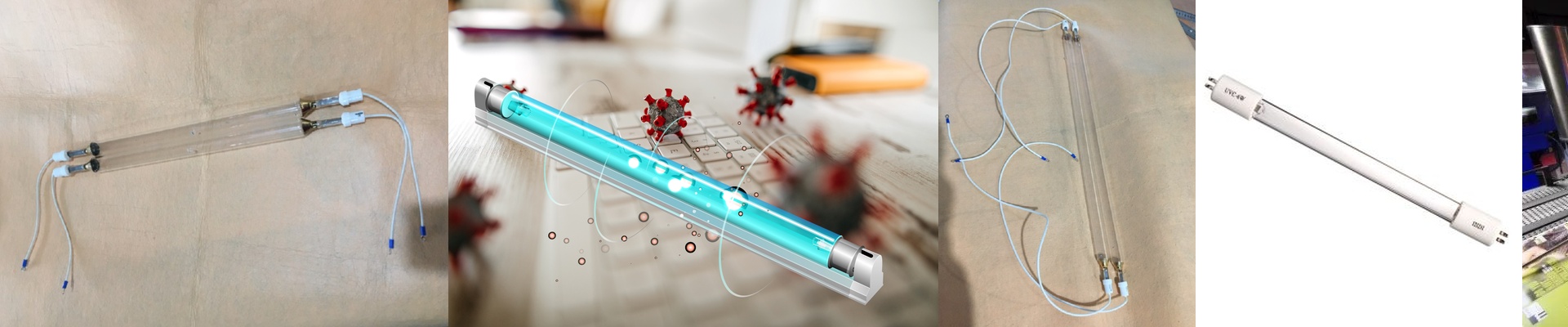
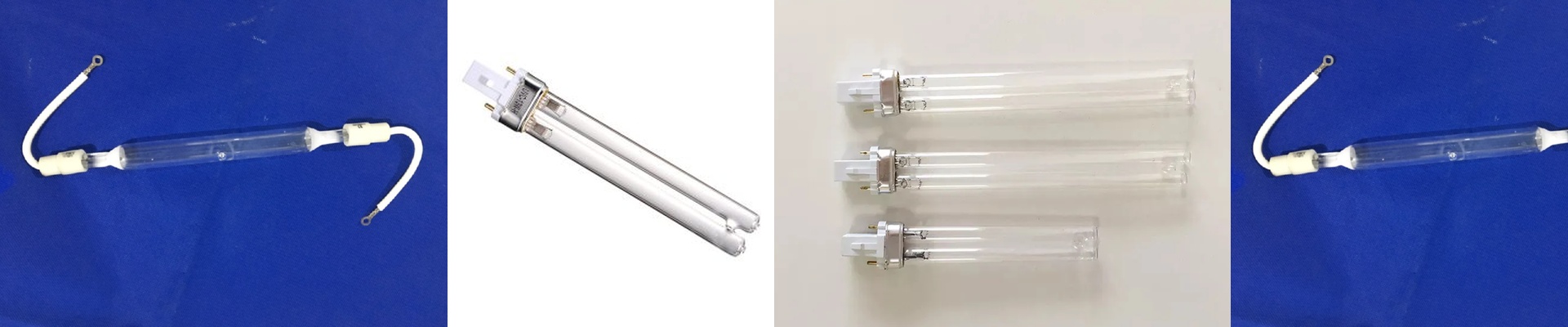
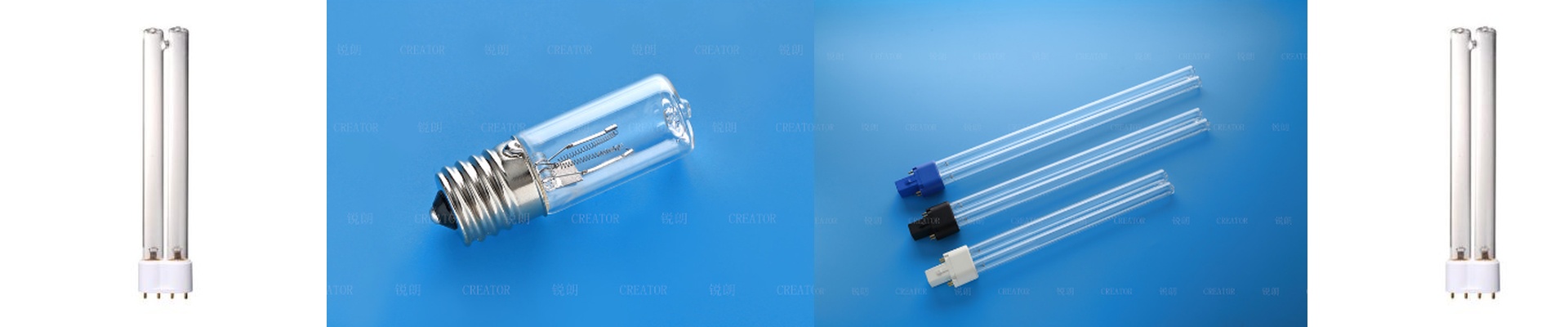
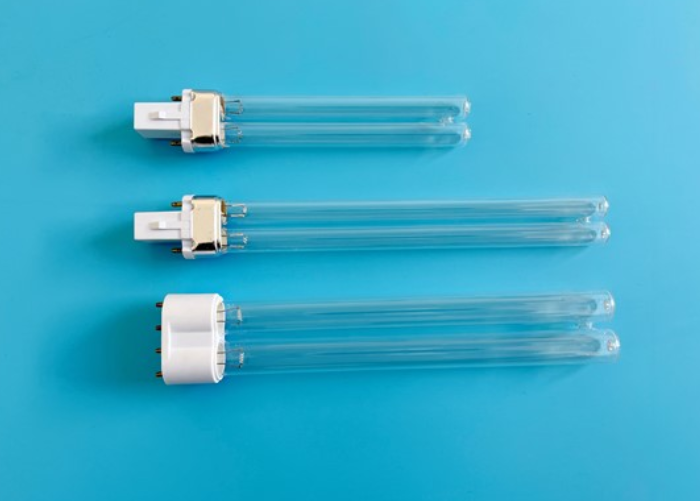
We spent some time at the 2026 Printing Exhibition showing off our custom UV lamp modules. But here’s the thing: we didn’t want to just build another “off-the-shelf” part. Generic parts usually fail the second they hit a real production floor. We built these to handle the actual grit and stress of a high-speed line. Getting the power right It all comes down to how much punch you can pack into the length of the tube. If you crank up the power density, the ink cures faster. Simple. That means you can push your conveyor speed higher without worrying about the ink staying tacky or smudging. But it’s not just about raw power. It’s about the right “flavor” of light. Some inks need 365nm to cure deep into the material, while others need 395nm just to flash-dry the surface. We tweak the gas mix and the electrodes so you get exactly the wavelength you need. No guesswork. Dealing with the heat High-wattage lamps get hot. Really hot. To stop them from cracking under the pressure, we use high-purity quartz envelopes. They let the UV light through perfectly but can take a beating from thermal shock. We also reinforced the connectors because nobody wants to deal with arcing when they’re running high voltages. One heads-up, though: you’ve got to keep these things cool. If your air or water cooling isn’t up to the task, you’re just burning through lamps. We always suggest a quick airflow check to make sure the glass stays within its happy place. Real-world setup Downtime is the enemy. We’ve all been there—staring at a broken machine while the clock ticks. That’s why we used standardized footprints. You can swap out a dead module in a few minutes without having to rewire the whole damn thing in the middle of a shift. We also obsessed over the “light throw.” There’s nothing worse than “zebra striping” or finding a wet patch right in the middle of your print. We made sure the intensity is dead-even across the entire width of your substrate. It just works.