Getting the Most Out of Your 120W/cm Mercury UV Lamp
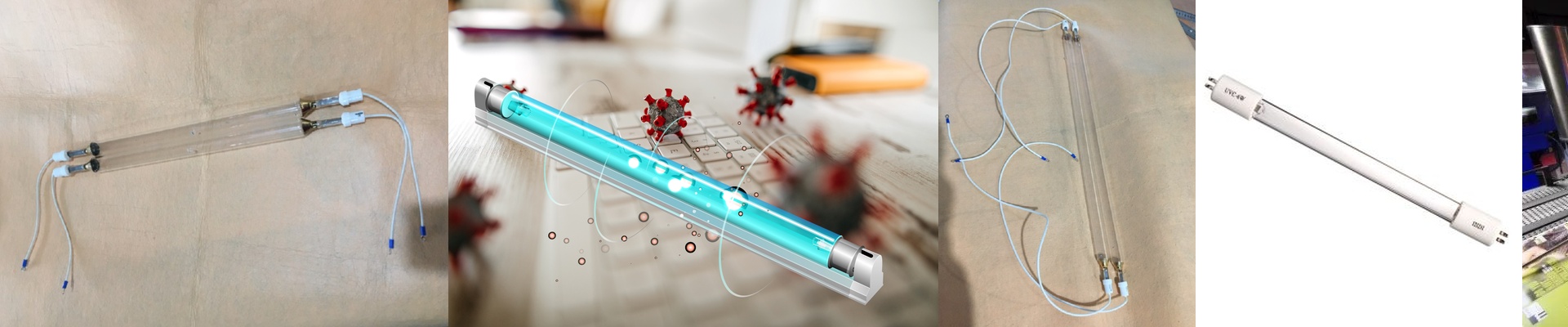
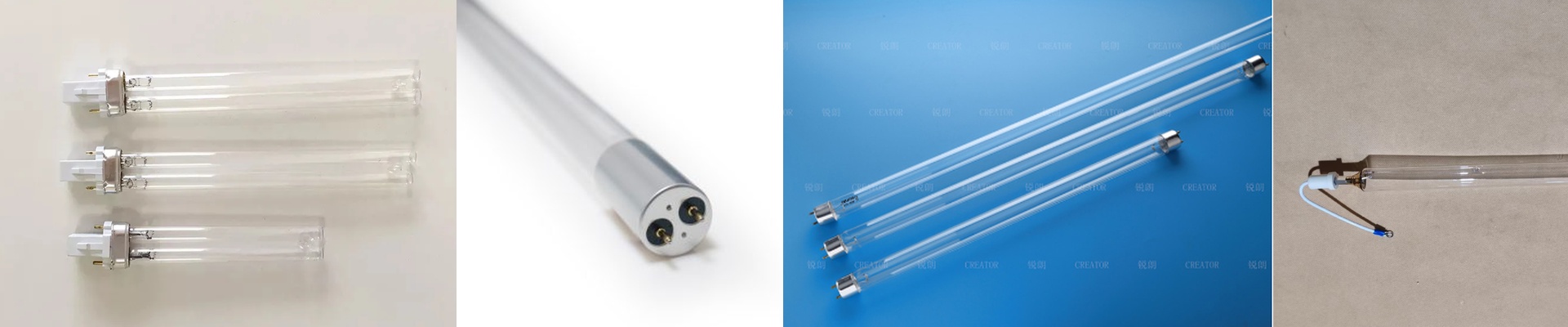
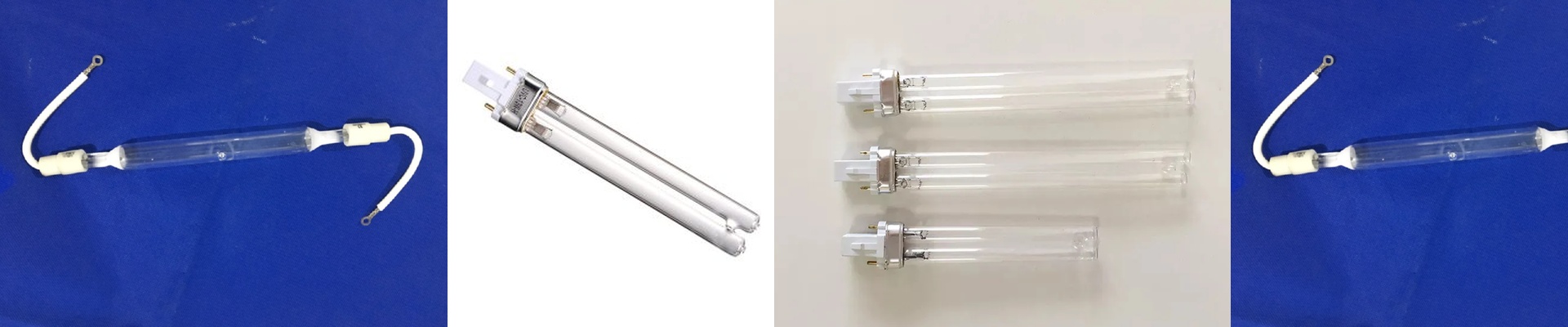
Let’s talk about the 120W/cm mercury UV lamp. If you’re working with industrial coatings or adhesives, you know the drill: you need things to cure fast, and you need them to cure right. We build these lamps to hit that sweet spot of power density so your finish stays consistent every single time.
Why that “120W/cm” number actually matters
That spec isn’t just some random figure on a datasheet. It’s really about your bottom line. Think of it this way: the power density tells you how fast you can crank up your conveyor belt. More density means you can move your product faster without worrying about a tacky or half-cured surface. But there’s a catch. All that power creates a lot of heat. We use high-purity quartz glass to handle the stress, but the glass can only do so much. If your cooling system isn’t pulling that heat away, the quartz will degrade and your lamp will burn out way sooner than it should.Keep the airflow steady, and your lamps will last.
The headache of “generic” lamps
You’ll see plenty of shops selling “generic” UV lamps. They look the same on the outside, but inside? It’s a different story. A lot of those are just copies of other people’s electrode designs or gas mixes. Here is the problem: if you ship machinery overseas with infringing parts, you’re asking for trouble. Customs can seize your gear, or worse, you could end up in a legal battle over patents in a foreign court. We do things differently. We developed our own patented electrodes and reflector coatings. When you use our lamps, you aren’t just getting a light source—you’re getting peace of mind. You can export your machines globally knowing you’re legally covered.
The real-world trade-offs
The good news is that these are drop-in replacements. They fit right into most standard curing ovens and work with a wide range of photoinitiators. But, you have to be patient. Mercury lamps aren’t like LED lights; they don’t just snap on at full power. They need a bit of time to warm up and stabilize. If you start your production run the second you flip the switch, those first few parts are going to be under-cured. Give the lamp a few minutes to find its groove, and you’ll be golden.