Stopping the Noise: Keeping Your UV Lamps Steady in a Crowded Shop
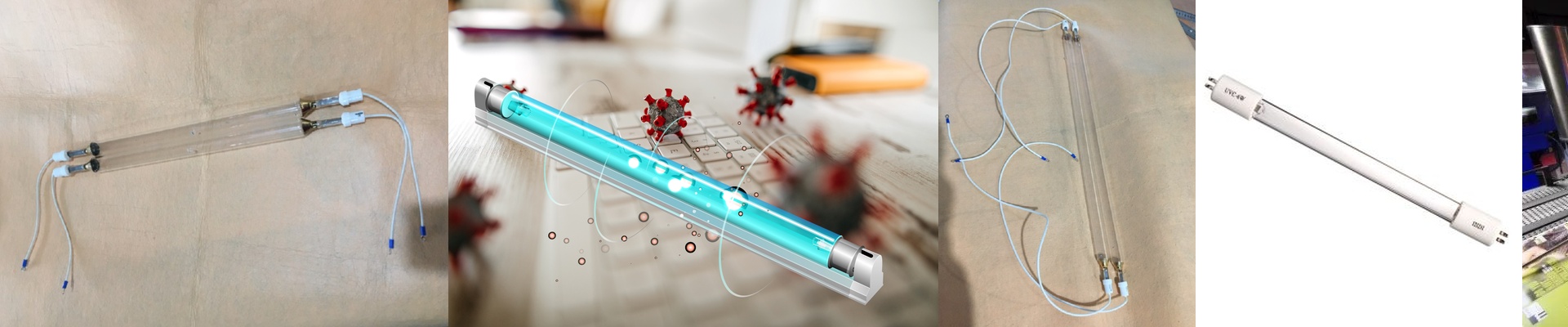
If you’ve got a few large-scale printing presses running in one room, you know it’s a loud place. I don’t just mean the noise you can hear—I mean the electrical noise. When you have multiple high-power UV systems firing off at once, they create a mess of electromagnetic interference. It’s like everyone is shouting at the same time, and your control circuits can’t hear themselves think. That’s when things go sideways. You get flickering, curing speeds that jump around, or worse, the whole system just trips and shuts down. We built our UV lamps to tune out that chaos. The Stability Struggle Here is the thing: the real battle happens between the ballast and the power grid. On a busy factory floor, voltage spikes and harmonic distortions are just part of the deal. Most cheap UV tubes can’t handle it. They soak up all that “noise” from the machines next to them and start acting up. We took a different route. By using reinforced shielding and high-grade capacitors, our lamps basically ignore the external drama. The result? A steady, reliable UV dose across your substrate. No weird blind spots. No ink that stays tacky because the lamp dipped for a split second. Fitting Them In We designed these to be simple drop-in replacements. You can wire them into your existing racks and not worry about your lamps fighting each other for “clean” power. Now, there is a trade-off. To get this kind of protection, the driver housing is a bit heavier, and they take a few extra seconds to warm up compared to the unshielded stuff. But honestly? I’d take a few extra seconds of startup time over a midnight emergency call because a system crashed. You’re trading a tiny bit of patience for thousands of hours of uptime. What This Actually Means for Your Day When you’re running ten presses side-by-side, you stop caring about fancy specs. All that matters is: Is it working? If one lamp flickers, you aren’t just losing time—you’re tossing a whole batch of scrap. Our focus on EMI resistance means your curing line stays locked in, even if the machine right next to it just kicked into high gear. It just keeps humming along.