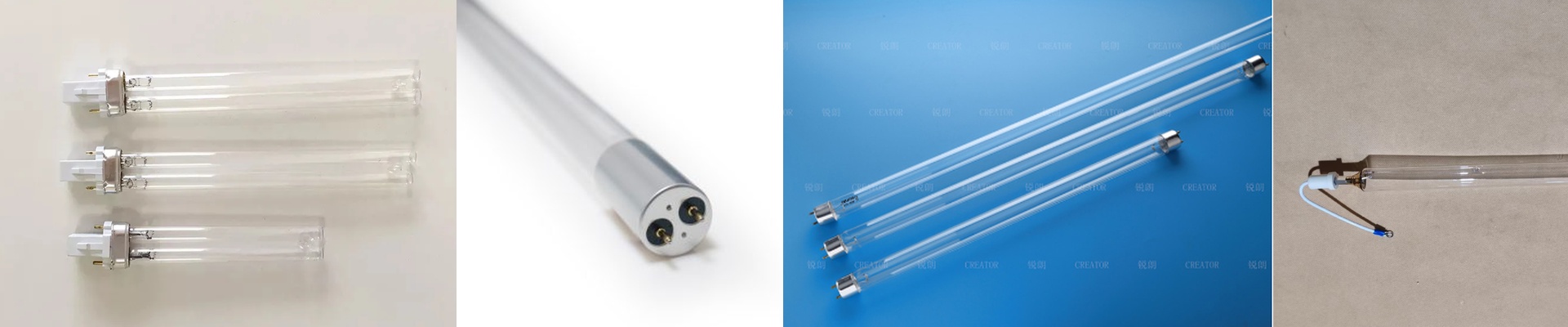
Let’s Talk About Your UV Curing Setup
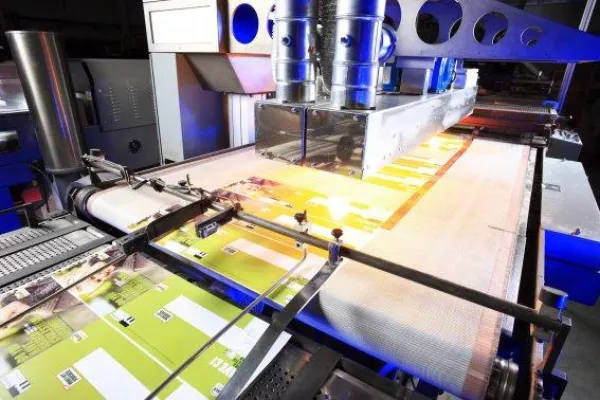
UV curing used to be pretty simple: you turn on a bulb, it dries your ink or glue, and you hope for the best. But things are changing. We’re moving away from those “dumb” bulbs and heading toward smart systems that actually talk to the rest of your factory. Switching a basic lamp for a smart system isn’t just about the light. It’s about finally knowing exactly how much power you’re using and how fast your parts are curing while they’re still on the line.
The Nitty-Gritty of High Intensity
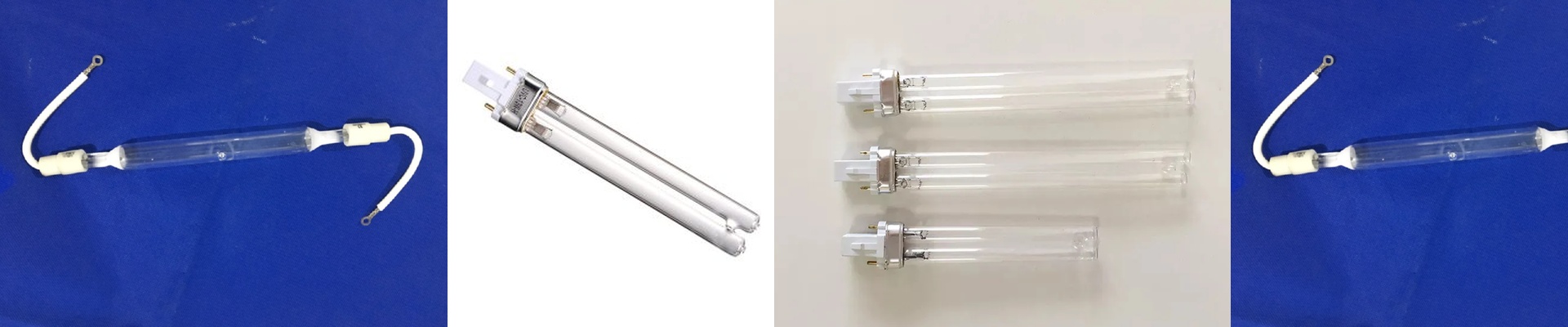
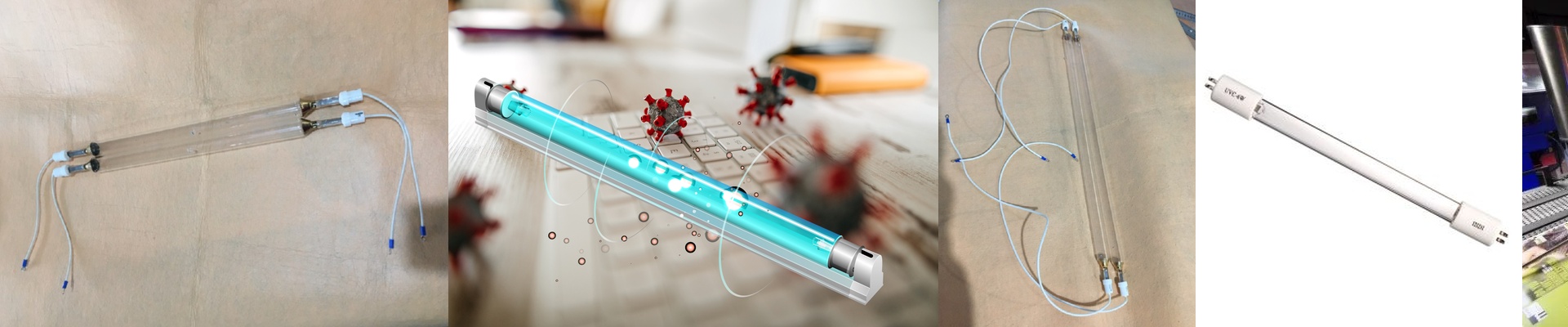
Here is the thing about the physics: it’s all about matching the light to your coatings. Whether you’re using mercury vapor or LED arrays, it comes down to how much wattage you can cram into a specific length. More wattage in a shorter tube means more heat and intensity hitting your product. You get a faster cure, which is great. But there’s a catch. It puts a lot of stress on your reflectors. And if you try to push the power too high without beefing up your cooling fans? You’re just asking for the bulb to burn out early.
Making it Fit (Without the Headache)
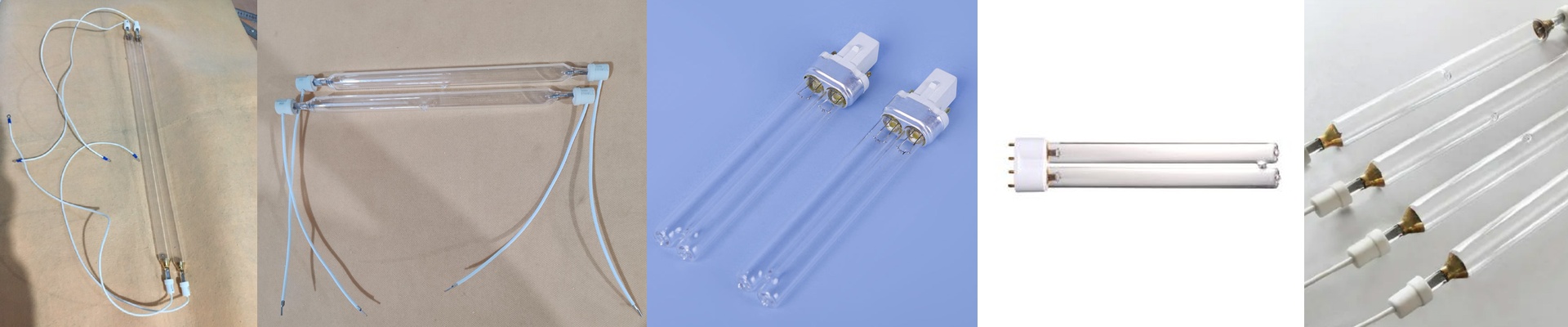
Nobody wants to spend a weekend rewiring an entire conveyor system. That’s why we make these replacements “drop-in.” We match the voltage, the amperage, and the connectors so they just slide right in. The best part? These lamps have sensors. They feed real-time data straight to your PLC. Instead of finding out a part is under-cured after it’s already failed a quality check, you can see the lamp’s output dipping in real-time. You fix it before it becomes a problem.
The Trade-offs
Now, it’s not all magic. You need a stable power grid. If your voltage spikes, you risk frying the controllers. And yeah, these cost more upfront than a basic quartz tube. You’re paying for that data loop—the ability to stop wasting parts and catch errors early. Just a tip: check your power supply before you swap out your old lamps. You want to make sure your breakers can handle the full load so you aren’t tripping the power every time you ramp up production.