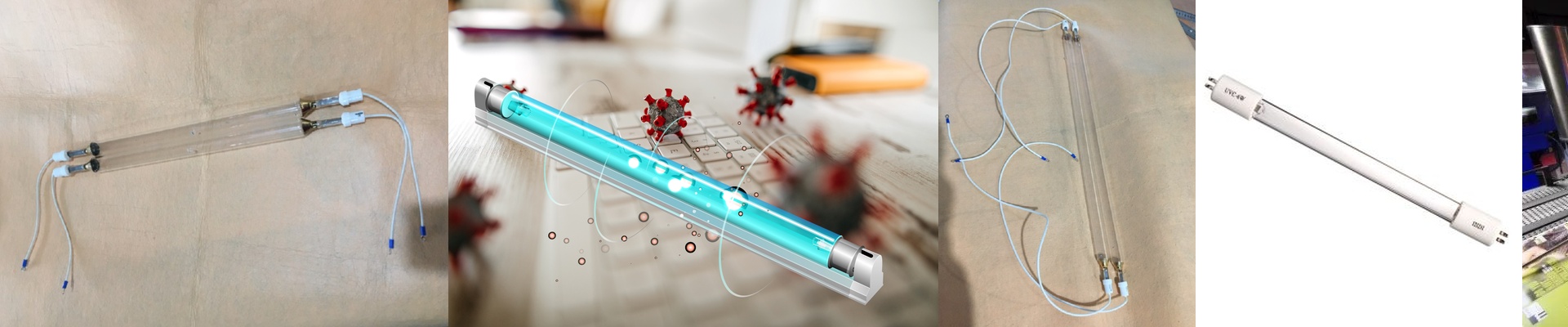
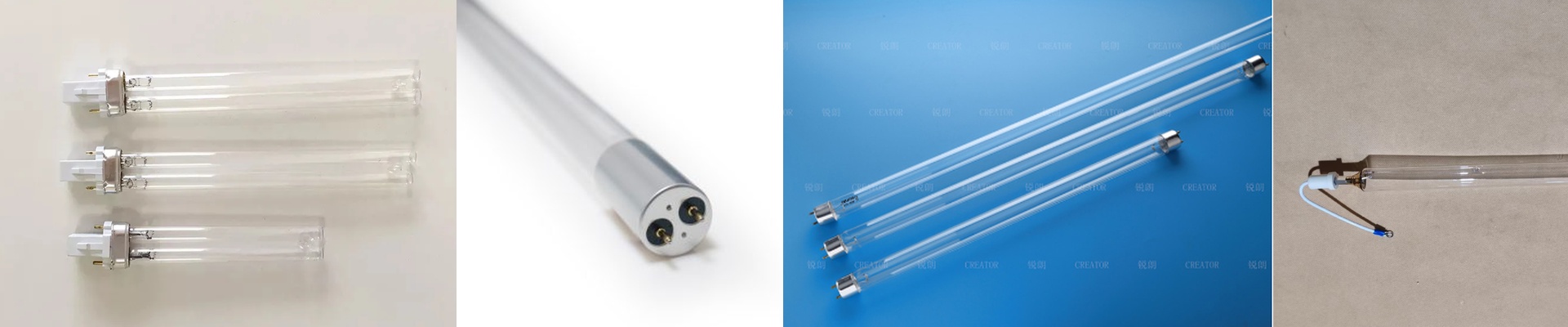
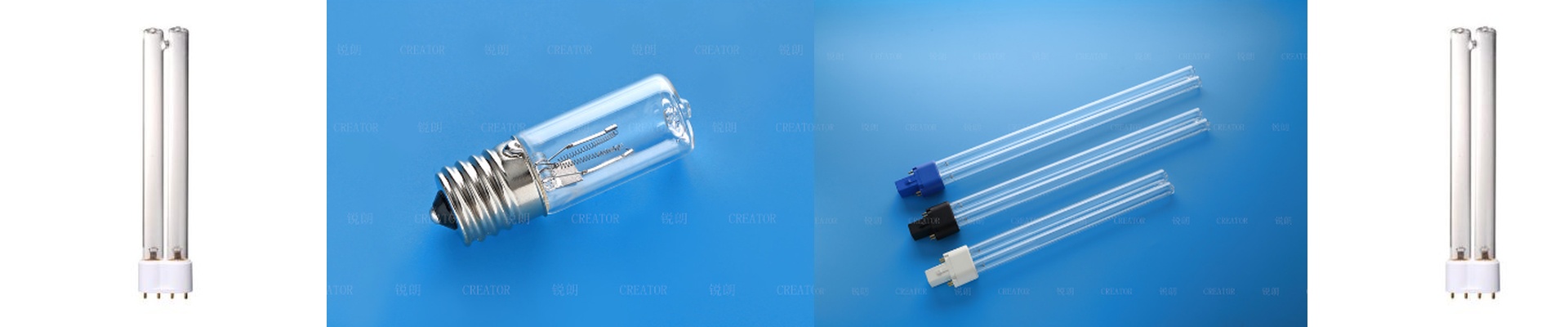
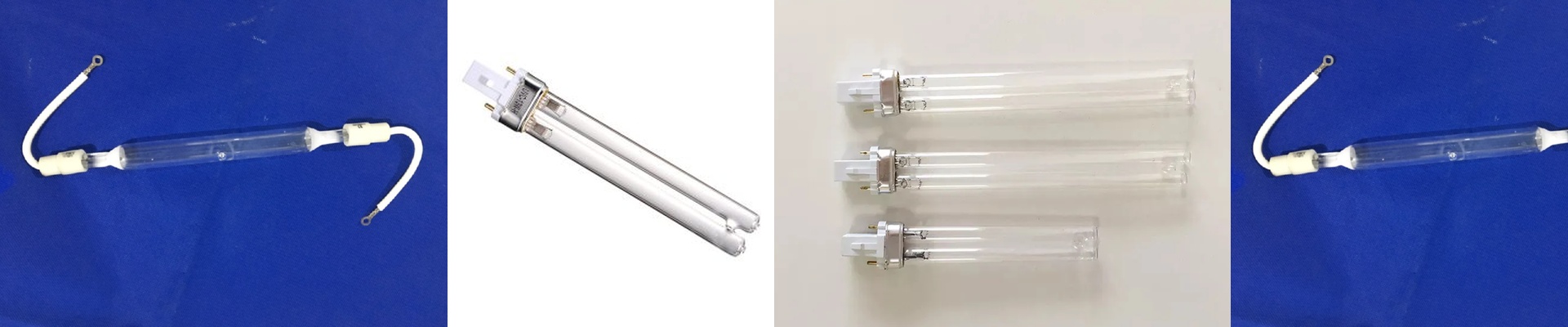
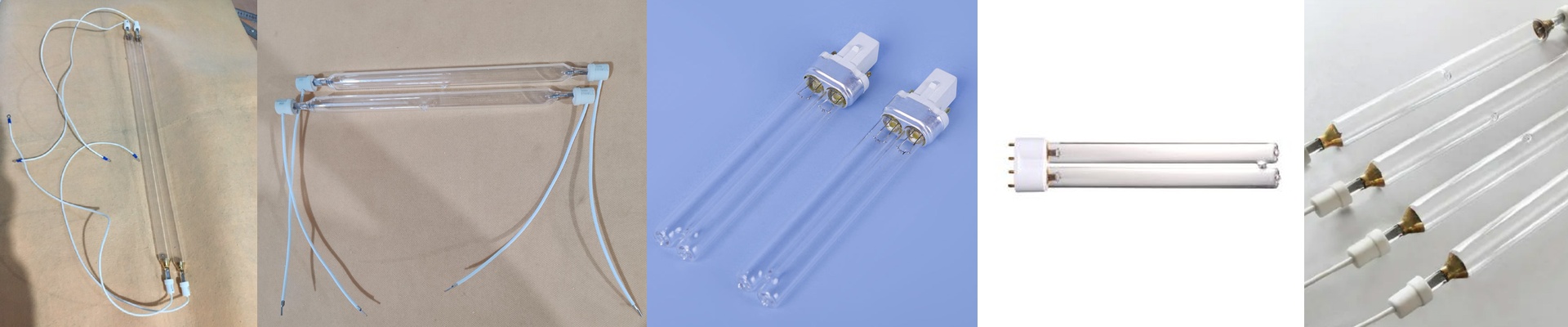
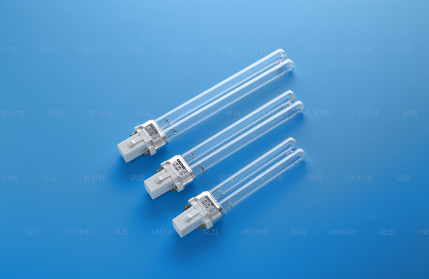
Why Mercury UV Bulbs are the Unsung Heroes of Your Textile Line
Textile work is about way more than just needles and thread. If you’ve ever wondered how a print stays crisp or how a fabric becomes waterproof in a heartbeat, it’s usually thanks to UV curing. Think of these lamps as the invisible force that locks everything in place. We use standard mercury bulbs to kickstart a process called photopolymerization—which is just a fancy way of saying they turn liquid ink into a solid, permanent finish in a matter of seconds.
How the Magic Actually Happens
Inside these bulbs, an electric arc jumps through pressurized mercury vapor. When you flip the switch, it pumps out a broad spectrum of UV radiation, mostly in the UVC and UVB range. That specific light is what hits the ink or coating and snaps the chemical bonds shut. Now, here is the trick: your wattage and tube diameter dictate your “irradiance,” or basically, how hard the light hits the fabric. Higher power means you can crank up your line speed and get more product out the door. But be careful. If you push the wattage too high without beefing up your cooling fans, you’re asking for trouble. You’ll either scorch the fabric or fry your electrodes way sooner than you should.
The Nitty-Gritty Hardware
Most of these tubes are wrapped in fused quartz. We use quartz because it doesn’t “soak up” the UV energy; it lets the light pass straight through to the fabric. Whether you’re using a massive conveyor belt or a small spot-cure station, alignment is everything. I can’t stress this enough. If your focal distance is off by even 5mm, you could lose 10-15% of your curing efficiency. It’s a tiny gap, but it makes a huge difference in the final result.
What They Actually Do on the Floor
In a real-world plant, these bulbs usually handle three big jobs: *Setting the ink: Making sure digital prints are bone-dry so they don’t smudge the second they hit the folding machine. *Adding finishes: Locking in those water-repellent or flame-retardant coatings. *Bonding: Getting patches or reflective strips to stick for good. Mercury bulbs are absolute workhorses, but they don’t last forever. The tricky part is that the UV output starts to fade long before the bulb actually burns out. You might not see it happening, but your cure rates are dipping, and suddenly you’re dealing with quality rejects. My advice? Keep a close eye on your hour-meters. Swap the tubes out based on time, not just when they stop glowing. It’ll save you a massive headache down the line.