Getting Ready for 2026: A Better Way to Build UV Lamps
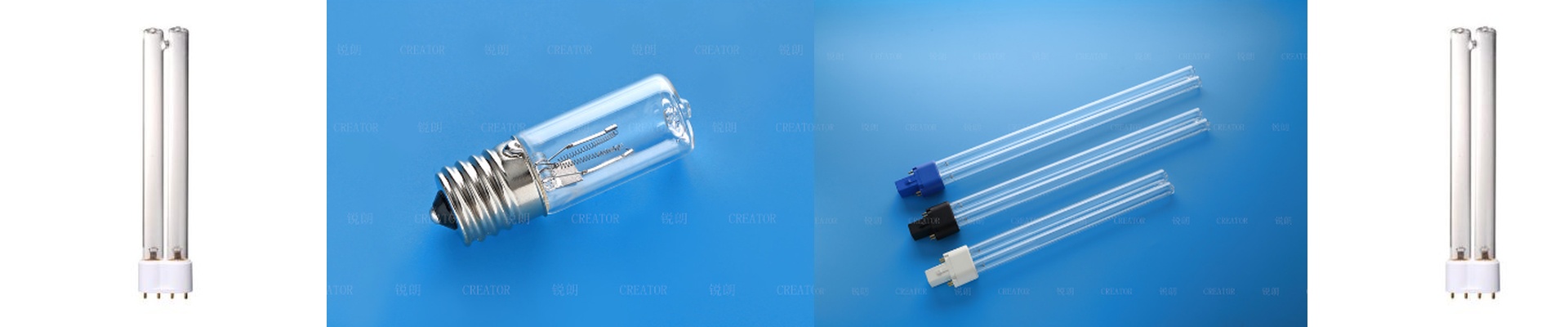
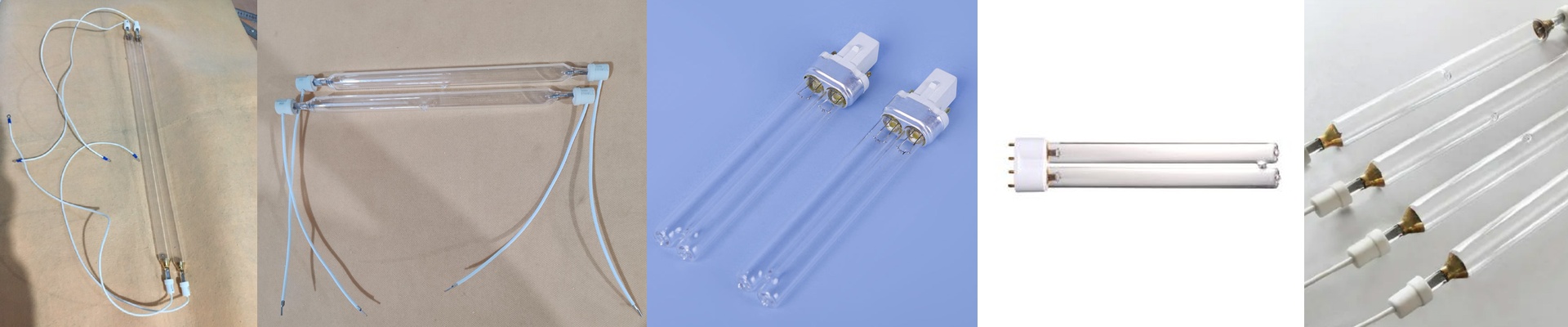
The way UV and IR lamps get made is changing, and honestly, it was about time. For too long, the supply chain has been a mess of middlemen, each adding their own markup. We decided to stop playing that game. Now, we handle everything under one roof. We source the raw quartz, blow the glass, and seal the electrodes ourselves. Why? Because it keeps the costs down and the quality up. You get high-wattage tubes without the “middleman tax.”
The Nitty-Gritty on Power
Here is the thing about UV lamps: it’s all a balancing act. You’ve got gas pressure, electrode materials, and tube diameter all fighting for space. If you push for higher power density, your curing cycles get faster. Great, right? But that puts a lot of stress on the quartz. If the glass isn’t top-tier, it’ll crack the moment things heat up. That’s why we use high-purity fused quartz. It can handle the heat. Just a heads-up, though—if you’re running these at max wattage, make sure your cooling system is up to the task. If the lamps get too hot, the electrodes wear out faster, and you’ll be replacing them way sooner than you’d like.
Why Doing it In-House Matters
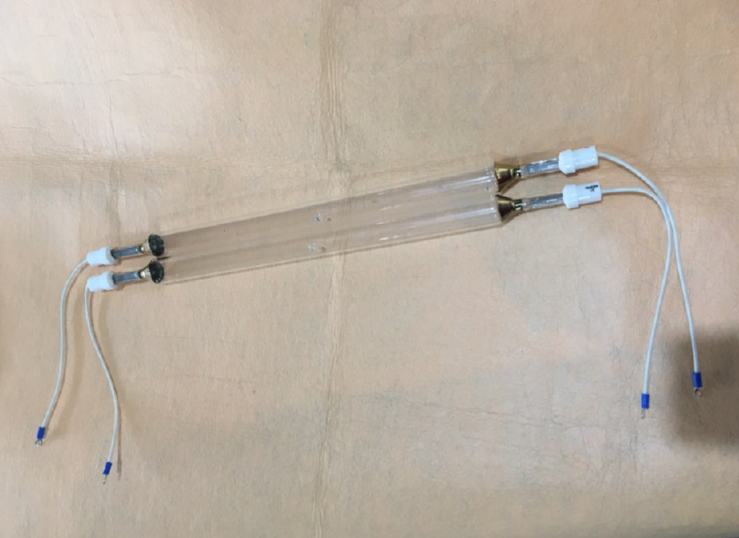
Most companies just buy pre-made tubes and slap a label on them. We don’t. Since we do the glass-blowing and gas-filling ourselves, we can actually tweak the focal length and wavelength. If your industrial setup needs something specific, we just do it. No “custom order” premiums, no waiting weeks for a specialist. We just build it.
Swapping Them Out
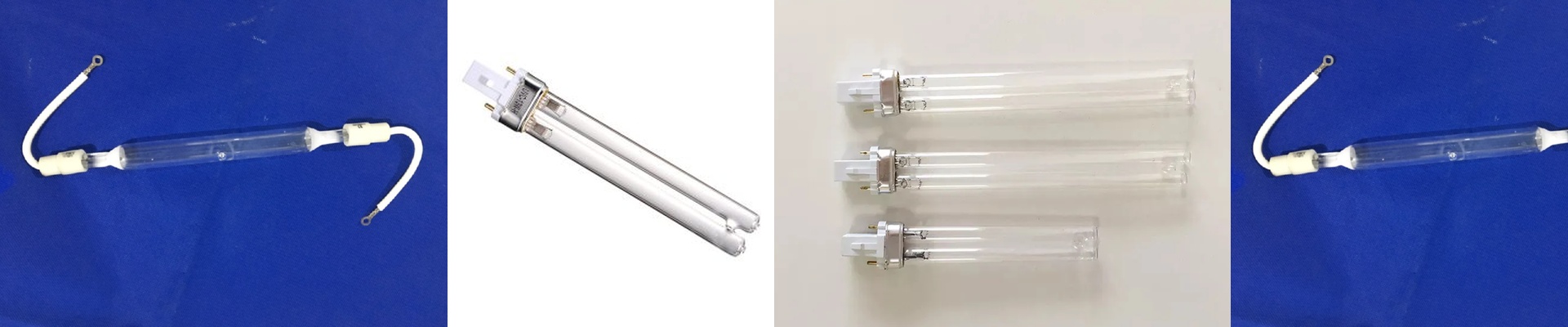
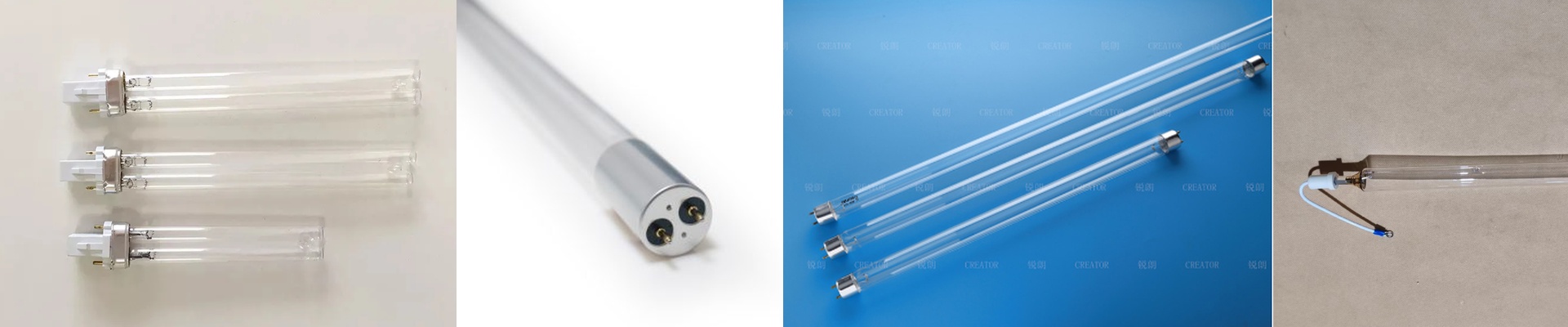
We made these to be simple. They’re drop-in replacements. The pins and dimensions match the OEM specs, so you can just pop them into your existing curing rigs. No need to mess around with your ballast or rewire your whole system. It just works. As long as your power supply is clean, you’ll get a steady, flicker-free light. Now, keep in mind that these lamps lose a bit of punch over time. It’s a slow, linear fade. My advice? Keep a log of your run hours. Replace the tubes before the intensity dips too low for your specific ink or resin. It’ll save you a lot of headaches on the production line.