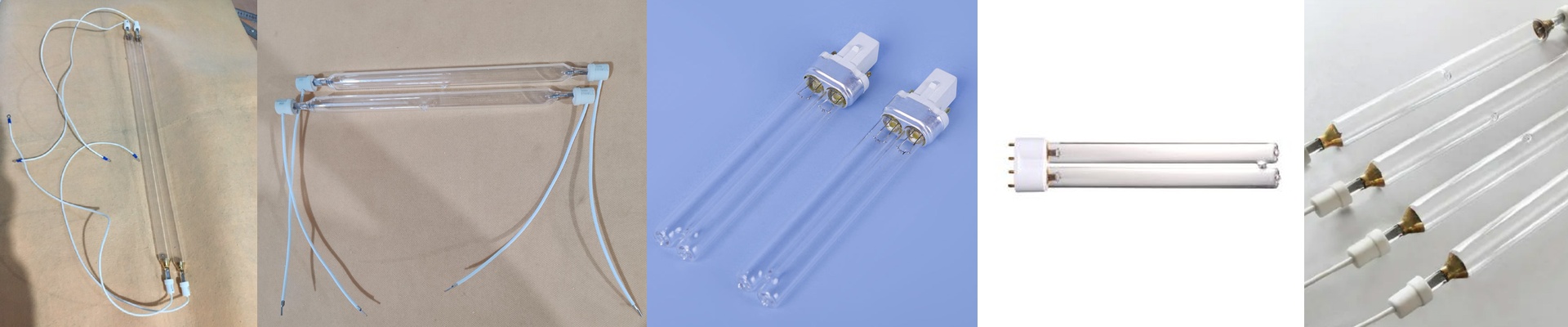
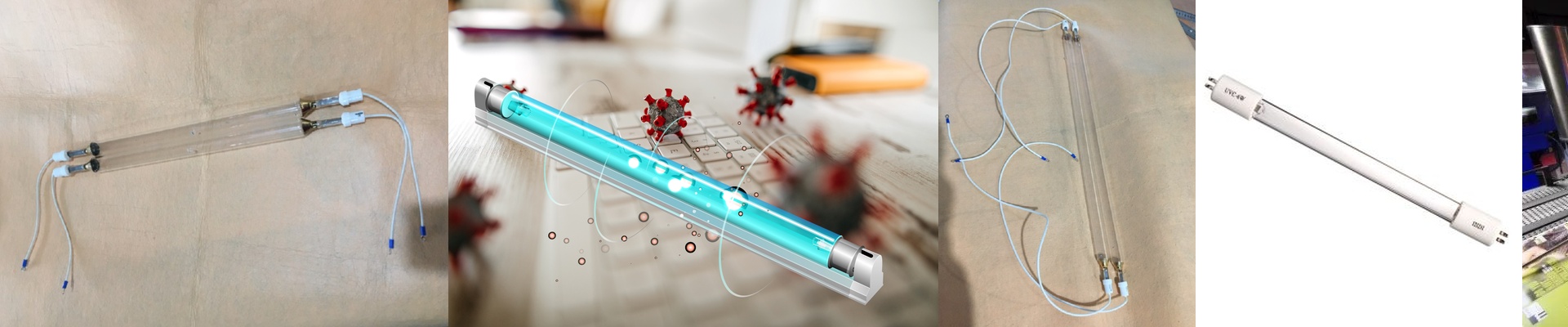
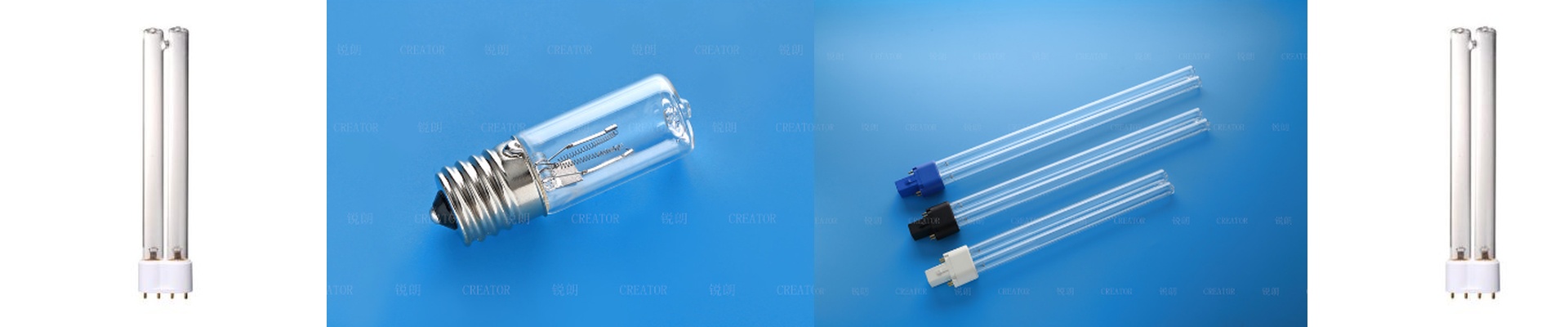
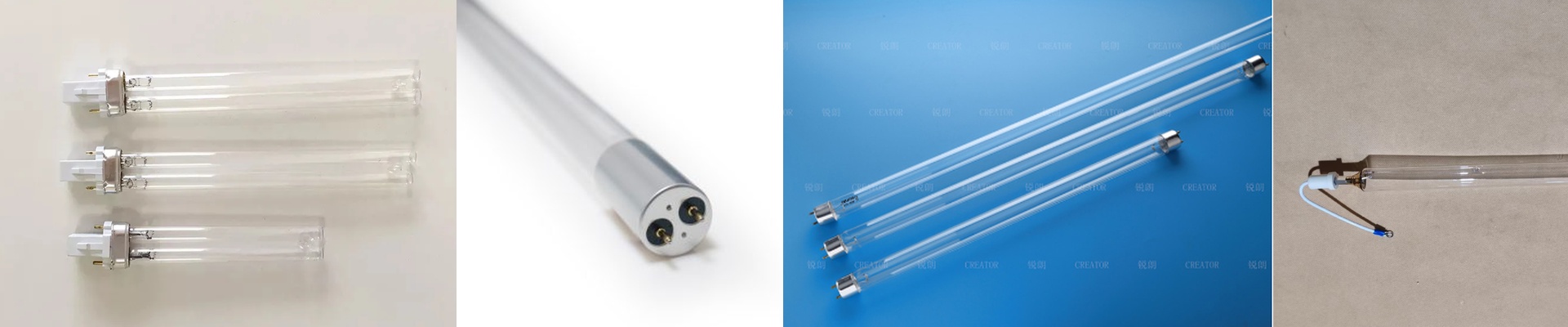
The Real Deal on Bulk UV-C Bulbs: Why the Engineering Actually Matters
Most people think a germicidal bulb is just a glass tube that glows. But if you’re running an industrial line, you know it’s more like a precision tool. You’re not just buying light; you’re making sure your entire disinfection process doesn’t crash and burn.
It all starts with the quartz
Here is the thing about glass: standard glass kills UVC radiation. It just blocks it. That’s why we use high-purity synthetic quartz. It lets the light through without fighting it. We’ve spent 15 years obsessing over how thick the walls of these bulbs should be. It’s a balancing act. If the quartz is too thin, the bulb might pop the second your machinery starts vibrating. But if it’s too thick? You’re losing power. And we’ve all seen those cheap bulbs that start strong and then tank—dropping 20% of their punch in the first 500 hours. That’s a nightmare for your timing. We build ours to stay steady. You get a flat, reliable output, which means you don’t have to constantly tweak your dwell times just to keep things sterile.
Dealing with the heat
High-wattage bulbs get hot. Really hot. When you cram dozens of them into a tight conveyor or a water chamber, you run into “heat soak.” If the bulb surface gets too toasted, the mercury vapor pressure shifts and your UVC output actually drops. It’s counterintuitive, but more heat can mean less cleaning. You’ve got to make sure your airflow or cooling jackets can actually handle the total wattage. On our end, we’ve toughened up the electrodes so they can handle rapid cycling without burning out, but you still need stable power to keep them happy.
Making them actually fit
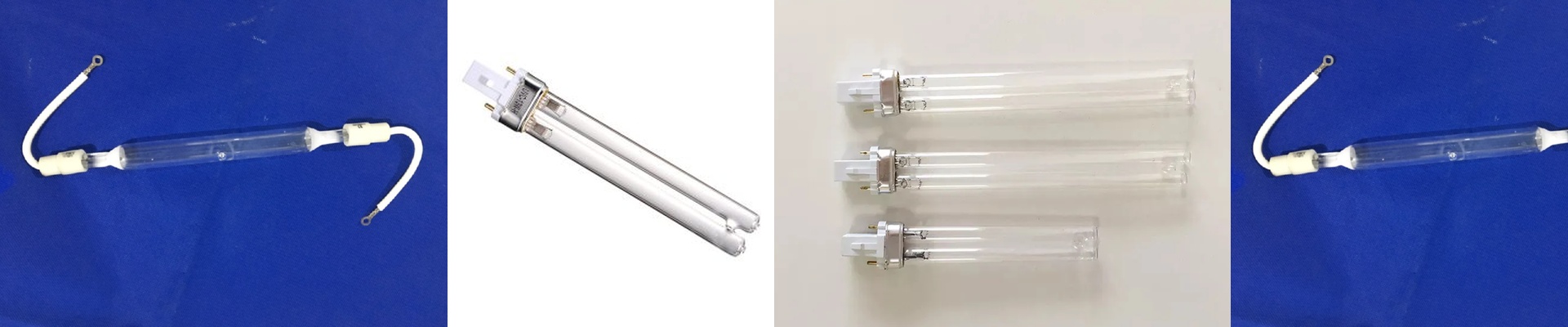
There is nothing worse than a bulb that “almost” fits. We focus heavily on the pins and the base. Why? Because a single millimeter of wiggle room in a socket can cause arcing. That doesn’t just kill the bulb—it can fry your ballast, too. We build these to be tight. No gaps. No shaking. You just plug them in, flip the switch, and get back to work.