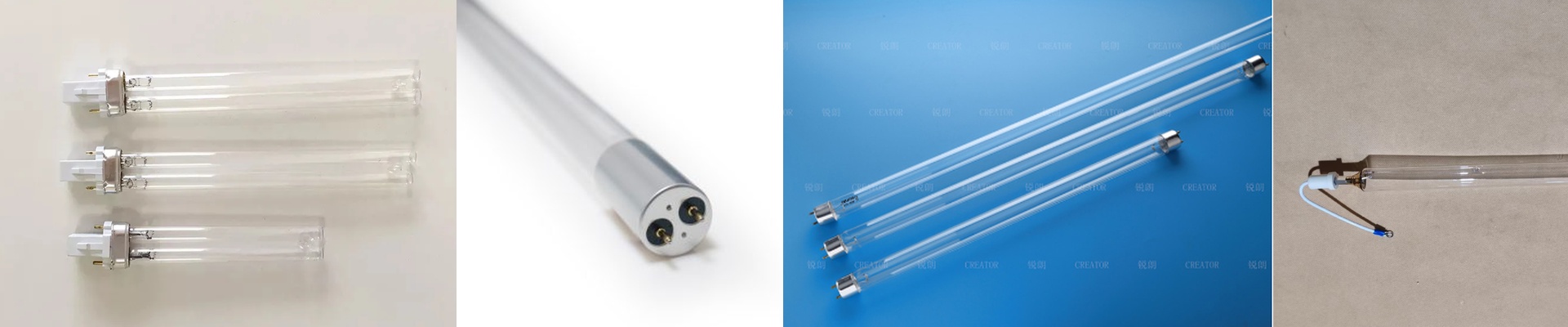
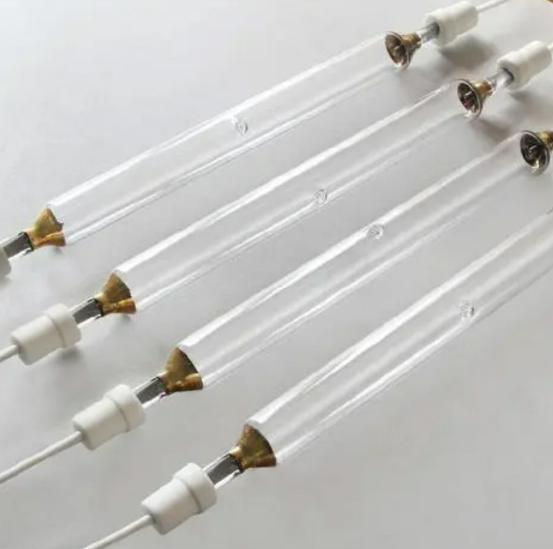
Making UV Germicidal Lamps Actually Smart
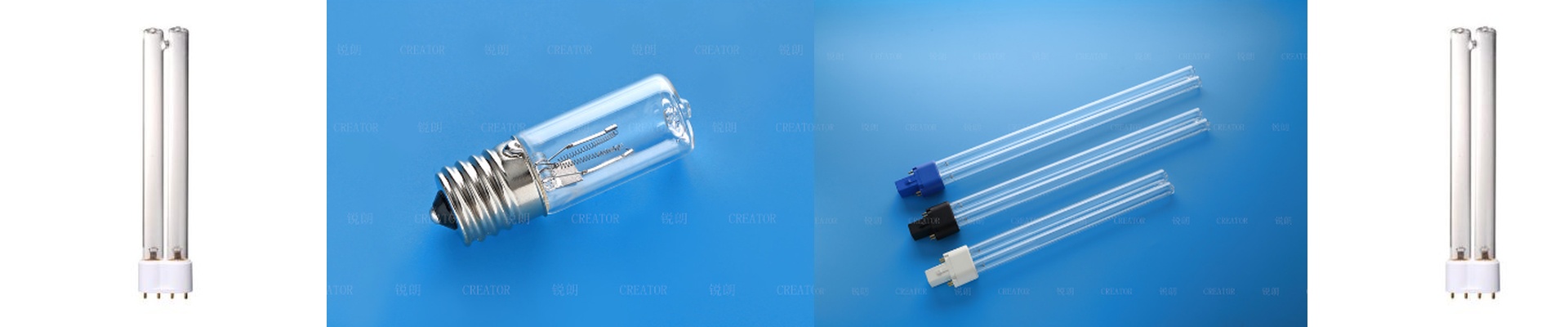
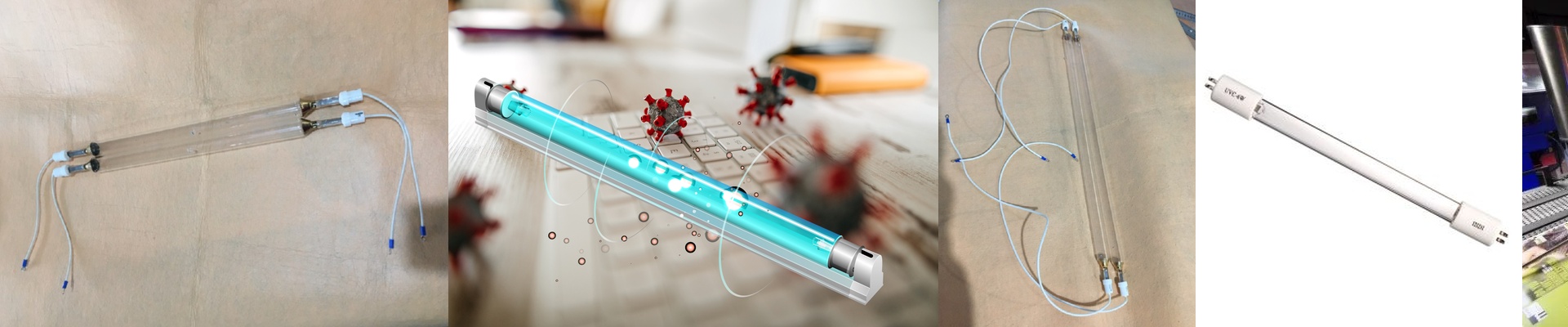
Most UV-C lamps are pretty basic. You flip a switch, a timer runs, and you just hope it’s doing its job. But we’re moving away from that. The new way of doing things is all about remote energy monitoring. Basically, we’re tracking power draw and light decay in real-time. It means you can tell exactly when a bulb is starting to fade before the sterilization actually fails. No more guessing.
How the monitoring actually works
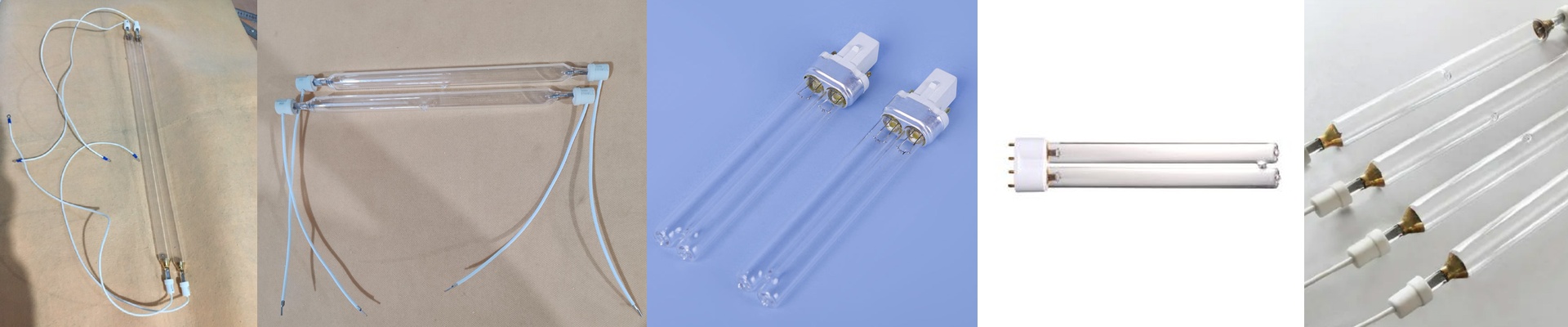
We’ve tucked current sensors and IoT gateways right into the ballast circuit. By keeping an eye on voltage drops and wattage shifts, the system can tell when the mercury vapor or phosphor coating is wearing out. You get a steady stream of data showing the energy used per square meter. It’s a huge relief because you can stop following a rigid “replacement schedule” and just swap the lamps when the output actually drops.
Saving energy without cutting corners
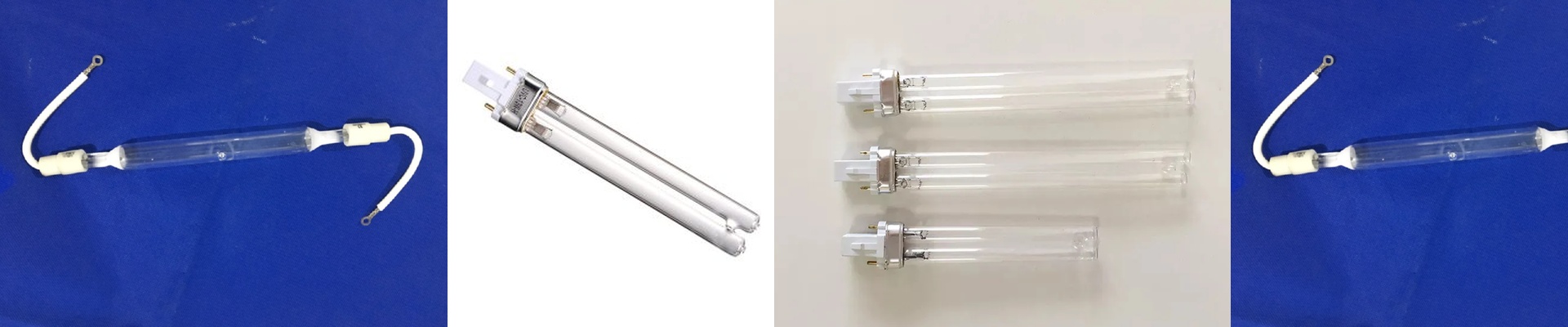
Here’s the thing: you can’t just lower the wattage to save money. If you do, you lose the dosage, and the whole system becomes useless. Instead, we focus on the power factor and high-frequency electronic ballasts. These keep the base of the lamp from getting too hot and push more energy into the actual UV-C spectrum. Plus, these smart controllers let us do “precision dosing.” Instead of blasting a room at 100% for an hour regardless of what’s happening, the system tweaks itself based on the room size and how efficient the lamp is running at that moment.
The trade-offs
I’ll be honest—there are a few catches. Adding this kind of monitoring means your control panel will take up a bit more space. You’ll also need to make sure your network can handle the data packets coming from the gateways. The upfront cost for the hardware is higher than a “dumb” setup. But the energy savings eventually pay for it. It’s a no-brainer for any facility that has to keep strict sterilization logs for compliance. You can finally ditch the clipboard and just glance at a live dashboard.