Getting Your Throughput Right with Modular UV Curing
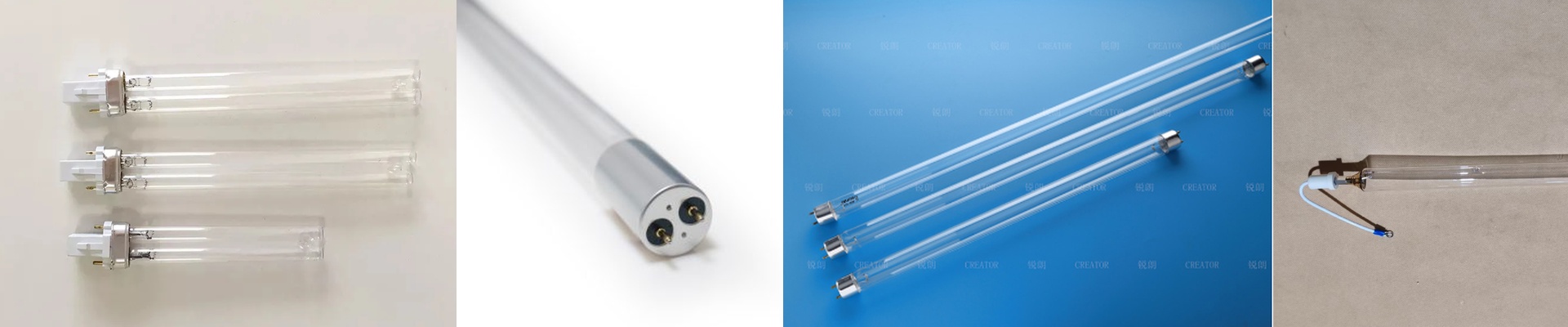
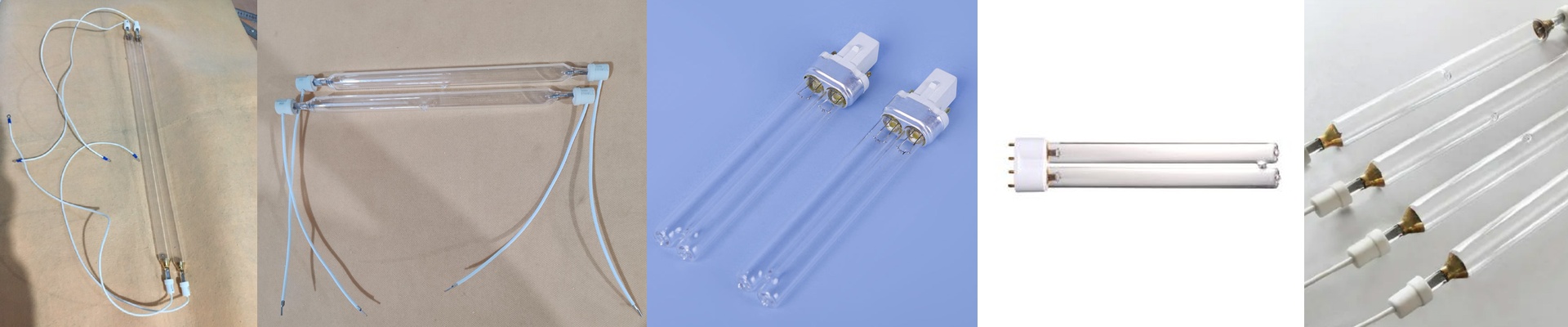
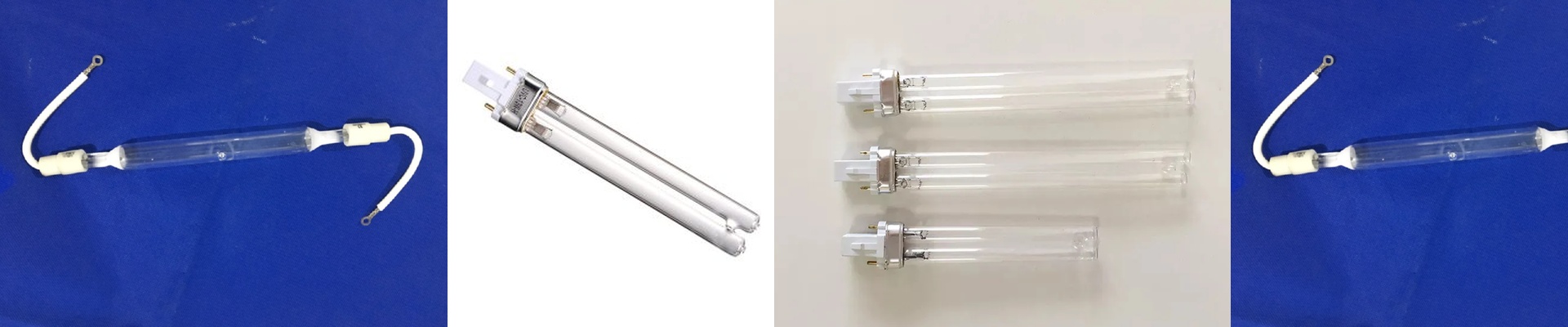
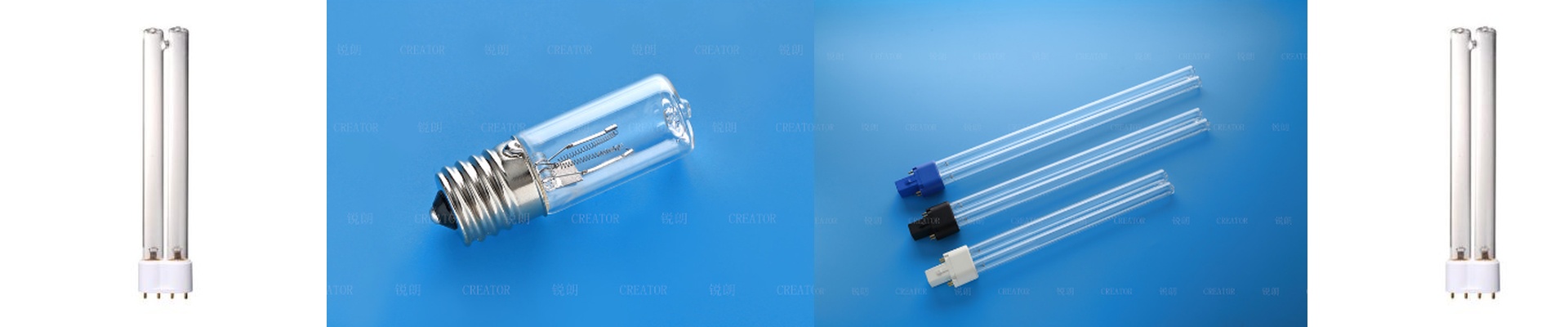
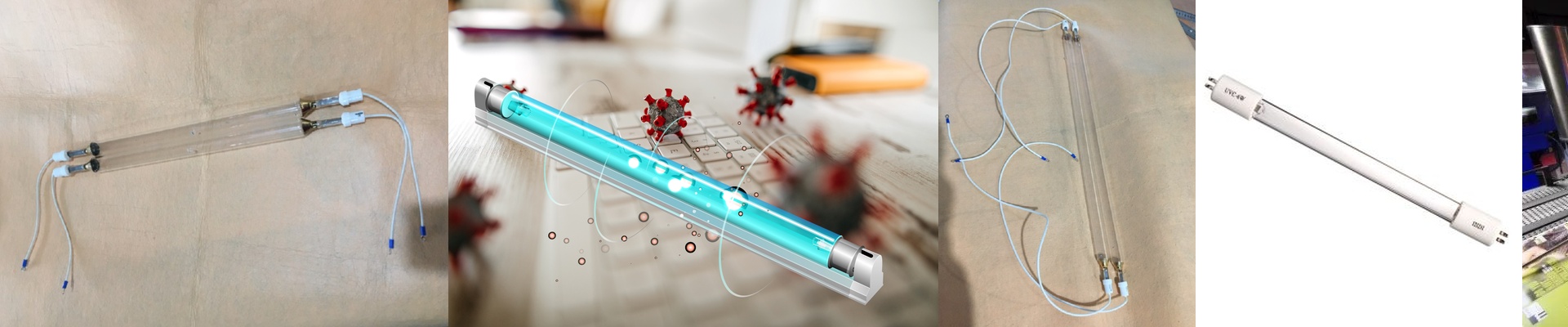
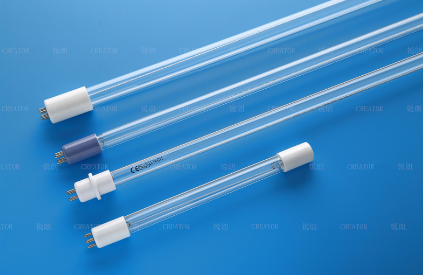
Let’s be honest: off-the-shelf UV lamps are great until they aren’t. You hit a specific polymerization requirement, and suddenly that “one-size-fits-all” unit just isn’t cutting it. That’s why we build modular systems. We focus on the exact wavelength and irradiance you actually need, so your adhesives, coatings, or inks cure completely. No one wants to pull a part off the line only to find it’s still tacky. The logic is pretty simple. If you speed up your conveyor, you’re cutting the time the part spends under the light. To keep the same UV dose, you’ve got two choices: add more lamps or bump up the wattage. But here is the tricky part: you have to match the lamp to your photoinitiators. If the spectral peak is off, you’ll get a “skin” on top that looks cured, while the bottom layer stays liquid. It’s a nightmare to catch once the parts are packed. The nuts and bolts of the build We use high-grade quartz glass. Why? Because it lets the UV light through without fighting it, and it won’t crack when things get hot. We also shape the reflectors to push every bit of energy straight down onto the part. It’s all about cutting waste. And we’re obsessive about the power supply. If your voltage jumps around, your curing becomes inconsistent. Worse, you’ll burn through your lamps way faster than you should. One more thing:watch your airflow. High-intensity lamps get hot. Really hot. If your housing isn’t moving enough air, you’re going to bake your substrate or kill your lamp life. Keep it cool, and everything runs smoother. Real-world trade-offs The best part about a modular setup is that it’s a drop-in replacement. If you have an aging curing tunnel, you don’t have to rip the whole thing out. You just swap the modules you need and get back to work. Less downtime, less stress. Just a heads-up, though: don’t just crank up the intensity to chase speed. If you go overboard, you risk “over-curing.” That’s when your plastics start turning yellow or becoming brittle. It’s a balancing act between irradiance and dwell time. Get that right, and you’ll get performance that rivals any of the big global brands out there.