Why We Do Everything Ourselves
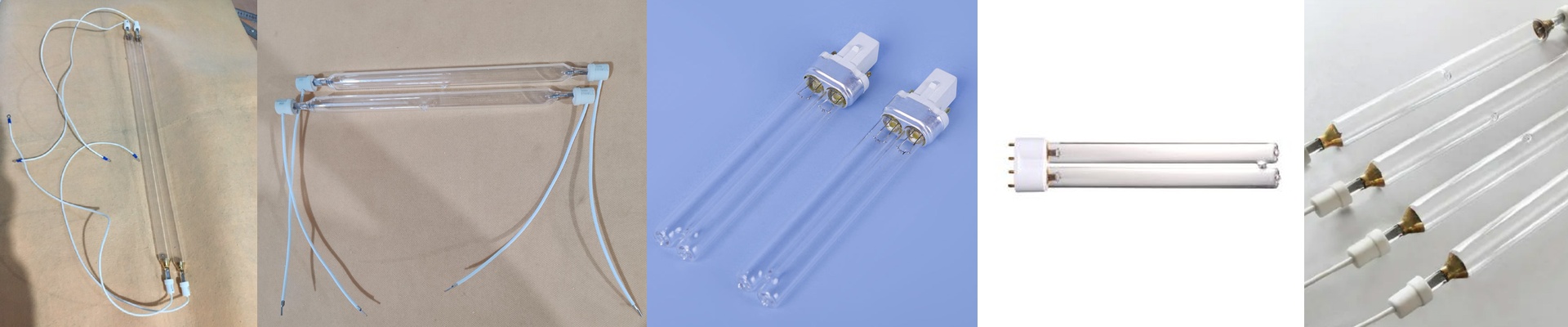
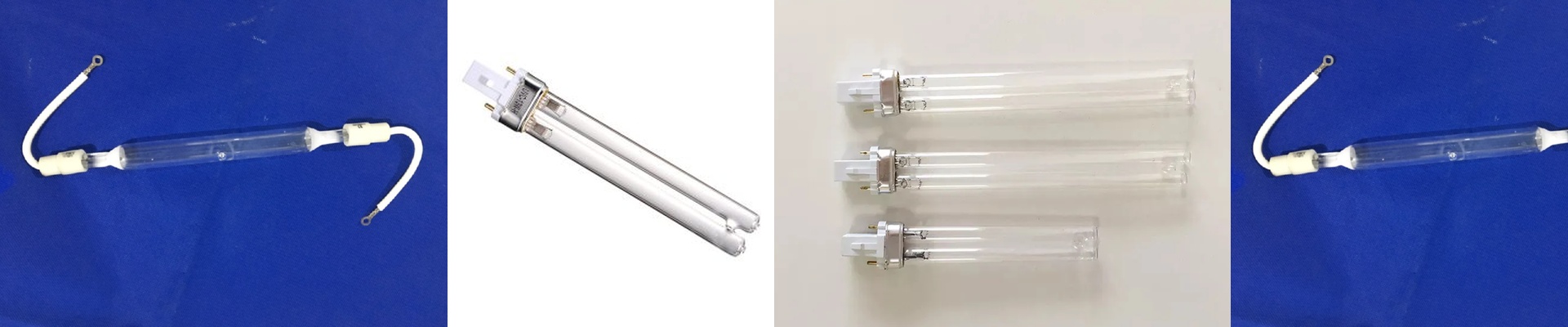
Let’s be honest: finding a lamp supplier is usually a headache. You’re stuck choosing between the cheap wholesale guys who sell you junk, or the high-end firms that charge a fortune just because they have a fancy brand. We decided to stop playing that game. Instead, we just do it all. We handle everything from sourcing the raw quartz to the final weld on the electrodes. No middlemen, no hidden markups, and no “telephone game” where the manufacturer doesn’t actually know what the customer needs. You just get a better lamp for a fair price.
Getting the UV Output Right
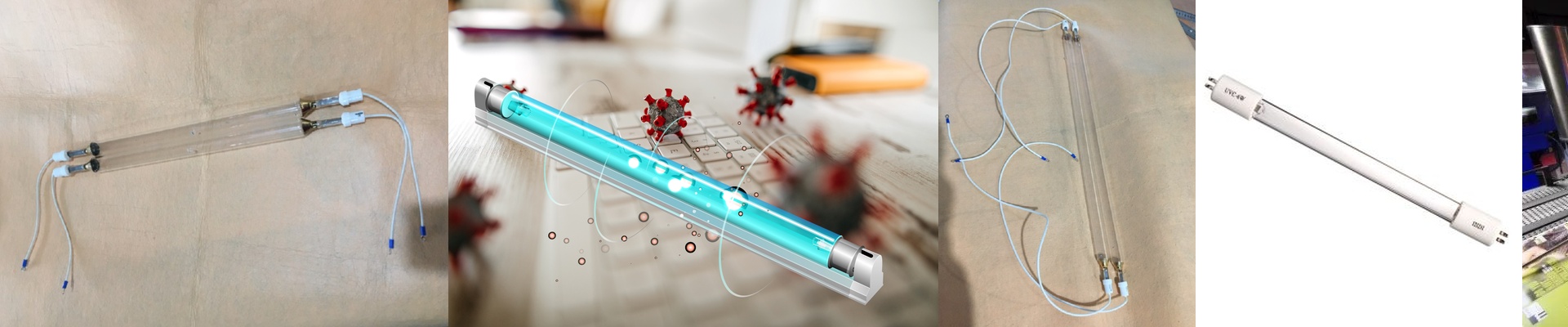
UV isn’t one-size-fits-all. If you’re just hardening a surface, you need short-wave. If you’re curing something deep, you need long-wave. The real secret is the wattage-to-length ratio. If that’s off, you get “cold spots” on your conveyor—basically, patches where the product doesn’t cure properly. It’s frustrating and wastes time. We spec our tubes so the light is consistent from one end to the other. No gaps, no surprises.
The Stuff We Use (And Why It Matters)
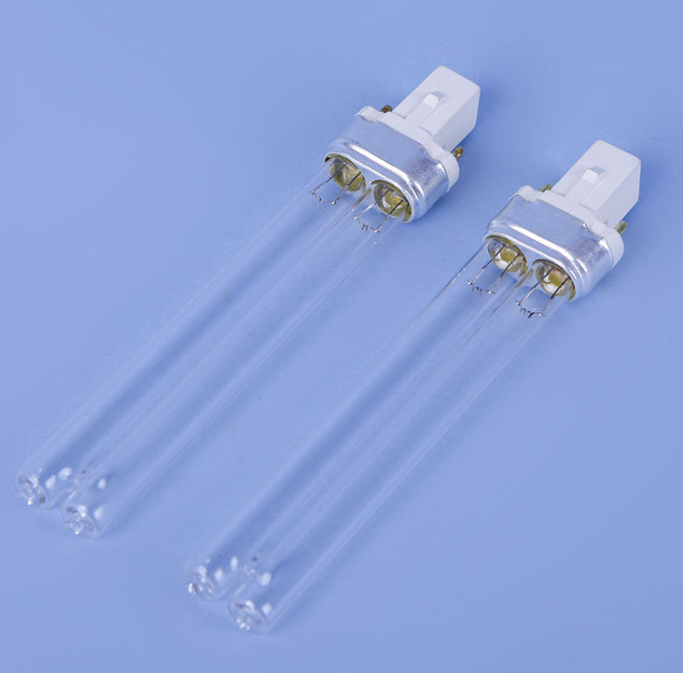
We use high-purity fused quartz. Why? Because cheap glass literally blocks the wavelengths you’re paying for. It’s like buying a window and then painting it grey. We can also add specific coatings if you need to shift the spectrum or if your environment is messy and prone to chemical splashes. One quick tip:keep an eye on your heat. High-wattage lamps get hot. Really hot. If your cooling fans aren’t up to the task, your quartz will degrade and your electrodes will burn out way too soon. It’s a simple fix, but it saves you from replacing lamps every few weeks.
Swapping Them Out
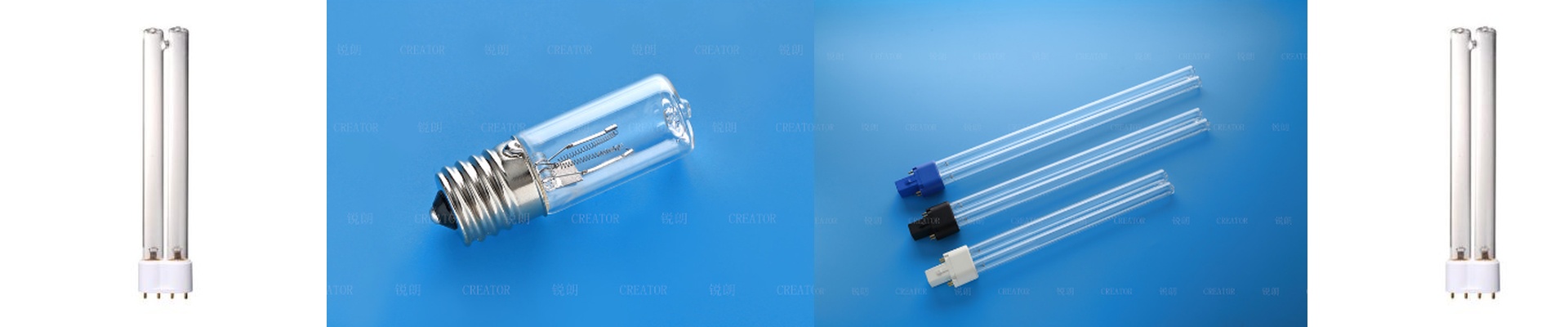
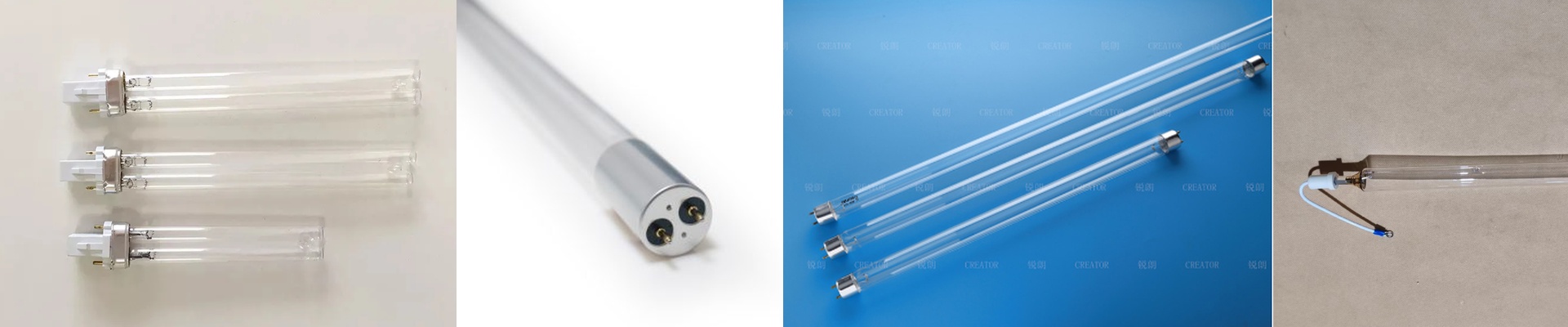
Nobody wants to spend their Saturday rewiring a ballast. That’s why we keep our connectors standardized. Most of the time, our lamps are just “drop-in” replacements for industrial rigs. You pull the old one out, pop the new one in, and you’re back in business. We give you the exact voltage and amperage numbers upfront, so you can plug them in without worrying about blowing a fuse or causing a surge. On our factory floor, we obsess over the small stuff—things like the exact diameter of the tube and the precision of the gas fill. It sounds tedious, but it’s what keeps the arc stable and makes the lamp last.