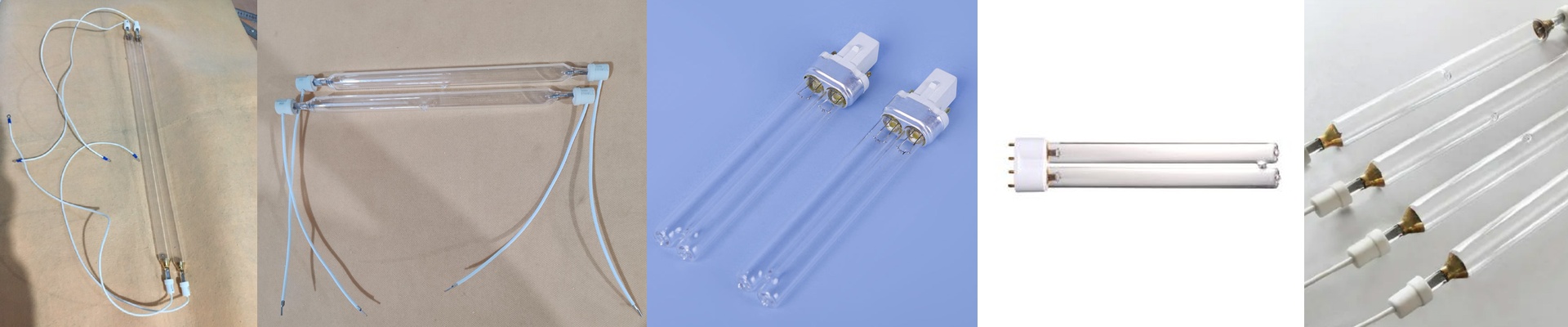
Getting the 0.5% Right
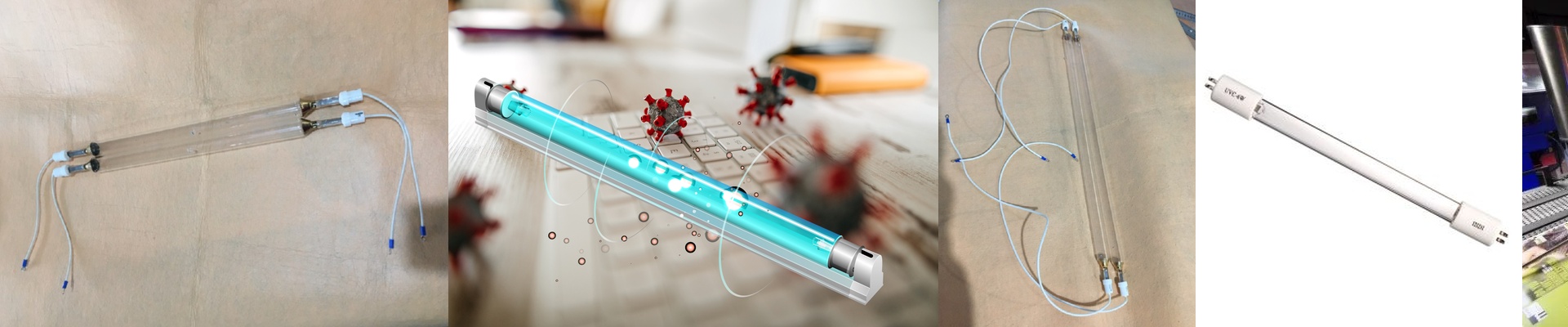
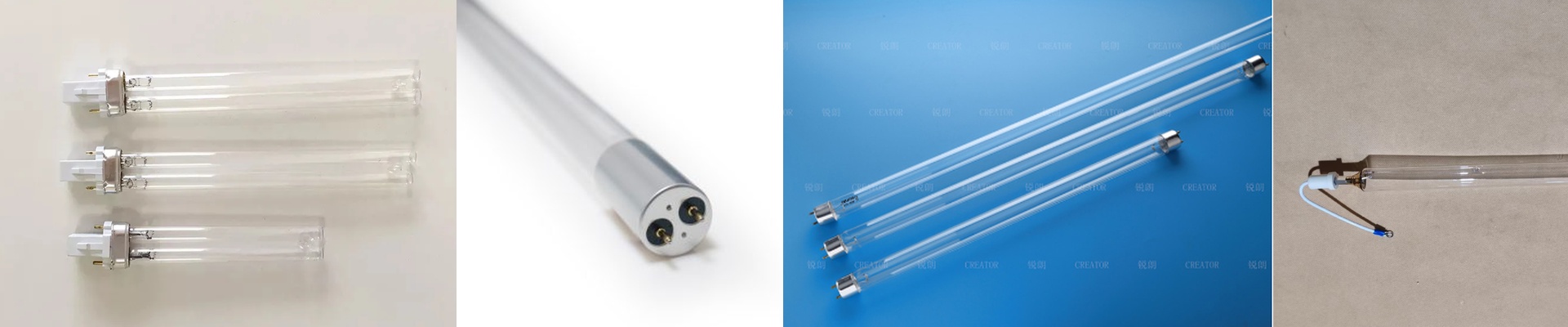
Most UV bulbs you’ll find online just throw out a general blast of UVC light. It works, sure. But we wanted something better. Our R&D team spent months obsessing over the gas mix and the shape of the electrodes. Why? Because we wanted to tighten the peak output. We chased a 0.5% variance in energy concentration. It sounds like a tiny number, but it’s the difference between “close enough” and hitting the exact germicidal sweet spot every single time.
Why “tightening” the light matters
Here’s the thing: standard bulbs bleed energy. They waste power on wavelengths that don’t actually do anything, which just creates extra heat without killing more germs. We fixed that by tweaking the purity of the quartz and the pressure of the mercury vapor inside. By dialing those in, we forced the energy into the 253.7nm band. Basically, you get way more “work” out of every single watt.
The gear (and the catch)
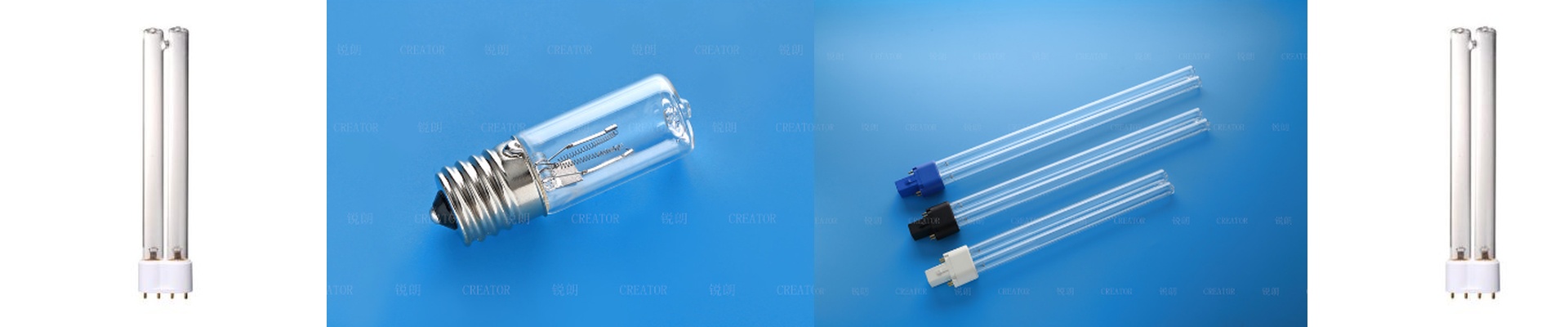
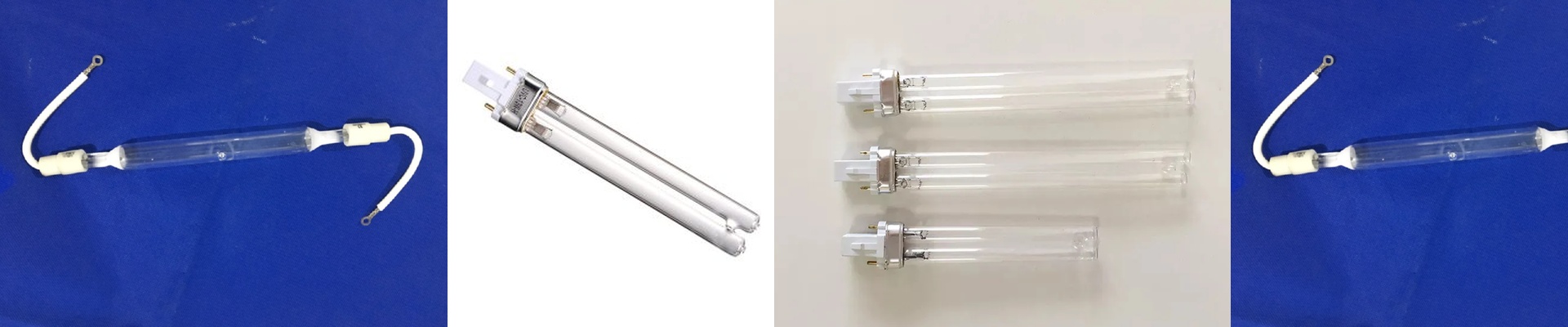
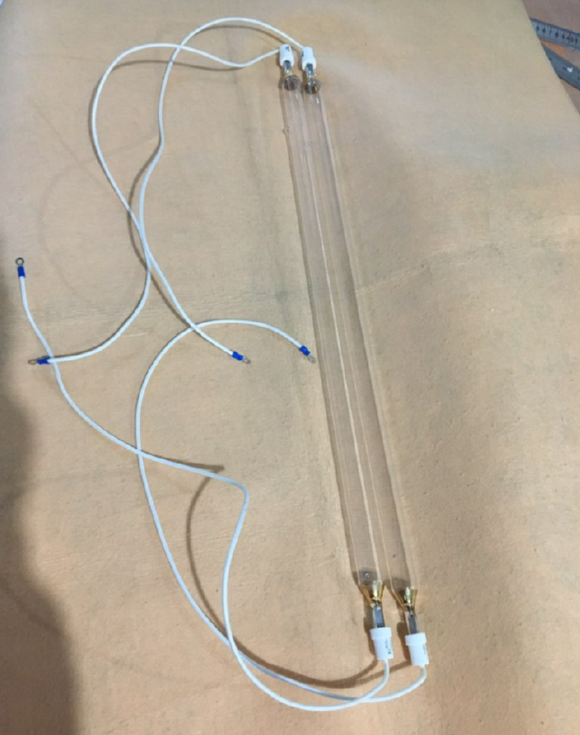
These bulbs are built for heavy-duty industrial use. We used high-grade synthetic quartz so they don’t “solarize.” If you’ve ever seen a bulb get cloudy over time and stop working, that’s solarization. Ours don’t do that. But, there is a catch. Since we’ve tightened the spectral output so much, these lamps are a bit picky about their power. If your voltage jumps around, you lose that 0.5% precision. You’ll need a stable current and a solid ballast to keep things consistent. Just make sure your circuitry is up to the task.
Real-world use
We built these for high-volume lines where every second counts. When you’re running a massive facility with 1,000 lamps, consistency is the only thing that keeps you sleeping at night. If even one bulb is 2% off-peak, you’ve got a blind spot in your sterilization chain. That’s a risk you can’t take. The good news? They’re a drop-in replacement for your standard UVC lamps. They fit right in, but they hit much harder.