Why we don’t skip the CE mark on our Gallium Iodide UV systems
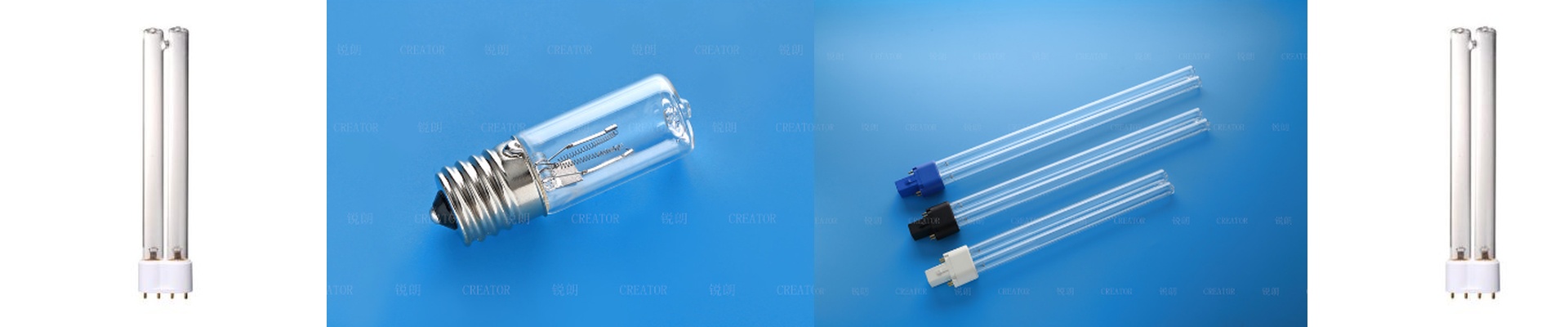
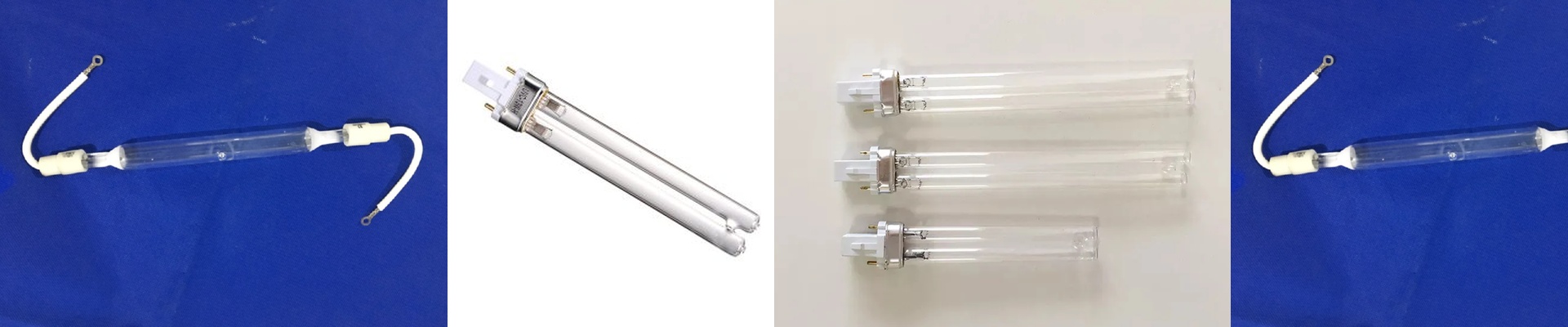
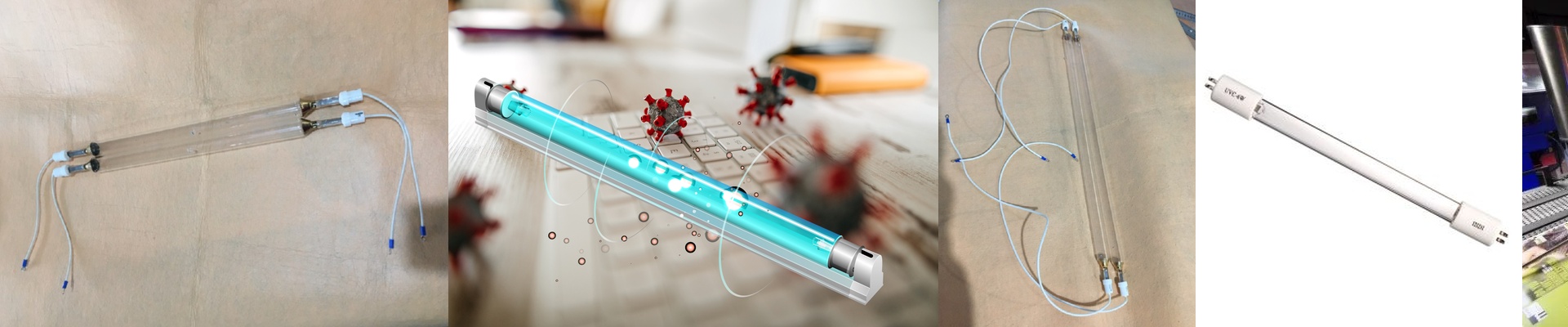
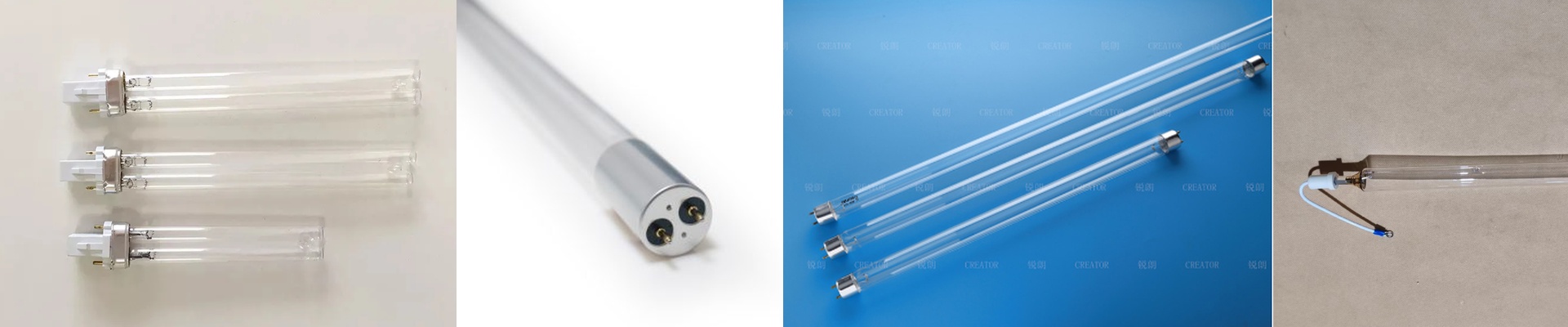
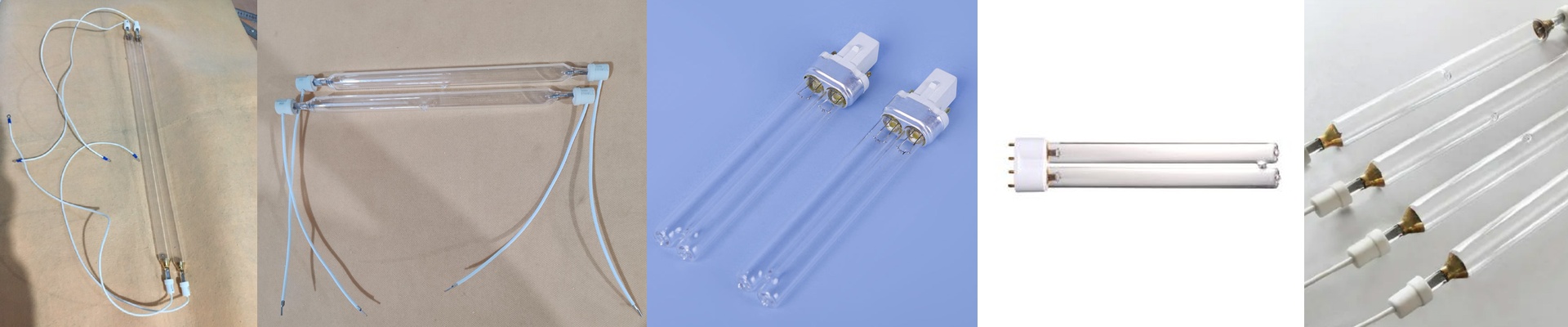
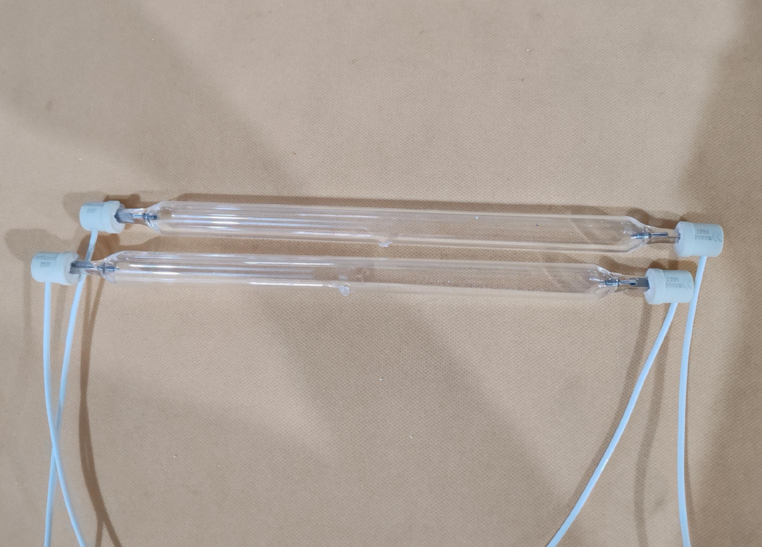
Gallium iodide (GaI) lamps aren’t your run-of-the-mill mercury tubes. They push light into that deep-UV range, which is exactly what you need for high-end sterilization or curing semiconductors. But here’s the catch: when we build these to your specific needs, the physics get messy. We’re talking high-voltage starts and thermal management that has to be spot on. There’s no room for “close enough.”
It’s more than just a sticker
I get it. Paperwork feels like a chore. You might look at CE certification as just another hoop to jump through. But in the UV world, that mark is actually a safety net. It tells you the lamp and the ballast won’t freak out when they’re plugged in. Specifically, it handles things like electromagnetic compatibility (EMC) and low voltage. Why does that matter to you? Because if a lamp isn’t built for EMC, it can leak electrical noise right back into your production line. That noise can trip your sensors or make your PLC controllers glitch.Nobody wants their entire assembly line to crash because of one noisy lamp.
Building for the real world
If you’re selling into high-end markets, you need a paper trail that proves your gear is safe. Getting CE certified pushes us to be obsessive about the small stuff—like the grounding paths and the insulation we use. We stick with high-purity quartz and specific electrode alloys so the bulbs don’t just burn out the moment they hit a high-pressure load. Now, full disclosure: tightening these tolerances can add some time to the lead window. But you aren’t just buying a glass tube here. You’re buying the peace of mind that your machine won’t get flagged and shut down during a site audit.
Reliability you can actually trust
A certified lamp is a predictable lamp. We test the dielectric strength of every single custom build. We want to make sure it can handle a voltage spike without cracking. When you’re wiring this into a high-output curing tunnel, the last thing you want is an arc-over. That’s what the CE compliance gives you. It’s a baseline. It means when you ship these systems across the globe, they’ll actually work the way they’re supposed to.