Keeping Your 80W/cm UV Lamps Steady in a Noisy Shop
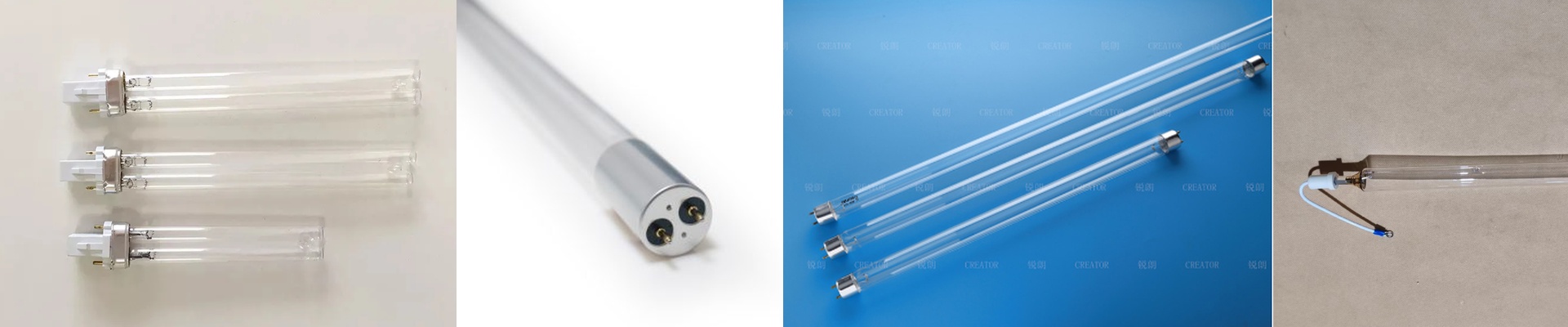
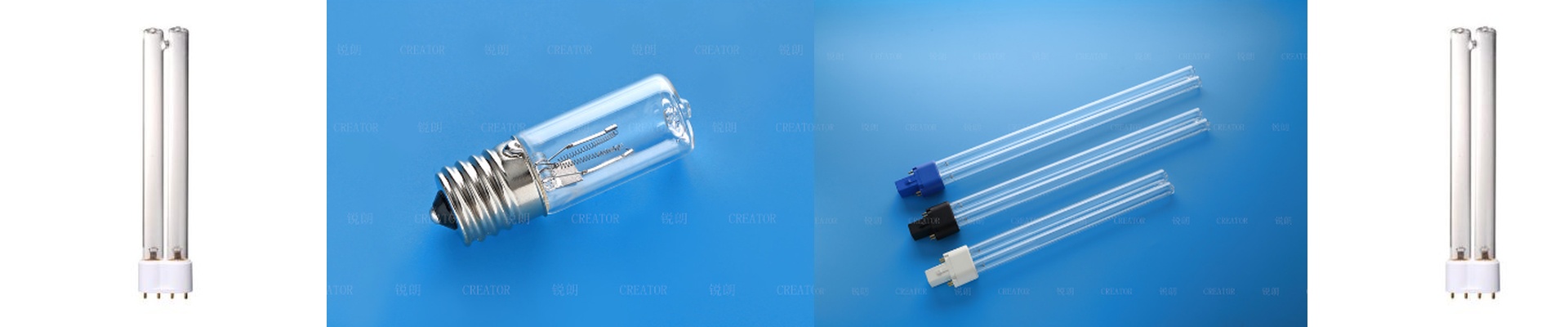
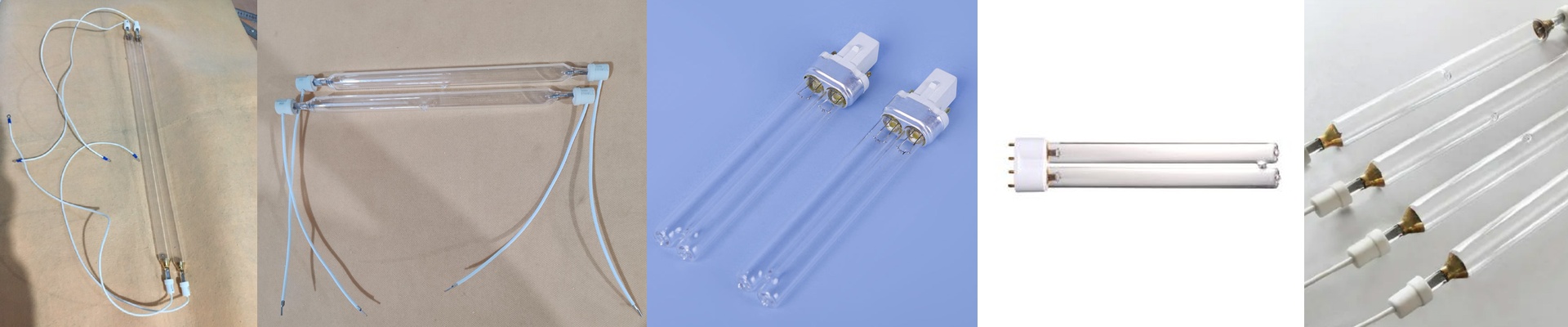
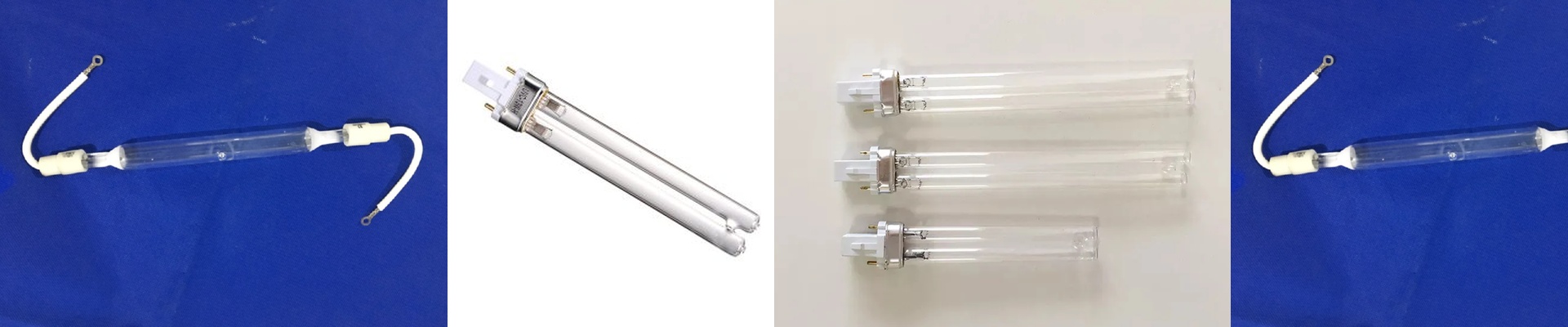
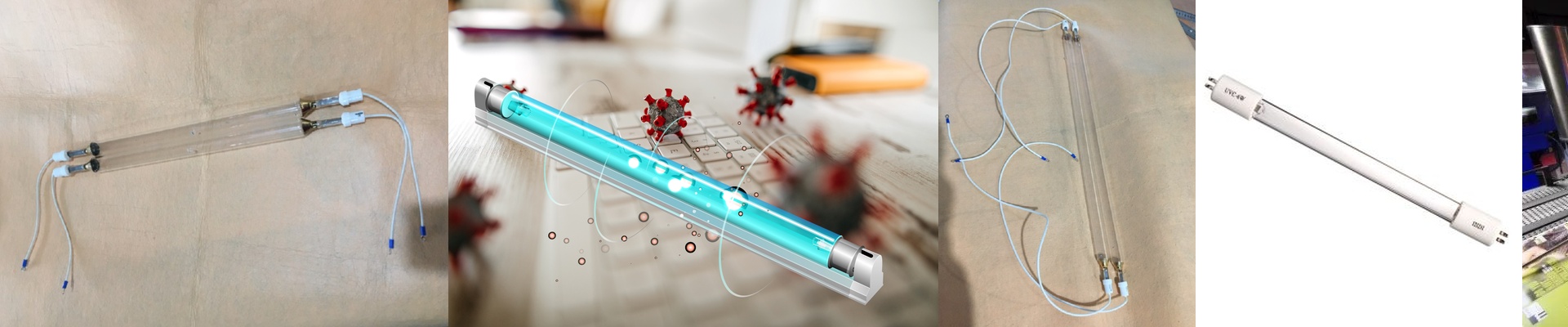
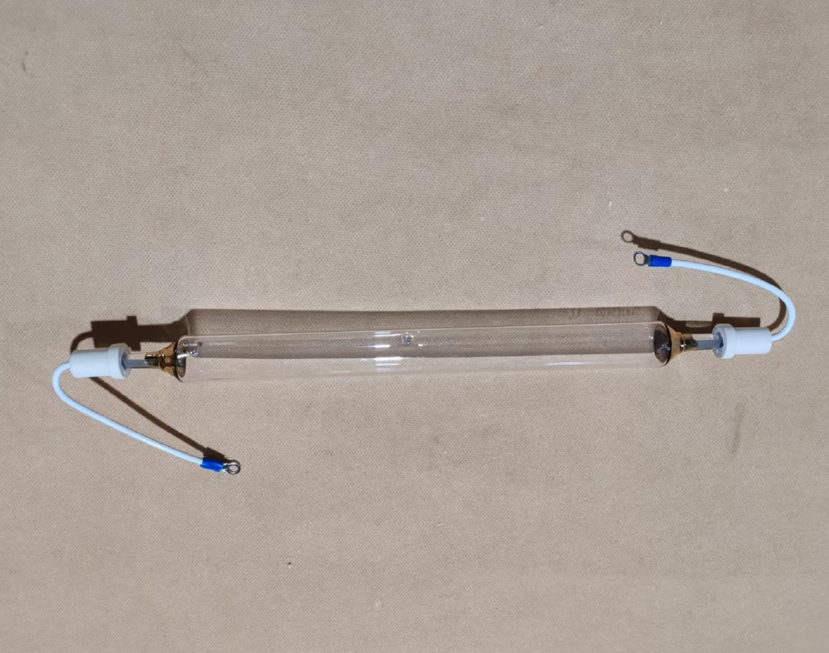
If you’ve ever worked in a busy print shop, you know it’s electrical chaos. When you’ve got several massive presses humming away in one bay, the air is basically thick with electromagnetic interference (EMI). Most people don’t think about “noise” until something goes wrong. But that noise is exactly what trips sensitive ballast controllers or makes cheap lamps flicker. When that happens, your curing gets uneven, and you end up tossing expensive substrate in the trash. It’s a headache nobody needs. Staying steady when things get loud Pushing 80W/cm is a lot of power. To keep that arc discharge from jumping around, we spent a lot of time tweaking the mercury vapor pressure and the shape of the electrodes. Why? Because we wanted a lamp that doesn’t “hunt” or flicker the second a piece of heavy machinery nearby kicks on and sucks power from the grid. You just get a steady, reliable stream of UV, no matter what else is plugged in. Blocking out the noise Here’s the thing: most UV lamps fail in these environments because they basically act like antennas, soaking up all that electrical noise. We built ours to ignore it. By focusing on how the lamp and the electronic ballast talk to each other (impedance matching), we cut down on harmonic distortion. The result is a stable arc that stays put. A few tips for the install These are designed to be drop-in replacements for most standard arrays, so they’re easy to swap. But a word of warning: 80W/cm puts out a ton of heat.Seriously. Double-check your cooling fans and heat sinks. If your airflow is blocked, that quartz envelope is going to overheat. That doesn’t just kill the lamp’s lifespan—it actually shifts the spectral output, meaning your cure won’t be right. And a quick pro tip? Give your reflectors a good clean every 500 hours. It’s the easiest way to keep your output high without having to crank up the power supply and stress the system.