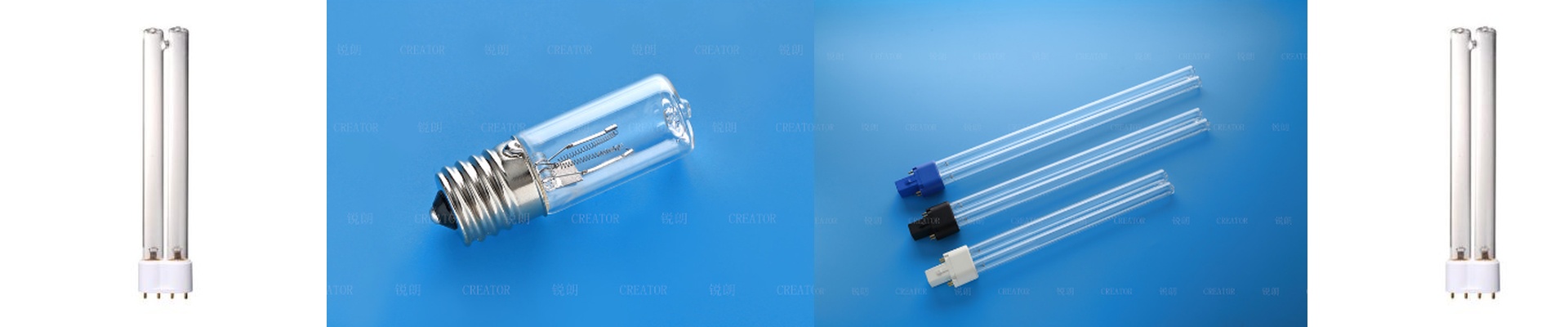
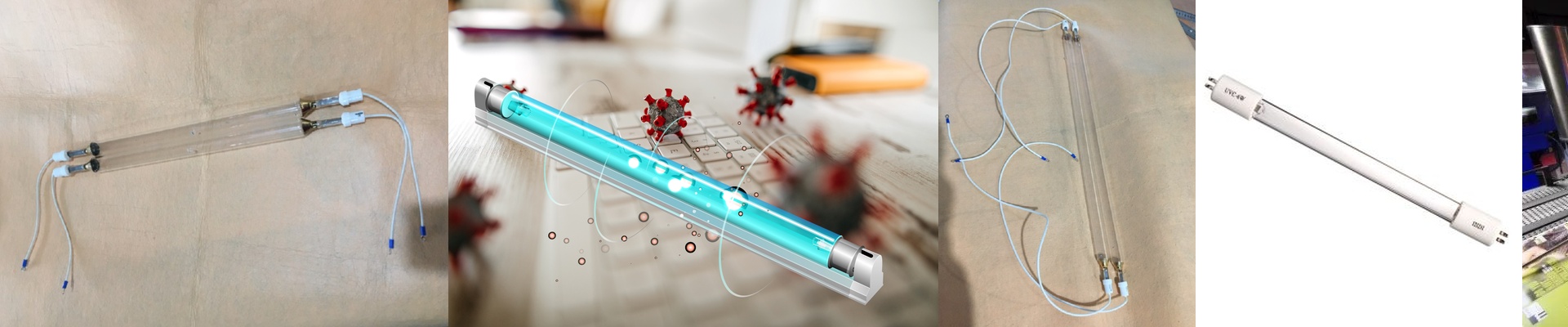
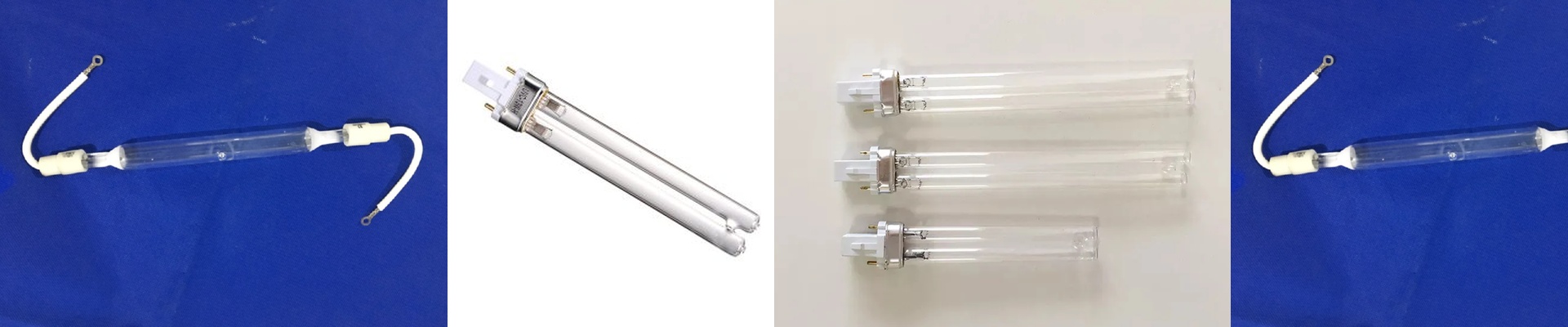
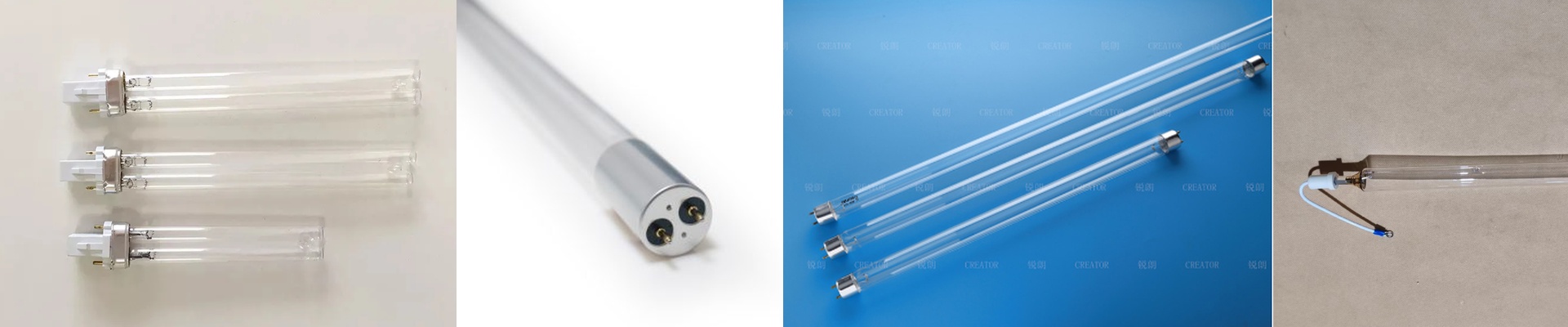
Let’s Talk About Industrial Mercury UV Bulbs
Mercury vapor lamps are basically the heavy lifters of the printing and coating world. But here’s the thing: we don’t just treat these as “parts” you order from a catalog. We spend our time making sure the specs actually fit your setup, so your ink sets properly and your line doesn’t have to slow down.
How they actually work
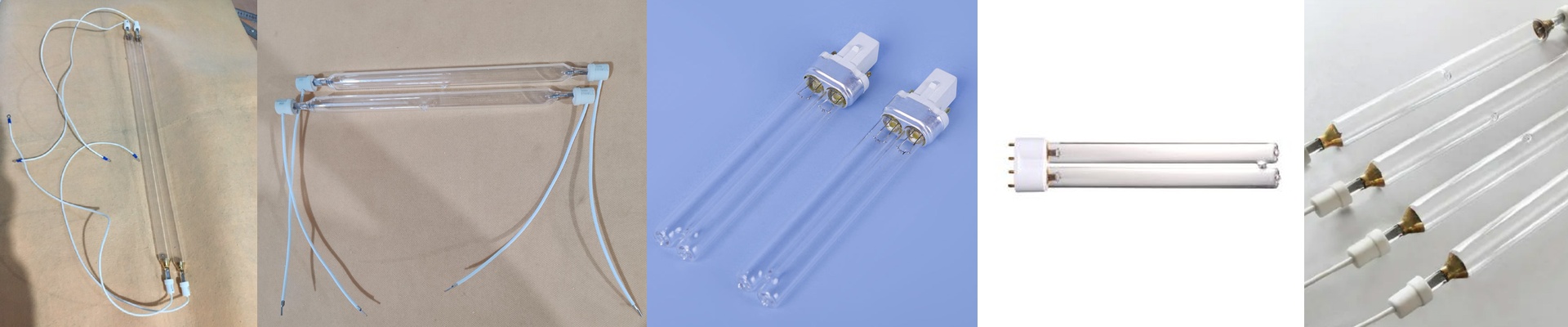
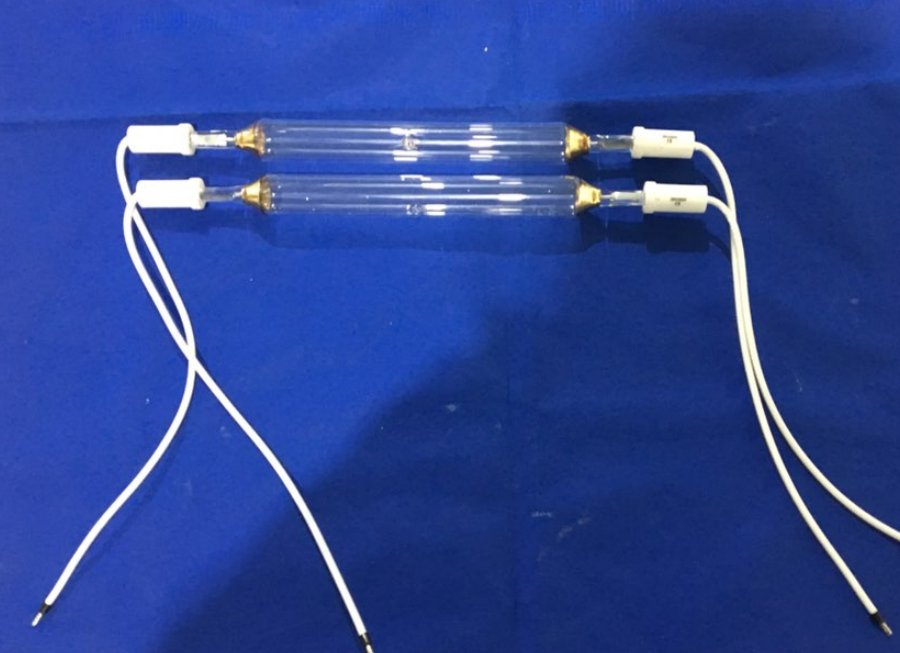
Inside that quartz tube, an electric arc jumps between two electrodes in a mercury-filled space. That’s what creates the UV radiation. Most of the time, we’re looking for that 254nm wavelength to kickstart the photoinitiators in your ink. We’ve got wholesale options in all sorts of wattages and lengths, so they’ll actually fit your conveyor footprint. Now, you might think “more wattage equals better.” And sure, higher wattage means a bigger UV dose per second, which lets you crank up the line speed. But there’s a catch. More power means more heat. If you push a high-wattage bulb without a cooling system that can actually handle it, you’re going to burn out your electrodes way too early. Or worse, you’ll warp your substrates.
Getting the fit right
We use high-purity quartz glass because it doesn’t soak up the UV rays. It also has to survive some pretty brutal thermal expansion without just cracking on you. Depending on what machine you’re running, we’ll give you different end-cap configurations. You want a tight electrical connection here. If it’s loose, you get resistance. That leads to arc-overs or, in the worst cases, melted sockets. Not a great way to start a shift.
Real-world use in printing and coating
These are designed to be drop-in replacements for UV offset and flexographic presses. The goal is simple: a consistent cure across the whole web. We can help you figure out the sweet spot for the distance between the bulb and your material. You don’t want “under-curing,” where the ink stays tacky and ruins everything. But you also don’t want to “over-cure” it, which just makes your coating brittle and prone to cracking. The real magic happens when you match the bulb’s output to your specific ink chemistry. If your ink has a heavy pigment load, you’re going to need a higher intensity bulb to actually punch through that layer.