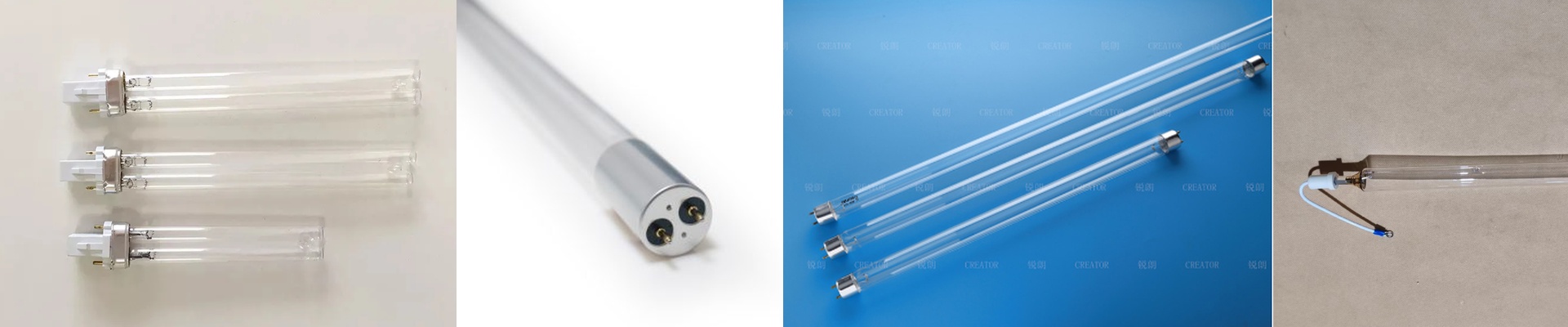
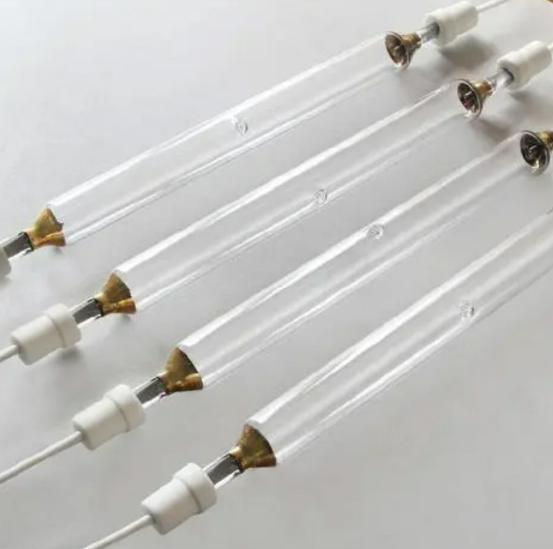
Dealing with Electrical Noise in High-Density UV Lines
If you’ve ever spent a day in a print shop with several big offset or flexo presses running at once, you know the vibe. It’s loud, it’s hectic, and there is electrical noise everywhere. Then you fire up a handful of high-voltage mercury UV lamps. Suddenly, your sensors start acting up and your PLC controllers go haywire. It’s a nightmare. That’s exactly why we build our mercury bulbs the way we do—to survive that kind of chaos. Why the flicker happens Most of that annoying flicker or instability comes down to a mismatch between the bulb and the ballast. It’s a common headache. We fix this by obsessing over the electrode geometry and the gas fill ratios. We keep the internal mercury vapor pressure on a very tight leash. The result? A stable arc. It stops your bulb from turning into a giant antenna that broadcasts electrical noise all over your shop floor. When things get crowded Running one lamp is a breeze. But run ten? That’s where the real trouble starts. In those high-density setups, you’re going to deal with voltage drops and “dirty” power. Most bulbs just can’t handle it. Ours are built to stay lit and keep the UV output steady, even when the power grid is acting up. It saves you from those dreaded “dark spots” on your cured substrate. Plus, it keeps the lamps from burning out early because the arc isn’t jumping around. The catch: Heat Now, this kind of stability isn’t magic. It takes some heavy lifting. To keep the interference out, we use beefier quartz glass and reinforced end-caps. These parts are tough, but they hold onto heat. That means you can’t cut corners on your cooling. If your chilled air or water loop isn’t up to the task, the bulb is going to overheat. It doesn’t matter how stable the electrical arc is if the glass is melting. Keep that airflow moving and you’ll be golden.