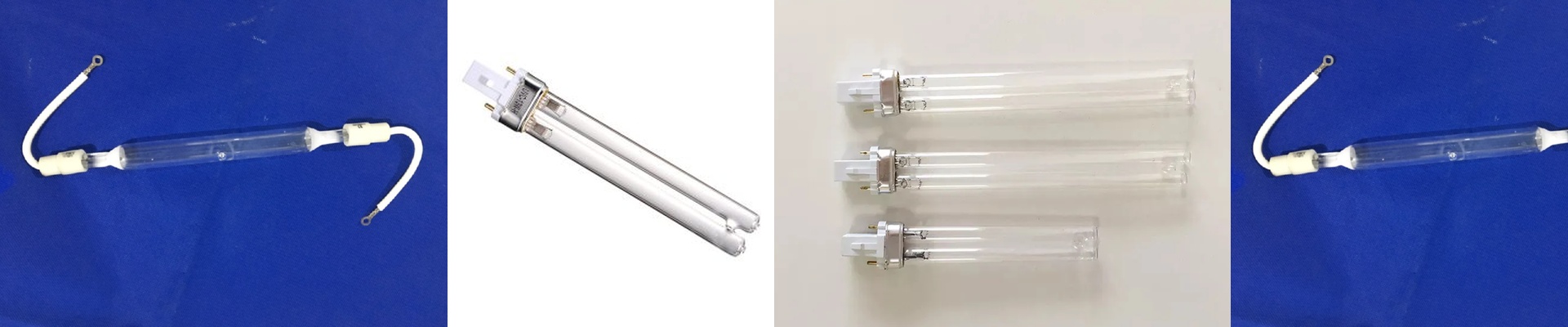
Getting UV Curing Right (Without the Headaches)
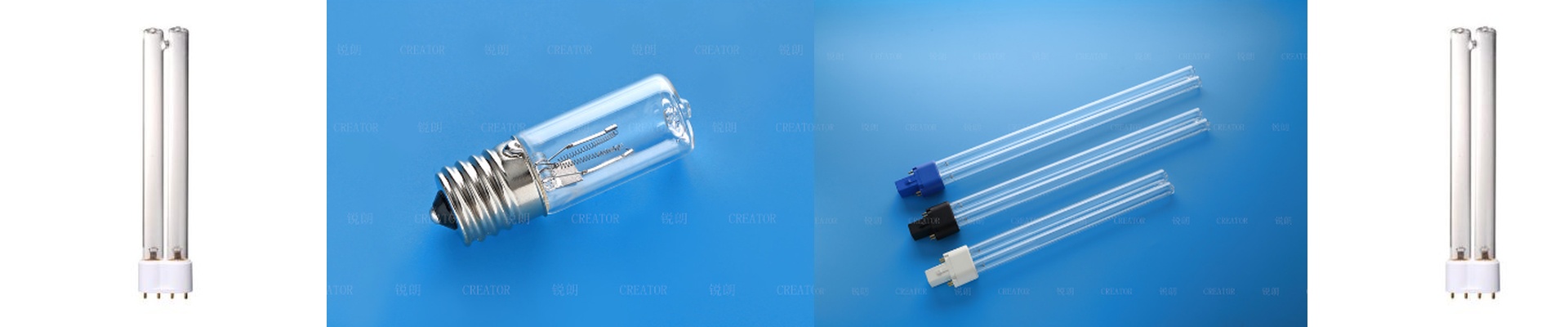
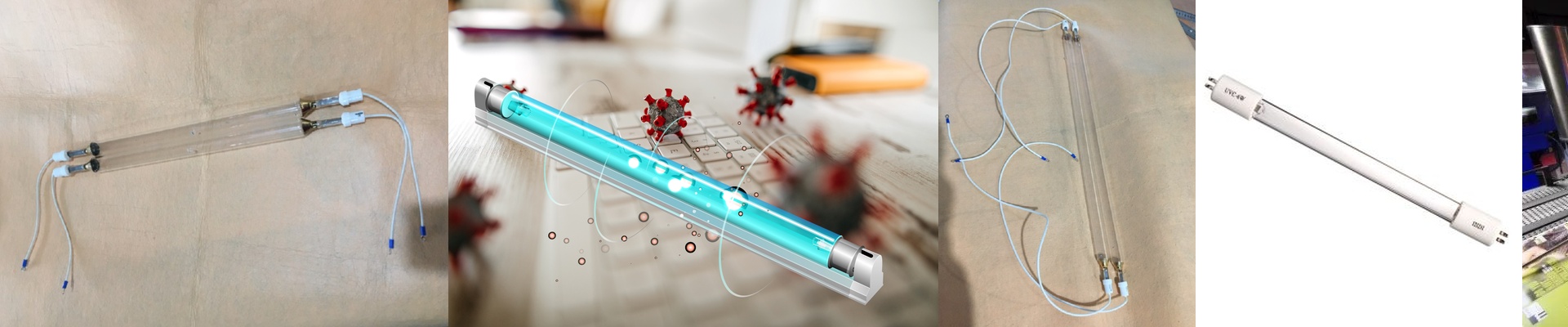
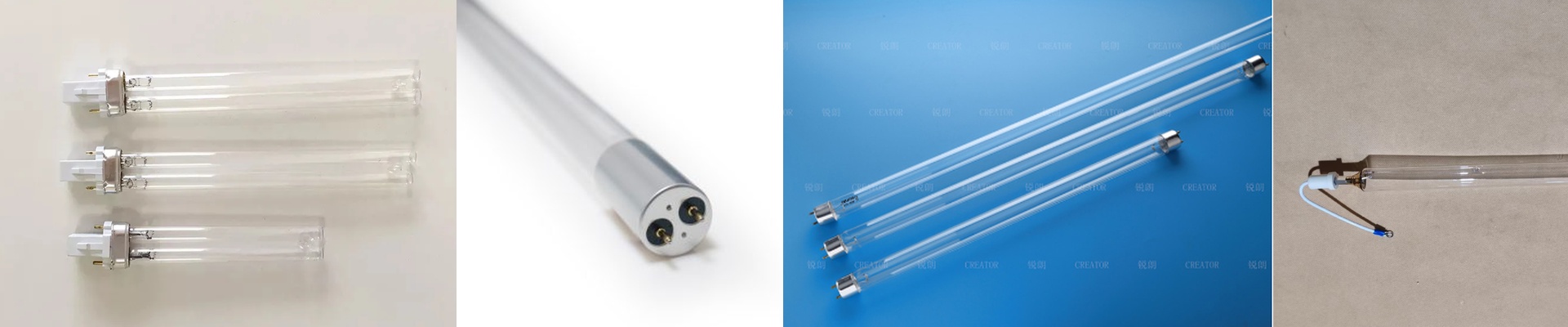
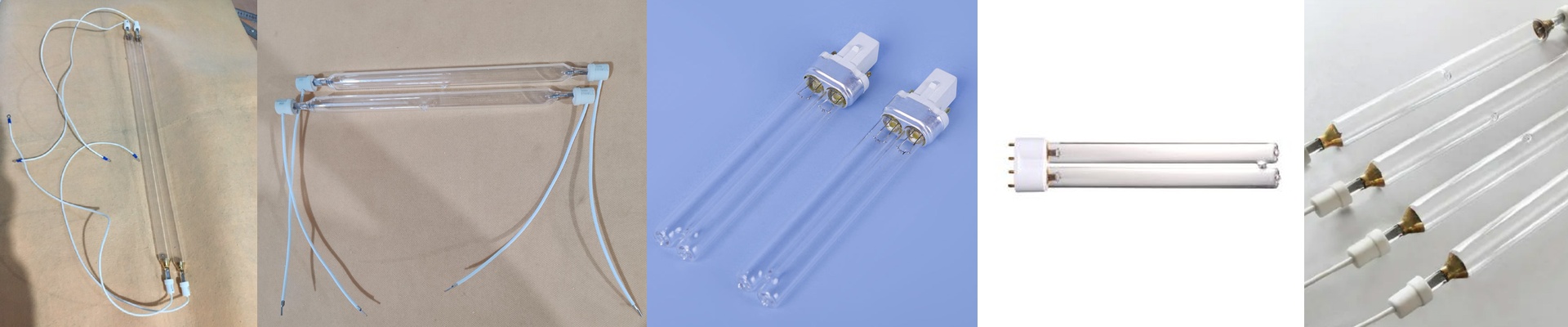
We build UV lamp modules for industrial printing—the kind of high-volume setups where everything needs to move fast. If you’re heading to the 2026 Printing Exhibition, you’ll see a lot of talk about the lights themselves. But honestly? The light is the easy part. The real challenge is managing the heat and power when you’re running your lines 24/7. The Power Struggle Here’s how it works: we use specific wavelengths to get those UV inks to set instantly. We figure out the wattage based on how fast your conveyor is moving. Now, high wattage is great because it cures the ink in a blink. But it’s a heavy lift for your power supply. If you’re pushing for those lightning-fast cure times, just double-check your electrical panels. You don’t want a surprise trip when the lamps ignite and that initial current spike hits. Keeping Things Cool We use high-purity quartz glass. Why? Because it doesn’t soak up the UV rays, meaning more power actually hits your product. We also designed these as drop-in replacements. No one wants their line down for hours just to swap a part. To stop things from melting down, we’ve added aluminum heat sinks to pull the heat away from the bulb. If you don’t manage that thermal energy, the quartz gets stressed and the electrodes burn out way too soon. The Real-World Trade-offs Wiring these things can be a bit finicky. You’ll need a good shield on your cables so you don’t get EMI interference messing with your PLC. We can give you a few different connector options so they actually fit where you need them to. But here is the honest truth about high-intensity UV: you can’t have everything. If you run a lamp at 100% power, you get the fastest cure possible, but you’re killing the electrode life. It’s like redlining a car engine. We usually suggest spec’ing your modules at about 80% capacity. It gives you a nice safety cushion for power surges and means you aren’t swapping lamps every five minutes. One last thing. Keep your airflow clear. If those cooling fans quit, these modules will overheat in a matter of minutes. Keep them breathing, and they’ll take care of you.