Making Gallium Iodide UV Lamps Actually Smart
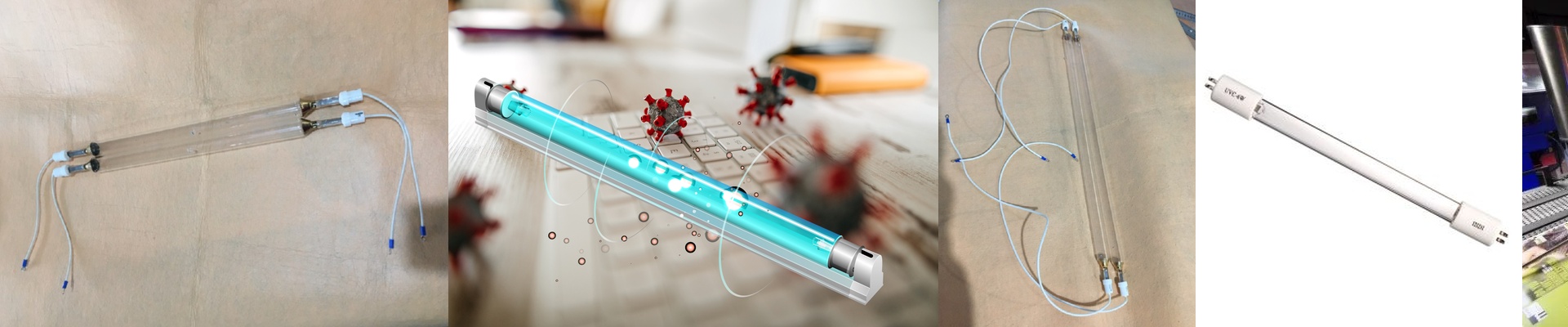
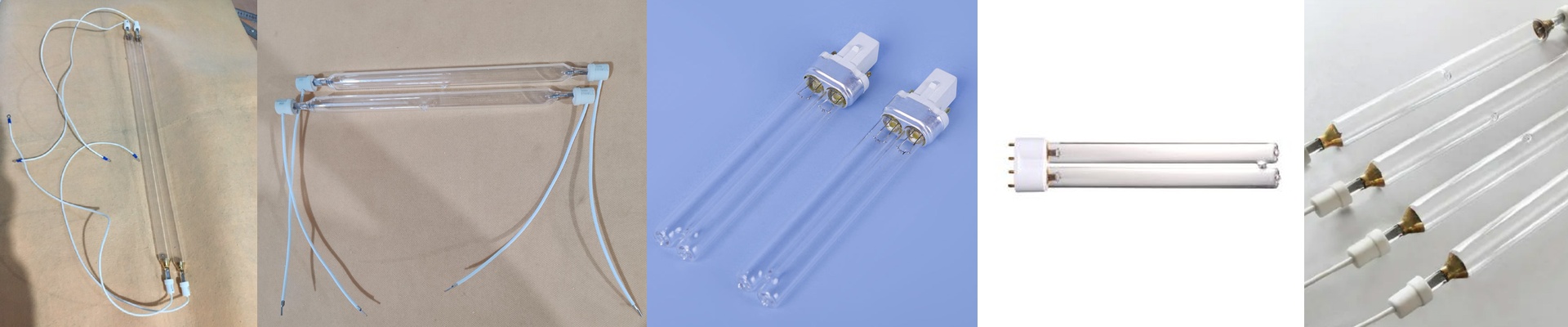
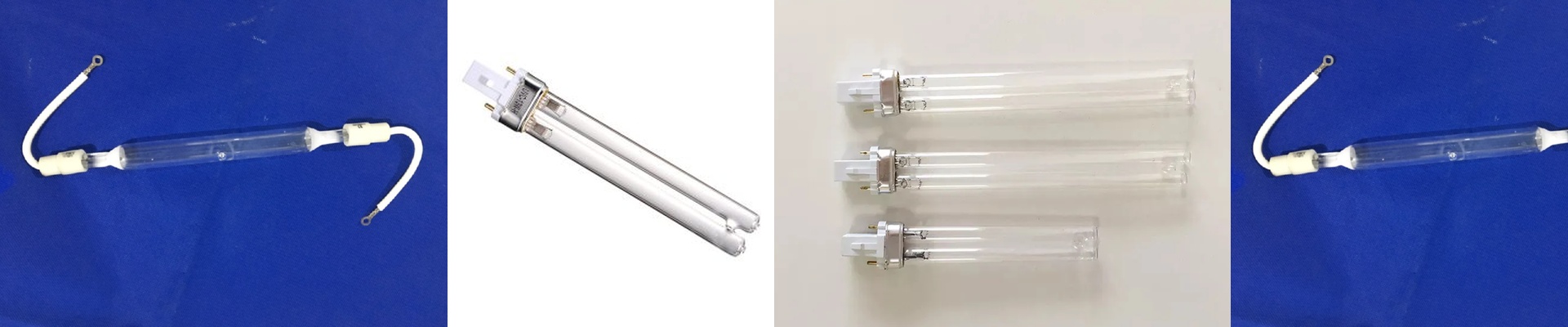
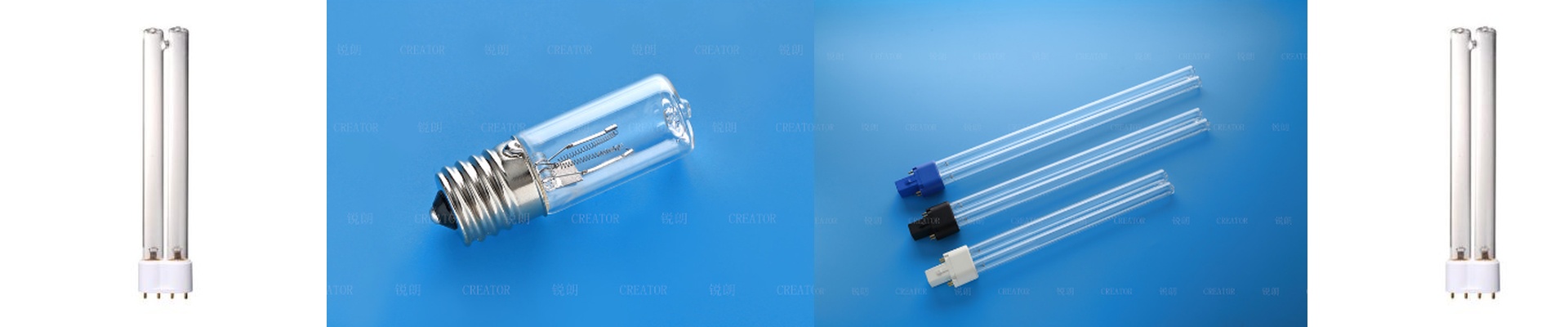
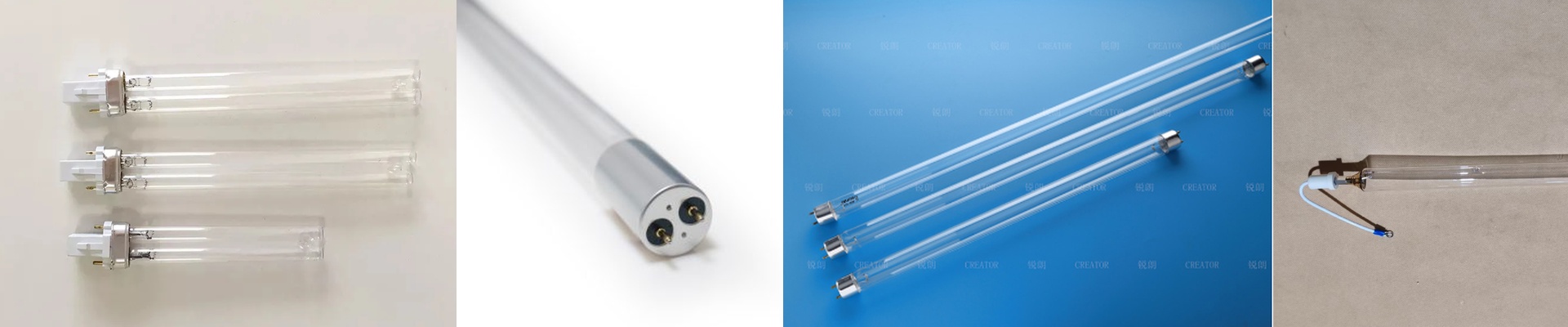
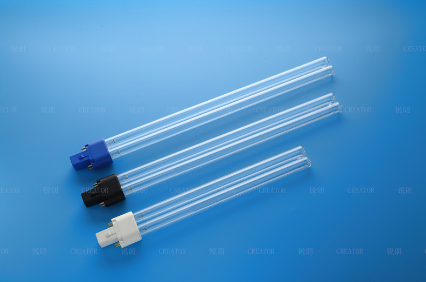
Let’s talk about Gallium Iodide (GaI) lamps. If you’re dealing with deep-cure jobs where standard mercury lamps just can’t cut it, you know these things are a lifesaver. But for a long time, they’ve been “dumb” hardware. You plug them in, hope for the best, and cross your fingers. We’re changing that. We’re moving away from the guesswork and putting real, remote energy monitoring right into the line. The tricky part about the physics Here is the deal with GaI lamps: they use gallium atoms in an iodide matrix to create a narrow beam of light. It’s great because it punches through thick coatings and pigmented resins, giving you a cure depth that stays consistent. But there’s a catch. These lamps are incredibly moody when it comes to voltage. If your power supply drifts by even 5%, the light shifts. Suddenly, you’re looking at parts that aren’t cured properly or, worse, surfaces that are starting to scorch. It’s a headache. Stop guessing, start knowing To fix this, we’ve started building sensors directly into the lamp housing. Now, instead of staring at a timer and guessing when a tube is about to die, you get a digital readout of the actual energy hitting your product. It works through an IoT gateway that feeds data straight to your PLC. When the output dips below where it needs to be, you’ll know immediately. It turns maintenance from a “maybe it’s time” calendar chore into something you do only when the data tells you to. The honest trade-offs Now, nothing is perfect. Adding this gear means the lamp head is a bit bigger. Before you swap out your old units, just double-check that you have enough room in your machine. Also, UV light is brutal on everything—including the sensors. We’ve spec’d them to last about 80% as long as the lamp itself. In plain English? You’ll probably just replace the sensor and the tube at the same time. Simple. One last thing: the wiring. If your shop floor is full of big motors creating a ton of electrical noise, don’t skip the shielded cabling. Otherwise, you’ll get ghost signals and false alarms in your software, and nobody wants that.