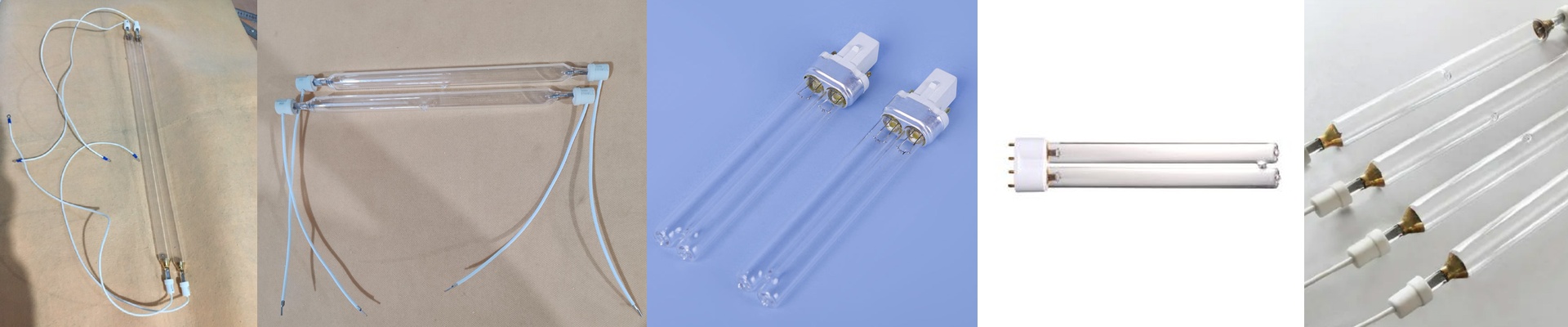
Getting Your Textile Curing Right with Gallium Iodide UV Lamps
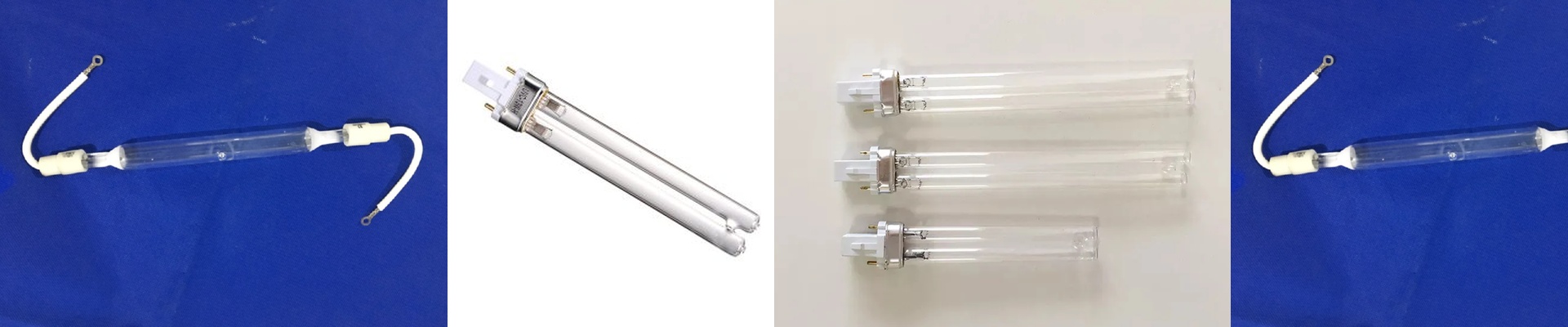
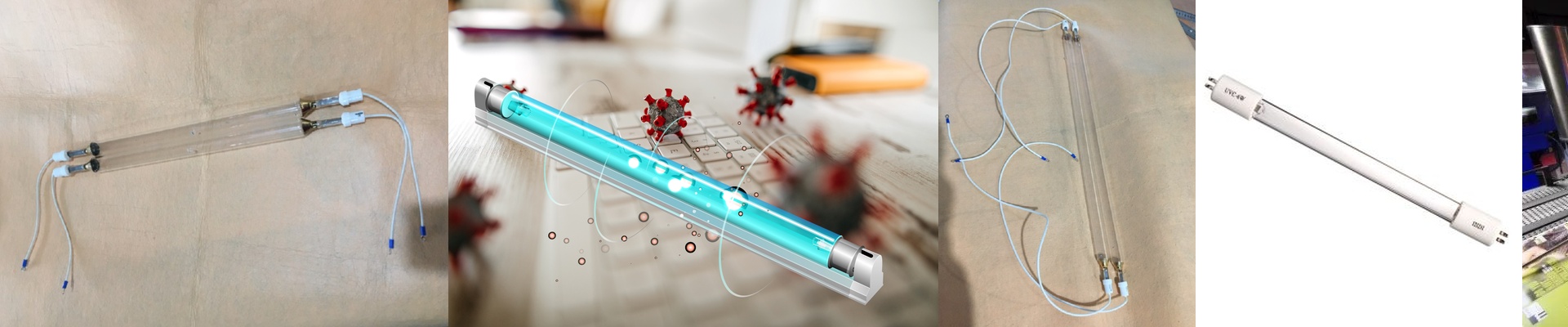
If you’ve ever dealt with standard mercury vapor tubes, you know the frustration. They’re great for some things, but they often just skim the surface. You end up with a print that looks dry on top but stays gooey underneath. That’s where our Gallium Iodide (GaI) lamps come in. Instead of hitting the UVC range, these lamps push the light into the UVA and UVB bands. Why does that matter? Because those longer waves actually sink into thick ink layers. It means the core of your ink cures completely, not just the top skin. The nitty-gritty on light and heat We build these lamps to line up perfectly with the photoinitiators in high-end textile inks. Whether your fabric is thin or heavy, the cure stays consistent. No more guessing games. But here’s the thing: these lamps put out a lot of heat. If you crank them to full power, you’ve got to make sure your exhaust system can actually move that hot air away from the fabric. If the material gets too hot, it’ll shrink or turn yellow. To avoid scorching your work, just find that sweet spot between your lamp power and how fast your conveyor is moving. Fitting them into your shop We don’t do “one size fits all.” We build these custom, so the length and diameter fit right into the curing tunnel you already have. We also use quartz glass with special coatings. This is a big deal because it blocks the infrared radiation. Basically, it keeps the heat inside the lamp and puts the UV where it belongs—on the ink. And since we know production lines stop and start all day, we use industrial-grade electrodes. They won’t burn out on you after a few weeks. Most of the time, these are simple drop-in replacements for your old gear. Just double-check that your ballast is putting out the right voltage for Gallium chemistry before you flip the switch. What this means for your prints At the end of the day, nobody wants “tacky” fabric. GaI lamps get rid of that sticky residue you usually find in deep-pile fabrics. Plus, because we’ve tuned the wavelength, you aren’t over-curing the surface. That’s the secret to a print that stays flexible. Your designs won’t get brittle or crack when the fabric stretches. It just feels right.