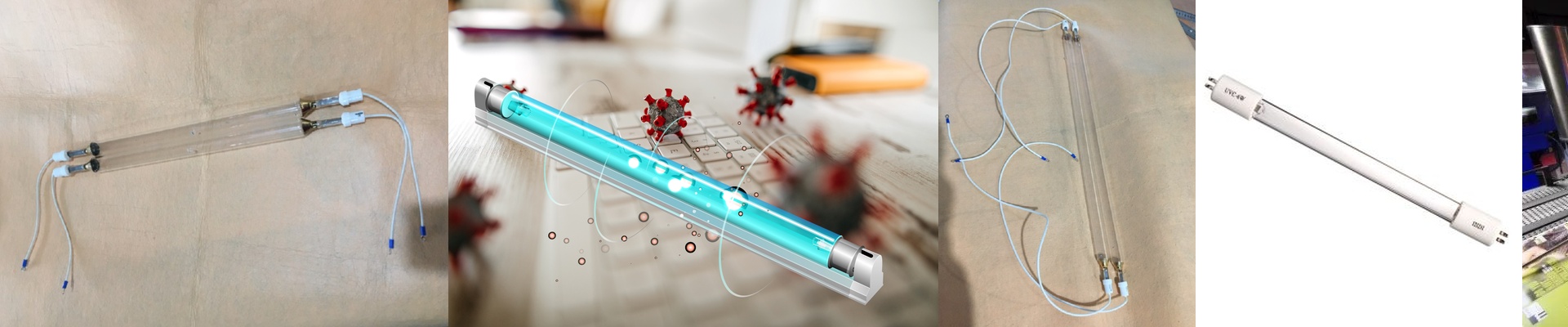
Why that CE mark actually matters for your UV bulbs
When you’re ordering industrial mercury UV bulbs in bulk, it’s easy to think you’re just buying some quartz and gas. But you’re actually buying peace of mind. In this business, the CE mark is basically a passport. It’s what keeps your shipment from getting stuck at customs and ensures you don’t sweat it when a safety auditor walks through your front door.
What’s actually happening under the hood?
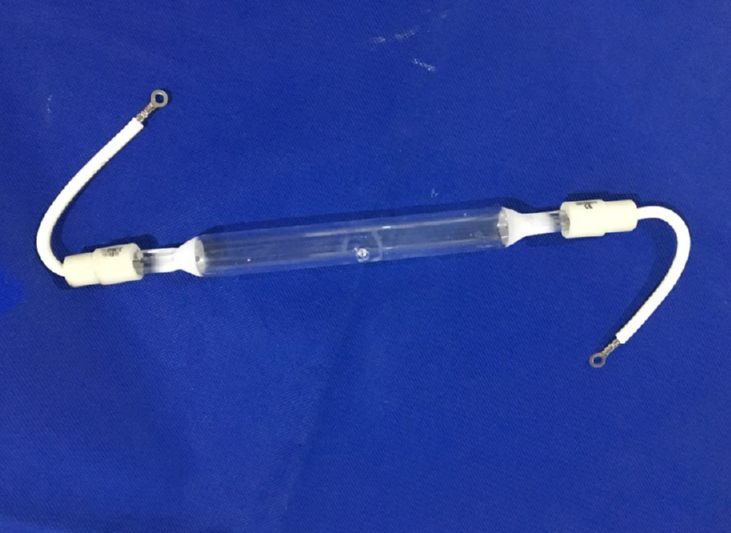
A CE mark isn’t just a sticker for show. It means the bulb can actually handle the heat—literally. We spend a lot of time testing how these lamps deal with voltage spikes and thermal stress. We check the quartz envelope and the seals on the end-caps to make sure they’re rock solid. Because if the specs are off? You’re looking at arc-overs or bulbs that burn out way too early the second they hit a high-frequency ballast.Nobody wants to deal with that mid-shift.
Playing it safe
Using non-certified bulbs in a professional curing or sterilization line is a bit like gambling with your equipment. High-wattage systems pull a ton of current. A cheap, uncertified bulb can leak electrical noise into your control systems or, in a worst-case scenario, start a fire in the reflector housing. That’s why we hand over all the documentation. Your insurance company and safety inspectors will ask for it anyway. It’s a simple way to move the risk off your shop floor and put it back on us.
The honest trade-off
I’ll be straight with you: staying this compliant takes time. Every batch goes through a much tougher screening process, which means our lead times are a bit longer than some of those “no-name” wholesalers you’ll find online. But for most engineers, the choice is a no-brainer. You can wait a few extra days and get a replacement that just works—no tripped breakers, no regulatory headaches, and no surprises.