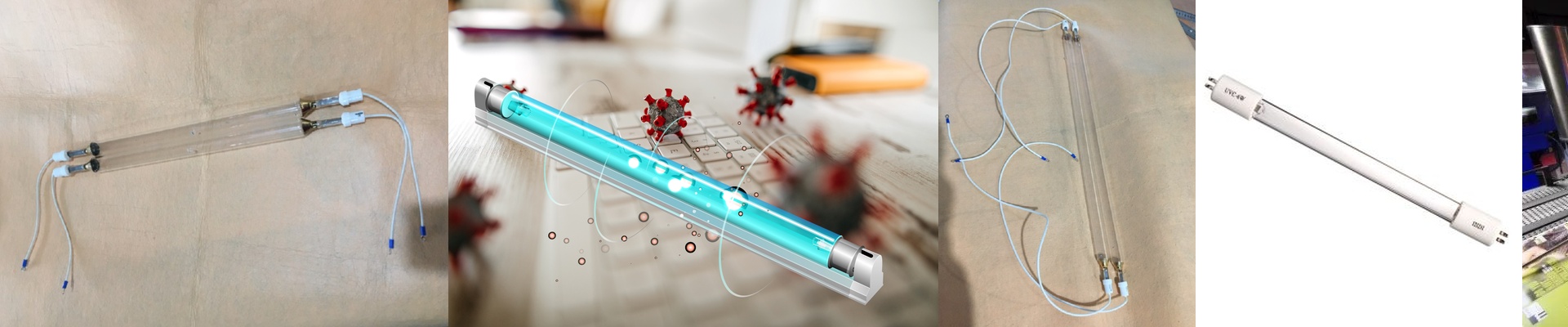
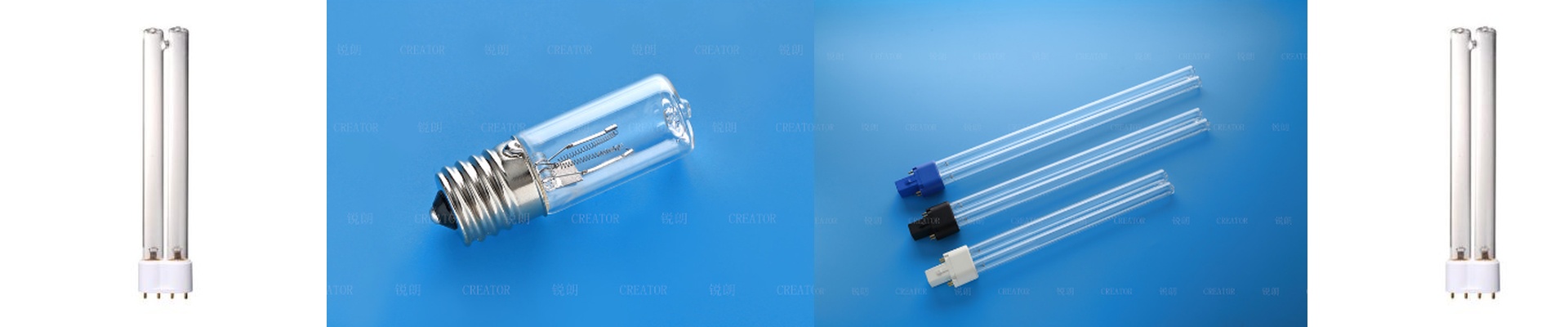
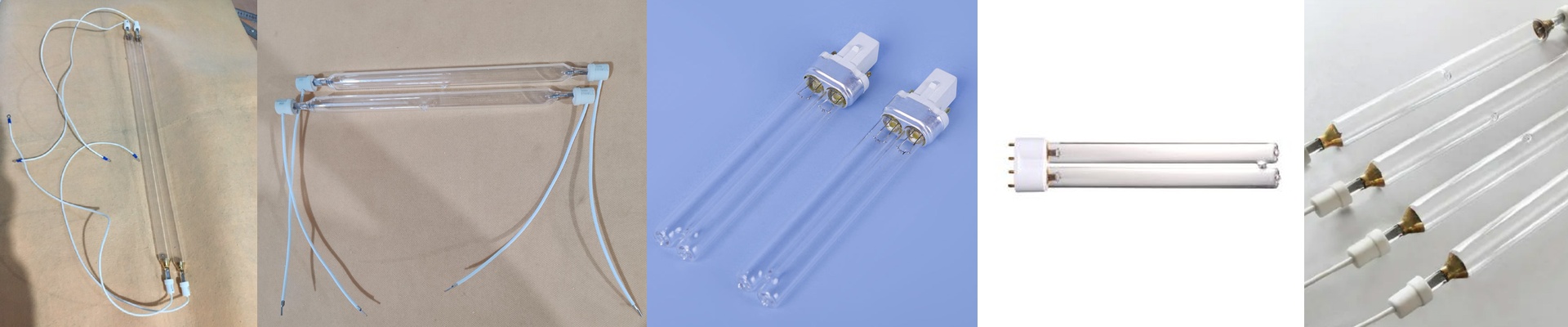
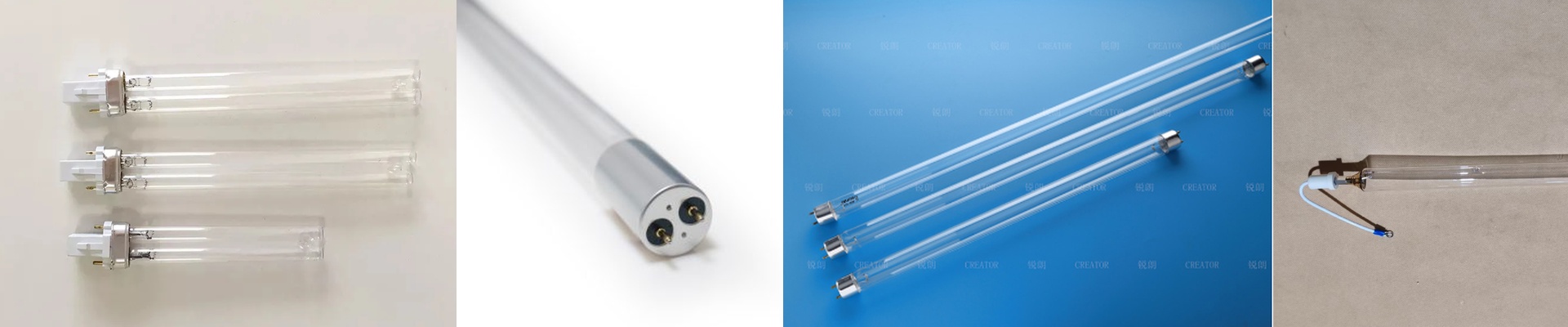
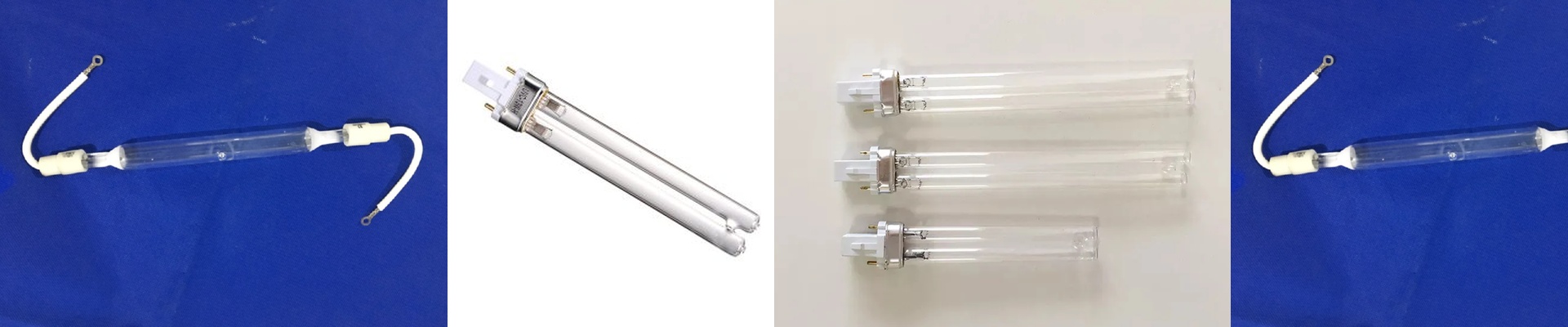
Making Mercury UV Bulbs That Actually Last (And Don’t Trash the Planet)
Let’s be honest: standard mercury UV curing bulbs are the backbone of most industrial drying setups. They do the heavy lifting, hitting those specific UV-C and UV-B wavelengths that snap polymers together in a matter of seconds. But there’s a catch. Most shops are tired of the constant cycle of bulbs burning out and the headache of dealing with hazardous waste. We’re changing that. We’ve shifted our focus toward stability and cleaner materials, simply because replacing lamps every few weeks is a pain for everyone. The nitty-gritty on power Getting a UV bulb to perform right is all about a delicate balance. You’ve got wattage, voltage, and the pressure of the mercury vapor all fighting for equilibrium. Sure, cranking up the wattage gives you more photon flux, which means your curing line moves faster. But you have to be careful with your ballast. If the voltage is too high, you’ll blow the electrodes. Too low? The lamp never hits its stride and won’t reach the temperature it needs to work. It’s a tightrope walk. Better glass, longer life We use high-purity fused quartz for the envelope. Why? Because it lets the UV radiation slide right through without getting absorbed. One of the biggest annoyances with these bulbs is “sputtering”—that annoying process where metal deposits cloud up the glass over time, dimming the light. We’ve tweaked the electrode mix to stop that from happening. The result is a light output that stays steady, not one that fades away. And we’re getting smarter about disposal. We’re cutting out the nasty additives in the glass and tightening the seals. It makes the whole process of getting rid of old bulbs a lot less stressful. The honest trade-off Here is the thing: long-life bulbs aren’t a magic wand. If you want a lamp to last longer, you usually have to run it at a lower current. That might mean slowing down your conveyor belt a bit to make sure everything is fully cured. You just have to decide what matters more: raw speed or fewer maintenance shutdowns. One last tip? Keep your reflectors clean. Seriously. Every 500 hours, give them a wipe-down. A dirty reflector will kill the efficiency of even the most expensive lamp on the market.