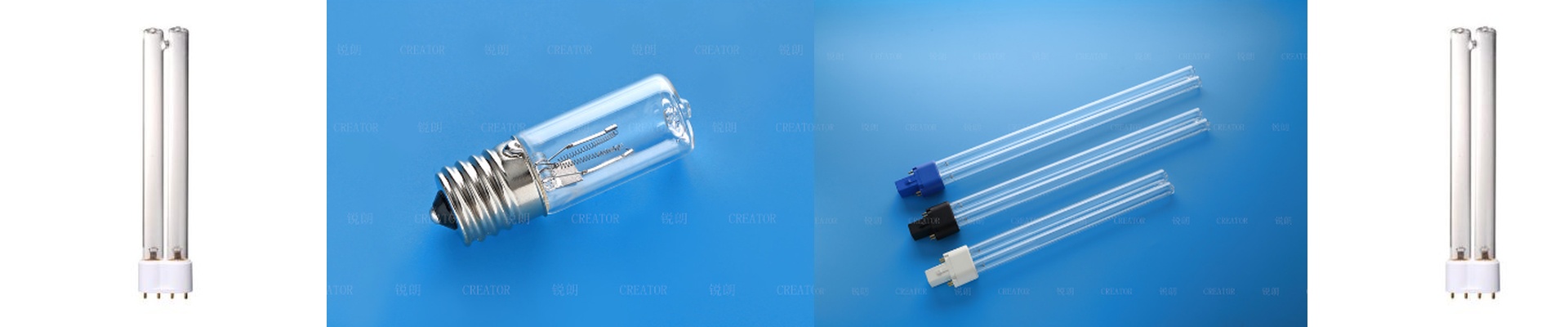
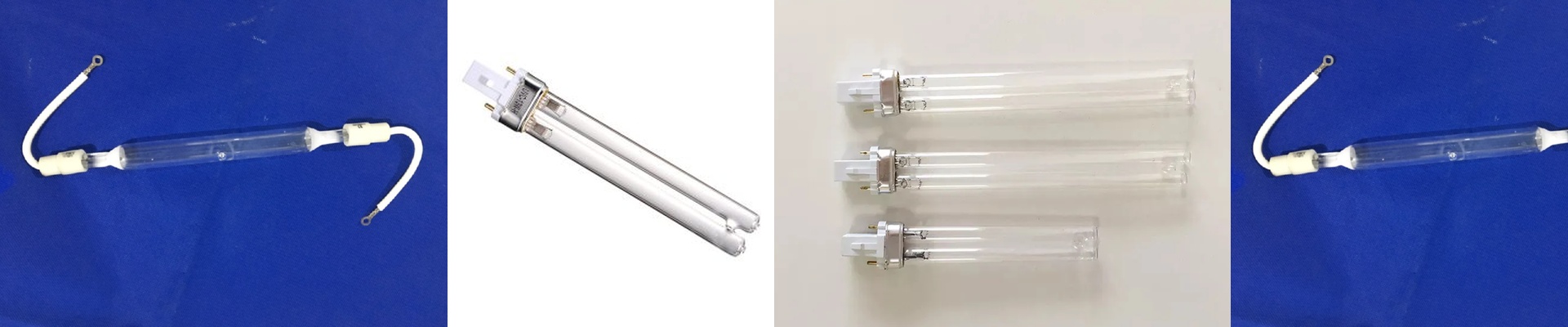
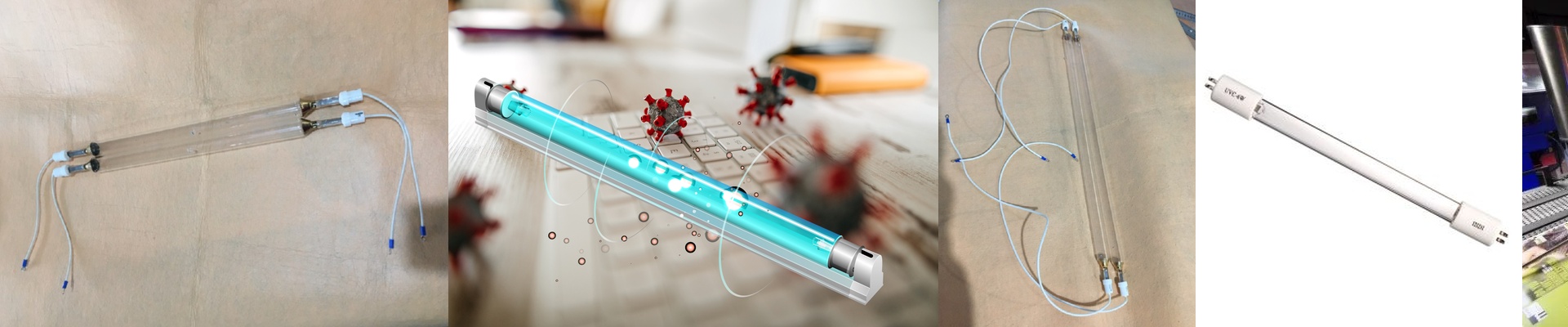
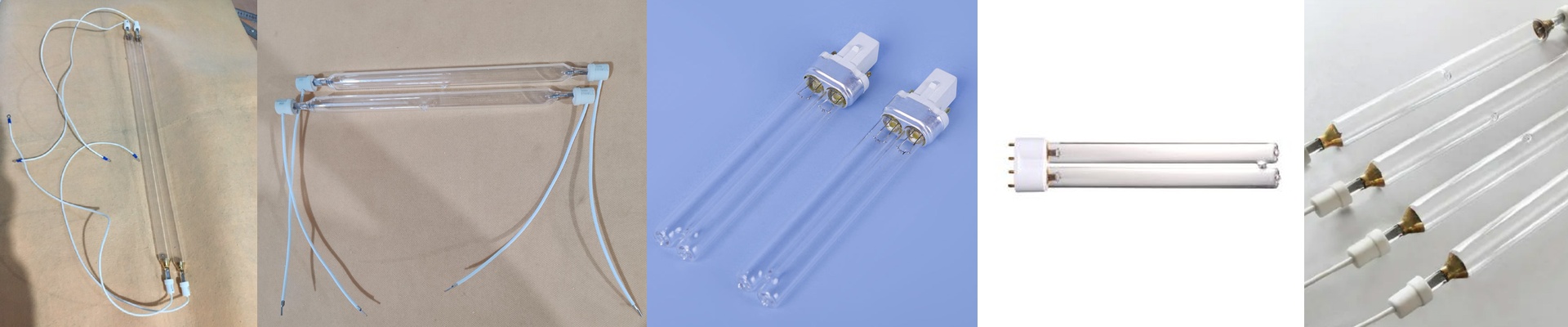
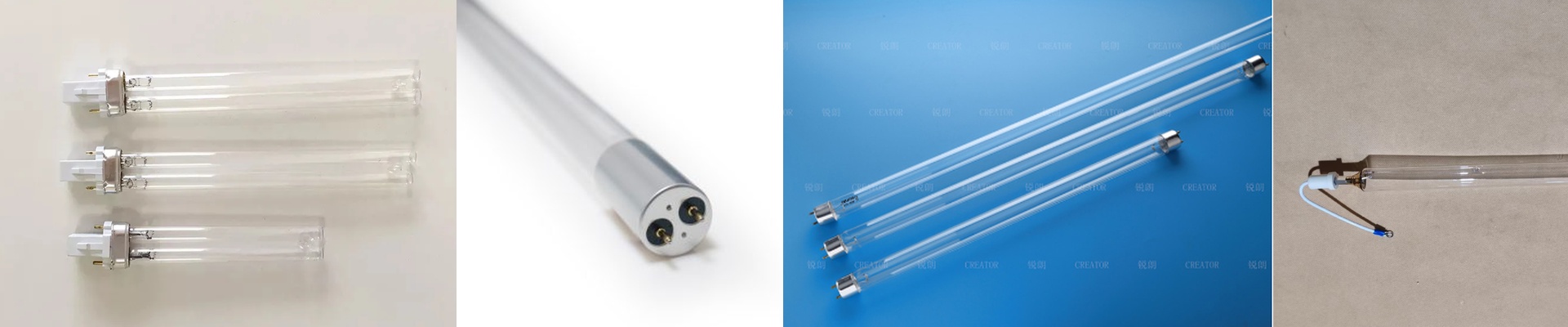
A Plain-English Guide to Our Mercury UV Bulbs
Let’s talk about how these bulbs actually work. At the end of the day, we build these things for one reason: to make your inks and coatings dry almost instantly. When you flip the switch, the lamp turns electricity into short-wave UV radiation. This hits the liquid film on your product and triggers a reaction that hardens it into a solid layer in a heartbeat. It’s fast. Really fast. And that’s what keeps your production line moving.
The “Magic” Inside the Tube
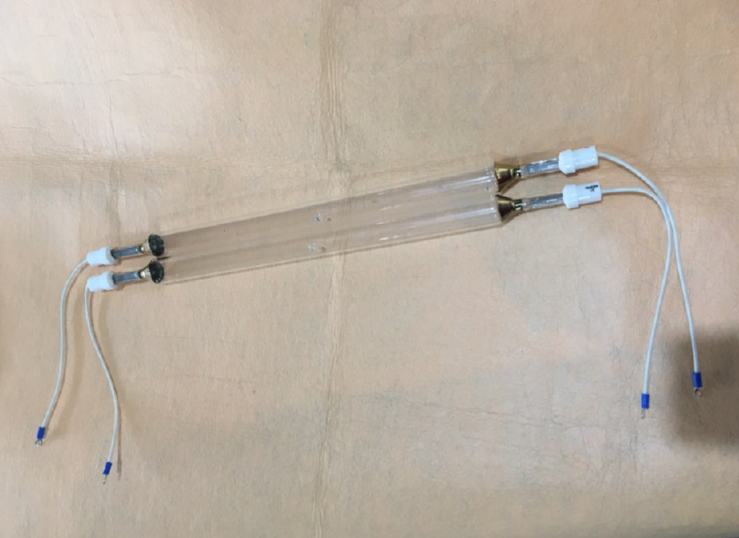
Inside each tube, we use a mercury vapor arc. Once it powers up, the mercury ionizes and creates a plasma discharge. This is where that specific UV light—mostly peaking at 253.7 nm—comes from. You’ll notice the tubes are made of high-purity fused quartz. There’s a good reason for that. Regular glass is basically a wall that blocks UV rays. Quartz lets that energy slide right through without absorbing it, which keeps the tube from getting too hot and cracking under pressure.
Power vs. Heat: The Great Trade-off
You’ve probably noticed that wattage and voltage dictate your irradiance—basically, how much UV energy is actually hitting your product every second. Want to speed up your line? Crank up the wattage. But here’s the catch: high-intensity bulbs don’t just put out UV; they pump out a ton of infrared heat too. If your cooling fans or water-jackets aren’t up to the task, you’re asking for trouble. You might end up scorching your materials or, worse, burning out your bulbs way sooner than they should go.
Keeping Things Running Smoothly
We designed these to be simple drop-in replacements for most industrial presses. Just make sure your ballast matches the lamp’s voltage and current. If they’re mismatched, your bulbs will burn out prematurely. And a pro tip:Check your reflectors. Every few months, take a look at those mirrors. If dust builds up, your UV output drops. You’ll be tempted to run the lamps hotter to make up for it, but that just kills the electrodes faster. One last thing—keep the quartz clean. Use some isopropyl alcohol. And for heaven’s sake,**don’t touch the glass with your bare hands.**The oils from your skin bake right into the quartz, creating “hot spots” that can cause the whole tube to fail.