Getting Your UV Cure Right: The Truth About Mercury Bulbs
If you’ve ever dealt with high-speed coating lines, you know the nightmare of an inconsistent cure. One minute it’s perfect, the next you’ve got “under-cure” at the bottom of the film or a surface that’s been baked into a crisp. Usually, this comes down to something called spectral energy concentration. Now, that sounds like a textbook term, but in the real world, it just means making sure the light hitting your product is exactly what it needs to be. We aim for a variance of just 0.5%. Not because it looks good on a spec sheet, but because that’s the difference between a product that ships and a pile of scrap.
How the Physics Actually Works
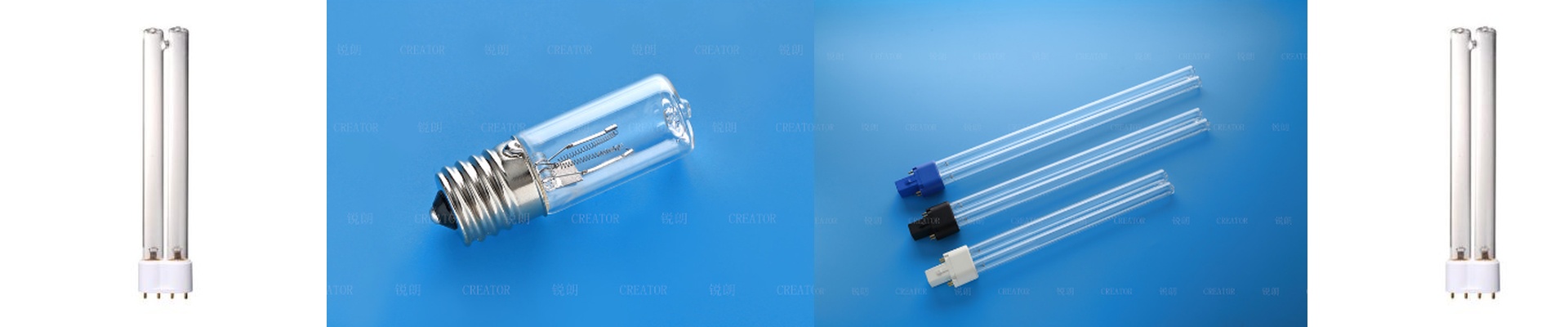
Mercury lamps do their heavy lifting at a few specific peaks—mostly 254nm, 313nm, and 365nm. If that energy drifts by even 1%, your chemistry fails. To stop that drift, we obsess over the mercury vapor pressure and the exact makeup of the quartz glass. Here’s the win: when the spectral focus is tight, you can crank up your conveyor speed. You don’t have to slow down to make sure the bond holds. Plus, you don’t need those massive, oversized lamps that mostly just pump out wasted infrared heat.
The Trade-offs (Because Nothing is Free)
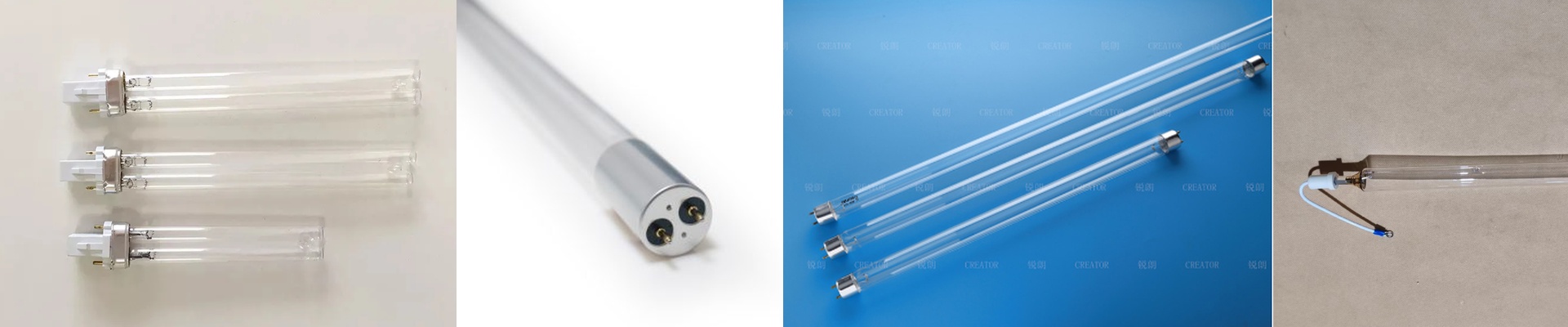
We use high-purity fused silica so the glass doesn’t cloud over or “solarize” as it ages. It keeps the light clean. But there’s a catch. When we push for that extreme energy concentration, the electrodes take a hit. It’s a bit of a balancing act: the more we optimize the cure, the more stress we put on the bulb’s lifespan. This is why your cooling blowers are so important. If your airflow dips, the quartz gets too hot, the spectral peak shifts, and suddenly your consistency is gone. Keep them clean. Keep them running.
Real-World Setup
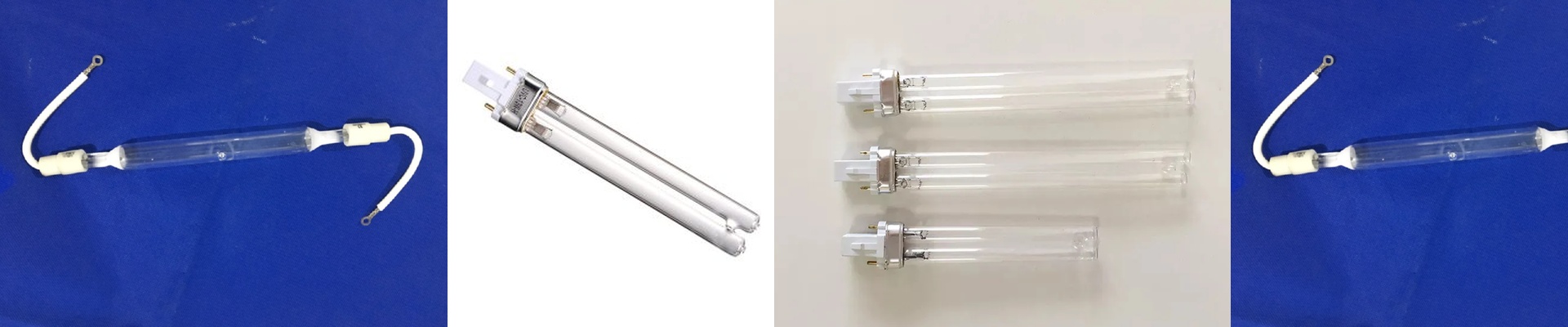
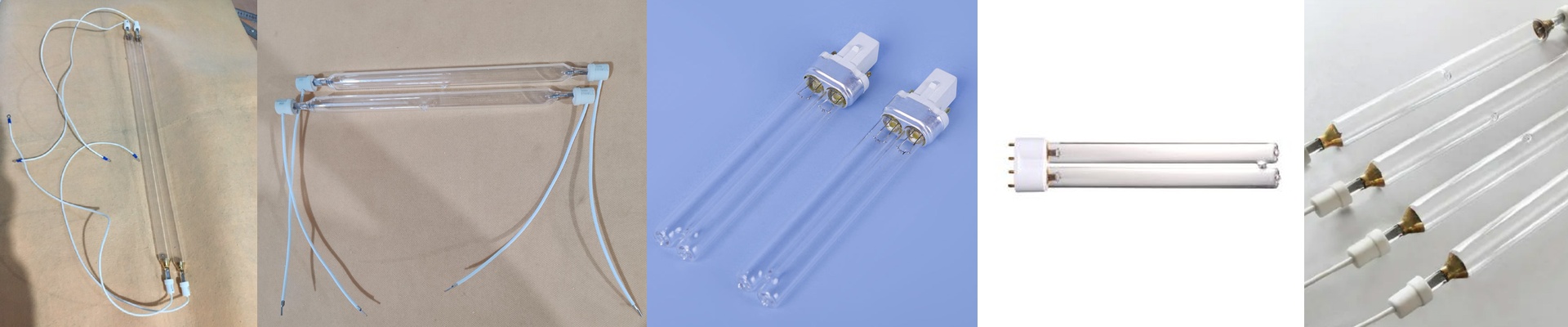
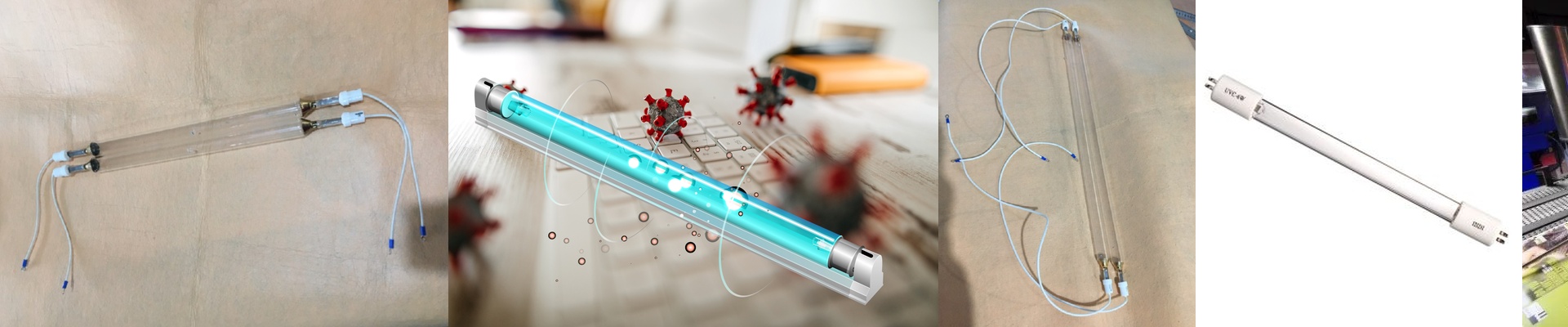
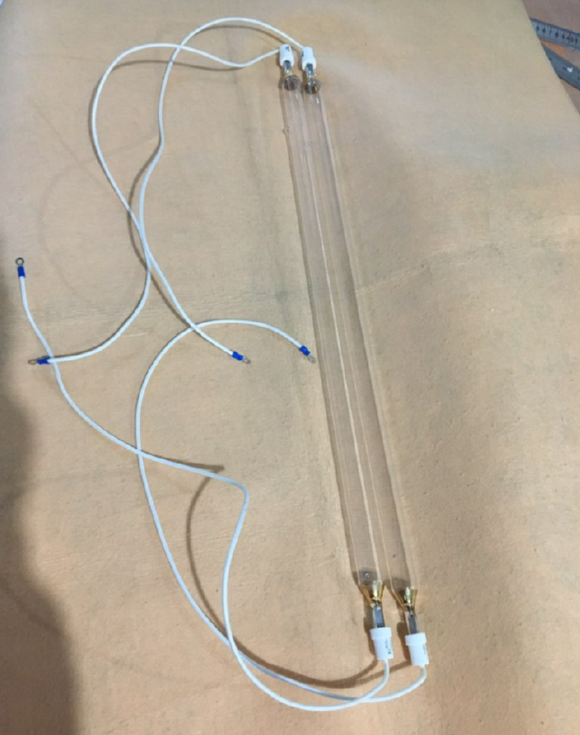
These bulbs are simple drop-in replacements. They fit right into your existing UV systems without any fuss. But here is the thing… the glass is only half the battle. Your power supply has to be steady. If you’re running “dirty” power, you’ll get a flicker. It might be subtle, but that flicker kills the spectral stability we worked so hard to build into the bulb. Get your power clean, keep your fans blowing, and the rest just works.